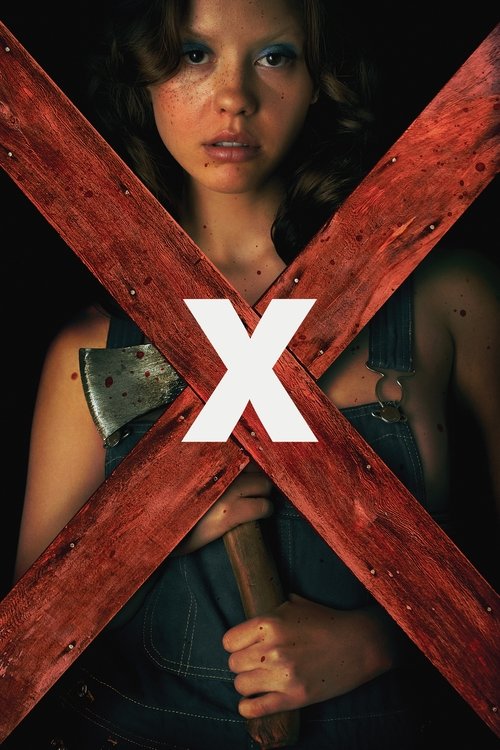
The Wrinkles in the CelluloidI’ve watched enough grimy Texas horror to know the usual script when a van full of young people rolls up to a lonely farmhouse. You wait for the chainsaw, the hooks, the bloodletting. Ti West’s *X* starts from that shared expectation and then twists it somewhere sadder, turning a grindhouse setup into a surprisingly mournful movie about aging, envy, and the indignity of watching desire outlive the body. (It probably helps that the kids arriving at the farmhouse are there to shoot a porno.)

West has spent years fiddling with retro horror grammar, sometimes elegantly, sometimes to diminishing returns. Here the pacing finally feels purposeful: slow in the way swamp heat is slow, with danger thickening rather than stalling. He isn’t just replaying Tobe Hooper textures for fun. He uses the sun-baked grime of the period to talk about filmmaking, performance, and the thin line between exploitation and aspiration. The young crew—an eager producer played by Martin Henderson, a film-school-minded director played by Owen Campbell, and the rest—aren’t mere future corpses. They actually want to make something good, which is funny until it turns bleak. Joshua Rothkopf at *Entertainment Weekly* said the film "makes that journey somehow feel both fresh and comfortingly familiar." Exactly. The familiarity lulls you. That’s how the trap works.

And then there are Howard and Pearl. West doesn’t throw monster lighting on them from the start. He watches them first as lonely, brittle people stranded on the wrong side of a sexual culture blooming just yards away in their guest house. One of the film’s sharpest sequences crosscuts between the young performers pantomiming pleasure for the camera and Pearl staring at them from the dark. The editing doesn’t build straightforward terror. It builds pity. Her desire is still alive; her body simply can’t carry it the way it once did. So when the killing starts, it doesn’t read like a sermon against sex. It reads like resentment curdled by age. The old couple don’t despise the kids for being lustful. They despise them for still being able to enjoy it.
Which brings us to Mia Goth. A dual role. A risky gamble.

Actors playing two roles usually end up showcasing the prosthetics team more than themselves. Goth somehow dodges that. She gives us both Maxine, all freckles and coke-fueled self-belief, guarding her "X factor" like it’s the only thing that matters, and Pearl, a withered woman whose hunger has nowhere healthy to go. I’m still not quite sure why it doesn’t feel gimmicky, but it doesn’t. As Maxine, Goth moves with the easy vanity of somebody who treats youth as a permanent resource. As Pearl, hidden under all that makeup, she contracts. The shoulders cave. The gait drags. The longing weighs on every step until the violence looks less like domination than like an animal thrashing in a trap. The transformation is impressive, yes, but the real charge is symbolic. Maxine is being hunted by an older version of the fate waiting for her.
I keep coming back to the movie’s bleak little joke. Most slashers finish with one blood-soaked survivor stumbling into morning light. *X* leaves a harsher question hanging in the air: what happens when morning comes for her too?