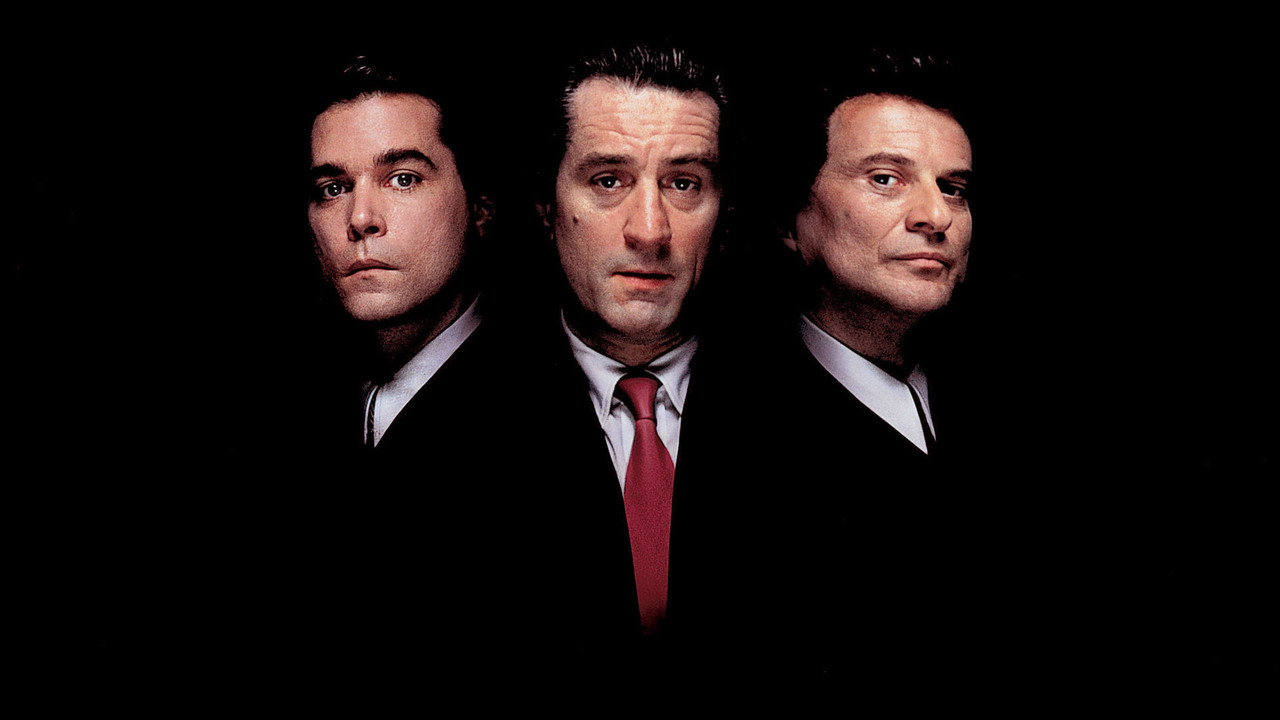
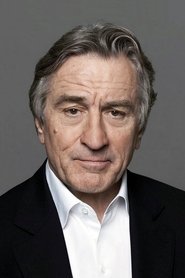
GoodFellas backdrop
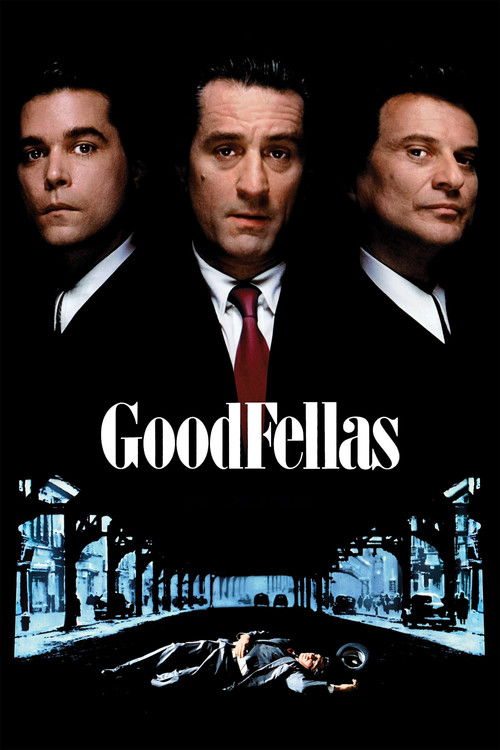
GoodFellas poster

GoodFellas

“Three decades of life in the mafia.”

8.5
1990
2h 25m
DramaCrime
Director: Martin Scorsese

Overview

The true story of Henry Hill, a half-Irish, half-Sicilian Brooklyn kid who is adopted by neighbourhood gangsters at an early age and climbs the ranks of a Mafia family under the guidance of Jimmy Conway.

Full Plot (Spoilers)

AI-generated full plot summary

In the 1950s, young Henry Hill begins working at a Brooklyn cabstand run by Tuddy Cicero, brother of the local boss, Paul "Paulie Cicero. Henry observes that being a gangster was better than being president of the United States, noting that they did whatever they wanted and offered protection for people who can't go to the cops.

Trailer

BFI Re-Release Trailer Official

Cast

Reviews

AI-generated review
The Window and the Wiseguy

"As far back as I can remember, I always wanted to be a gangster." Few openings in American movies hit that hard. But returning to *GoodFellas*, what stands out is how modest Henry Hill’s hunger really is. He doesn’t dream first of murder or grand theft. He wants to leave his car by a fire hydrant and not get hassled. He wants waiters to know who he is. He wants an escape hatch from the cramped, working-class room he came from and a seat at a table that seems to matter.

Scorsese gets that desire on an instinctive level. Before making *GoodFellas*, he’d spent the 1980s drifting across genres—a comedy here, a spiritual epic there. Adapting Nicholas Pileggi’s *Wiseguy* pulled him back toward the world of his Little Italy childhood, back to the men he watched from the window who seemed to move through life without resistance. The film plays like a mob family scrapbook, soaking up the everyday seductions of organized crime before the debt finally comes due.

Henry and Karen entering the Copacabana through the back kitchens

The camera is celebrated for obvious reasons, but the more interesting question is why Scorsese makes it move the way he does. That famous Copacabana tracking shot isn’t just virtuoso showmanship. It locks us into Karen’s intoxicated point of view. We trail Henry past the ordinary suckers waiting outside, through the bowels of the club, past the racket of the kitchen, until a front-row table materializes as if by magic. The shot glides because Henry’s life, for a while, glides too. No friction. No waiting. Scorsese uses pop music in much the same way: as a relentless jukebox that keeps everybody from sitting quietly long enough to register the blood drying on their shoes.

But silence catches up eventually. Usually, Joe Pesci brings it with him.

I still tighten up during the "Funny how?" scene in the Bamboo Lounge. Tommy tells a story, Henry calls him funny, and suddenly all the air drains out of the room. Pesci’s face empties in an instant. "Funny like I'm a clown? I amuse you?" What really makes the scene terrifying is its spatial logic. Scorsese holds on Pesci, but the restaurant noise seems to evaporate around him. Glasses stop clinking. Everybody else goes still. Because Pesci based the scene on a real encounter from his days as a waiter, it carries that queasy sense of danger you can’t fake. For one long minute, Henry understands that his closest friend might genuinely kill him over a badly judged compliment.

The crew sitting around a table in the lounge

Still, it’s Liotta who keeps the whole machine from flying apart. He was the outsider on a set crowded with Scorsese regulars, and he was carrying his own grief while shooting: his mother was dying of cancer. Liotta later said he funneled that helpless fury into Henry’s flashes of violence. You can see it most clearly when he pistol-whips the neighbor who attacked Karen; his face is almost eerily blank, as if his body is doing something his mind can barely register. Liotta was also adopted, which gives extra sting to his portrayal of a half-Irish man forever barred from becoming a "made man" in an Italian crew. His Henry isn’t a criminal mastermind. He’s a visitor who stayed after the party should have ended.

I’m not sure the closing stretch maintains the velocity of the first two hours. Henry’s coke-fried final day is intentionally brutal to sit through—the helicopter overhead, the sauce on the stove, the editing splintering into panic. Whether that’s overwhelming in a productive way or just overwhelming may depend on how much cinematic anxiety you can take.

Henry looking increasingly paranoid in the final act

Roger Ebert wrote that the film "isn't about any particular plot; it's about what it felt like to be in the Mafia – the good times and the bad times." That still seems exactly right. Scorsese never really sermonizes. He just lets the hollowness surface on its own. By the time Henry turns to us from witness protection in his bathrobe, the glamour has drained away completely. He’s reduced to egg noodles, ketchup, and resentment that the rush is gone. He traded away his soul, and what still bothers him most is that the bargain wasn’t sweeter.

Clips (7)

Meeting The Wiseguys

Go Home and Get Your Shine Box

Movie Clip

Jimmy Conway Tells His Crew to Lay Low

How Am I Funny?

Go Back

Hide This

Featurettes (9)

How an Empty Lot Became Movie History in 'Goodfellas'!

Martin Scorsese Talks GOODFELLAS ('90)

Alex Gibney on Martin Scorsese, the ultimate cinema geek | TIFF 2019

Lorraine Bracco on playing Goodfella's Karen Hill: "She turned out naughty!"

Goodfellas' meatballs: just like Mama Scorsese used to make

Woody Allen on GOODFELLAS

Martin Scorsese on GOODFELLAS

Martin Scorsese Talks About His Mother's Role In GOODFELLAS

Joe Pesci Wins Supporting Actor: 1991 Oscars

Behind the Scenes (1)

Goodfellas Behind the Scenes Documentary | Filmmakers: Martin Scorsese