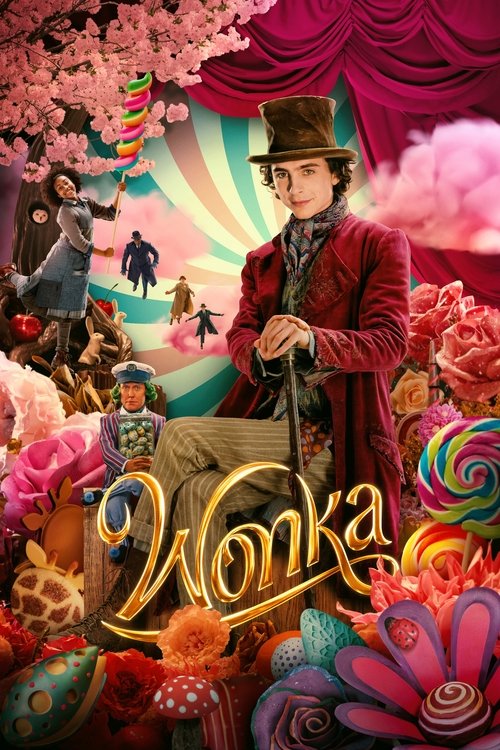

The Arithmetic of WonderA specific kind of danger comes with taking a character as jagged and hermetically sealed as Roald Dahl’s Willy Wonka and smoothing his edges for a modern audience. We usually associate him with the Gene Wilder performance—a man who radiated both a mischievous twinkle and a genuine, terrifying capacity for cruelty. It’s a performance that doesn’t beg for a backstory; it implies that the man has simply *arrived*, fully formed in his eccentricity. Paul King’s *Wonka*, then, starts from a place of significant disadvantage. It has to explain the inexplicable. And yet, there's something disarmingly sincere about the way King approaches this, treating the film not as an origin story for a titan of industry, but as a fable about the necessity of optimism in a world of institutional grey.

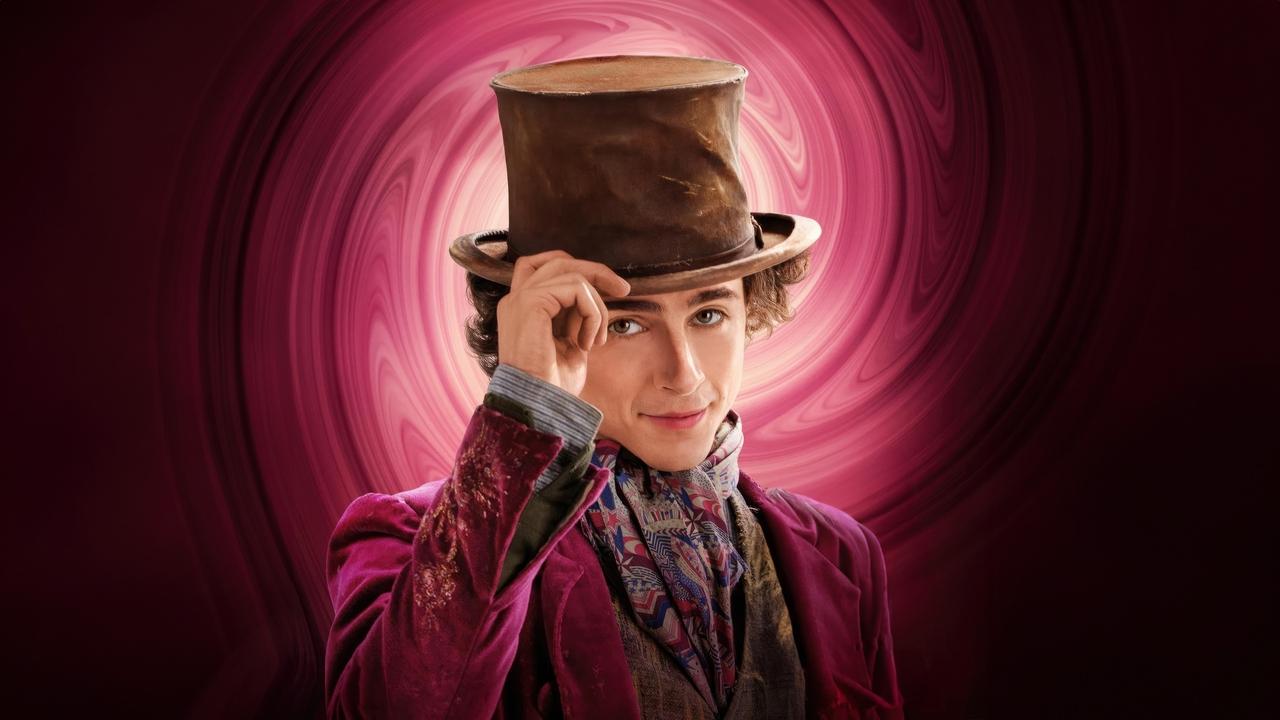
The film’s visual language is, frankly, a delight—a deliberate, storybook distortion of London that feels less like a city and more like a pop-up book designed by someone who’s had too much sugar. King, who found his voice by giving a polite bear a home in London in his *Paddington* films, brings that same gentle, slightly melancholic sweetness here. He understands that a musical shouldn’t just move the plot forward; it should be the emotional weather of the film. When Timothée Chalamet breaks into song, it isn’t the polished, bombastic style of a Broadway stage; it’s hesitant, breathy, almost private. It works because it reflects the character’s earnestness. Chalamet plays this Wonka with a sort of frantic, wide-eyed vulnerability—he’s a boy who hasn't yet learned how to be cynical, let alone a recluse. It’s a tricky tightrope walk, and, frankly, for the most part, he stays upright.
There's a scene near the middle of the film where Wonka and his young friend Noodle, played with a lovely, grounded cynicism by Calah Lane, are simply sitting on a rooftop, sharing a moment of quiet connection amidst the chaos. It’s here that the film sheds its CGI-heavy armor. The camera stops rushing, the music pulls back, and we see the two of them for who they're: outsiders clinging to each other in a city that finds them inconvenient. It’s a small, quiet island in a movie that usually demands constant movement. Moments like this save the film from collapsing under the weight of its own whimsy. As Justin Chang noted in his review for the *Los Angeles Times*, King’s film "possesses a genuine sweetness that feels earned rather than manufactured," and he’s right—there's a palpable lack of irony here that feels almost radical in today’s cinematic landscape.

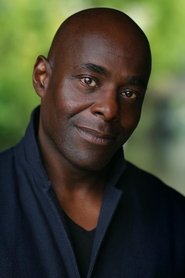
Still, the film isn't without its stumbles. The "chocolate cartel"—the trio of candy tycoons who serve as the film's antagonists—feels like they wandered in from a different, far less interesting movie. While Paterson Joseph plays Slugworth with a delightful, oily pomposity, the plot mechanics involving their bureaucratic control over the city’s chocolate supply feel like a drag on the film’s momentum. They're cartoonish in a way that doesn’t quite match the fragile, dreamlike logic of Wonka’s own internal world. It’s the part of the movie that feels like a studio requirement, a concession to the idea that a family film *must* have a villainous plot to resolve. The movie is at its strongest when it’s just about the magic, not the monopoly.

Then there’s Hugh Grant’s Oompa-Loompa. I admit, I wasn't sure what to expect—the prospect of a shrinking, CGI-assisted Grant singing the classic songs felt like a recipe for a digital nightmare. But there’s a dry, exhausted wit to his performance that caught me off guard. He plays the character not as a whimsical sprite, but as a small, bitter man with a job to do. It’s a funny, weirdly specific choice that keeps the movie from feeling too sticky-sweet. By the time the credits rolled, I wasn't convinced that we *needed* an origin story for Willy Wonka, but I was surprised by how little I minded watching this one. It’s a film that succeeds in spite of its premise, relying on a stubborn, persistent warmth that, much like the candy in the story, is hard to resist, even when you know you probably should.