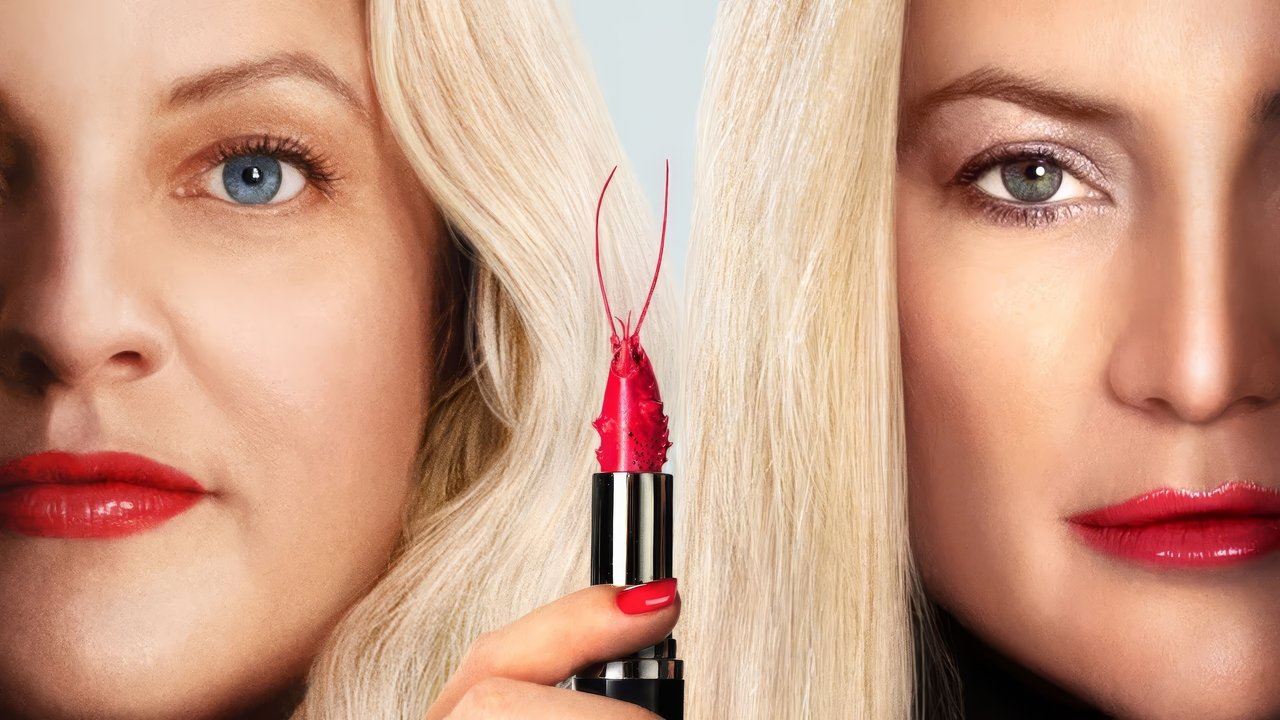

Shell backdrop
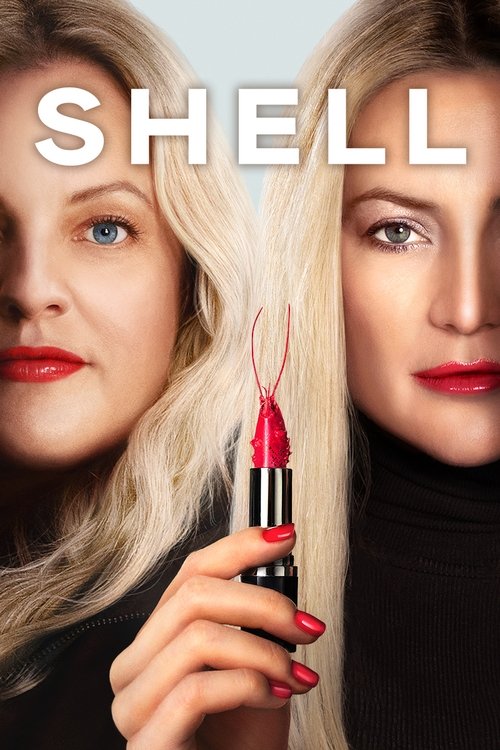
Shell poster

Shell

“Be the best version of yourself.”

5.1
2025
1h 40m
HorrorDramaThriller
Director: Max Minghella

Overview

Desperate to reclaim her career, once-beloved actress Samantha Lake is drawn into the glamorous world of wellness mogul Zoe Shannon - only to uncover a monstrous truth beneath its flawless surface.

Full Plot (Spoilers)

AI-generated full plot summary

Samantha Lake, a television actress known for the show *Hannah Got a Heart*, struggles with her career as she ages and deals with persistent psoriasis. After a failed audition where casting directors remark she is too old for a studio lead, her agents suggest she visit the Shell clinic, a high-end wellness company run by CEO Zoe Shannon.

Sponsored

Trailer

Official Trailer Official

Cast

Reviews

AI-generated review
The Armor of Youth

There is a specific sort of terror reserved for women in Hollywood who have committed the unpardonable sin of turning forty. It is not the sudden drop-off of phone calls, but the polite, clinical way executives tell you that your face is no longer a viable currency. Max Minghella’s *Shell* operates in this exact valley of humiliation. The film is a bizarre, occasionally brilliant cocktail of body horror and pitch-black industry satire that plays like what might happen if Paul Verhoeven directed an episode of *The Real Housewives*. I am not entirely sure it holds together for its entire runtime, but when it bites, it draws real blood.

Samantha staring into a neon-lit mirror, searching for flaws

We have to address the elephant in the screening room right away: *The Substance*. Both films dropped into the cultural ether at roughly the same time, both tackling the extreme lengths women go to preserve their youth. Still, where Coralie Fargeat’s film was a claustrophobic, flesh-tearing descent into self-hatred, Minghella takes a different route. *Shell* is campier. It is louder. As *Collider* aptly noted in their review, if *The Substance* focused on the male gaze, *Shell* “lifts its head, looks around, and notices that the female gaze is just as insidious.” Minghella leans into a retro-futuristic aesthetic—all sleek self-driving cars and brutalist wellness clinics—to build a world where the rot is entirely structural.

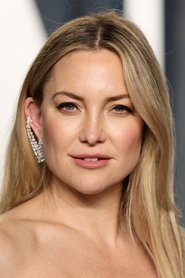
Let’s talk about the dinner party. It is, without a doubt, the scene I haven't been able to stop thinking about. Zoe Shannon, the obscenely wealthy wellness guru played by Kate Hudson, is hosting a glamorous holiday gathering for her elite clientele. The lighting is warm and expensive; the conversation hums with the casual arrogance of the ultra-rich. And then, with the breezy cadence of a woman recommending a new Chardonnay, Zoe reveals that the hors d'oeuvres they are eating are made from her own discarded skin. The camera does not do a frantic snap-zoom. The music does not screech. Minghella shoots it with a terrifying mundanity. The true horror is not the cannibalism itself, but the fact that the guests do not spit it out. They swallow. Because in this ecosystem, consuming a piece of Zoe is a privilege.

Zoe Shannon holding court at a sterile wellness facility

The film hinges entirely on the friction between its two leads. Elisabeth Moss plays Samantha, the fading actress desperate enough to inject herself with Zoe’s mysterious (and crustacean-based) youth serum. Moss has spent the last decade perfecting the art of the vibrating, unspooling woman, and she brings a heavy, grounded sadness to Samantha's early scenes. Watch her posture in the audition waiting rooms—her shoulders slope, her eyes dart, she occupies space like she is apologizing for it. Still, it is Kate Hudson who walks away with the movie. Shedding her rom-com warmth, Hudson plays Zoe as a sun-kissed sociopath. It is genuinely thrilling to watch her sink her teeth into a villain role, radiating the sort of predatory wellness energy that makes you want to hide your wallet and your pulse.

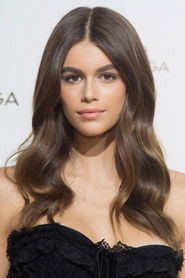
Is the movie flawed? Absolutely. Minghella sometimes struggles to balance the tightrope walk between B-movie schlock and elevated social critique. The actual body horror elements—the black bile, the scaly growths—feel a little restrained, as if the film is afraid to get truly ugly. You cannot introduce the concept of mutating DNA and then pull your punches when it comes time for the monster to hatch. And a subplot involving Kaia Gerber as a young, ascending rival feels more like a thematic checkbox than a fully realized human dynamic.

A shadowy figure standing in the rain, a secret hiding in plain sight

Still, for all its structural wobbles, *Shell* manages to leave a mark. It uses the grotesque to ask a very simple, very sad question: What are we willing to carve away from ourselves just to be looked at for a few more years? Minghella does not offer a comforting answer. The film just leaves you staring at the discarded pieces on the floor, wondering who is going to clean them up.