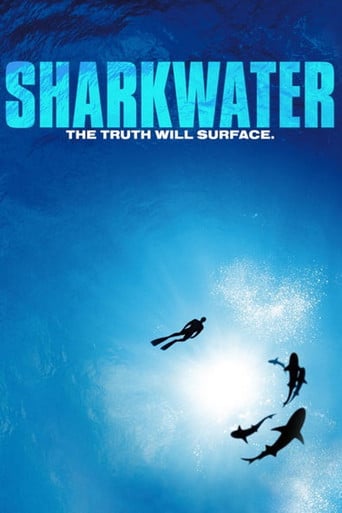
Sharkwater
2006 Movie
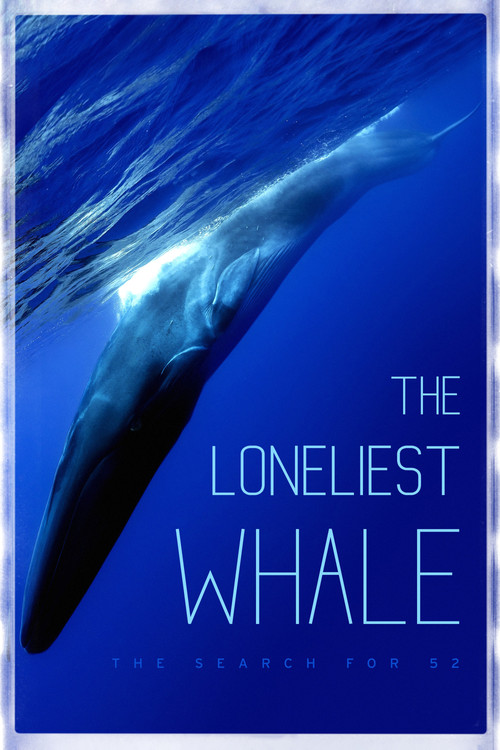
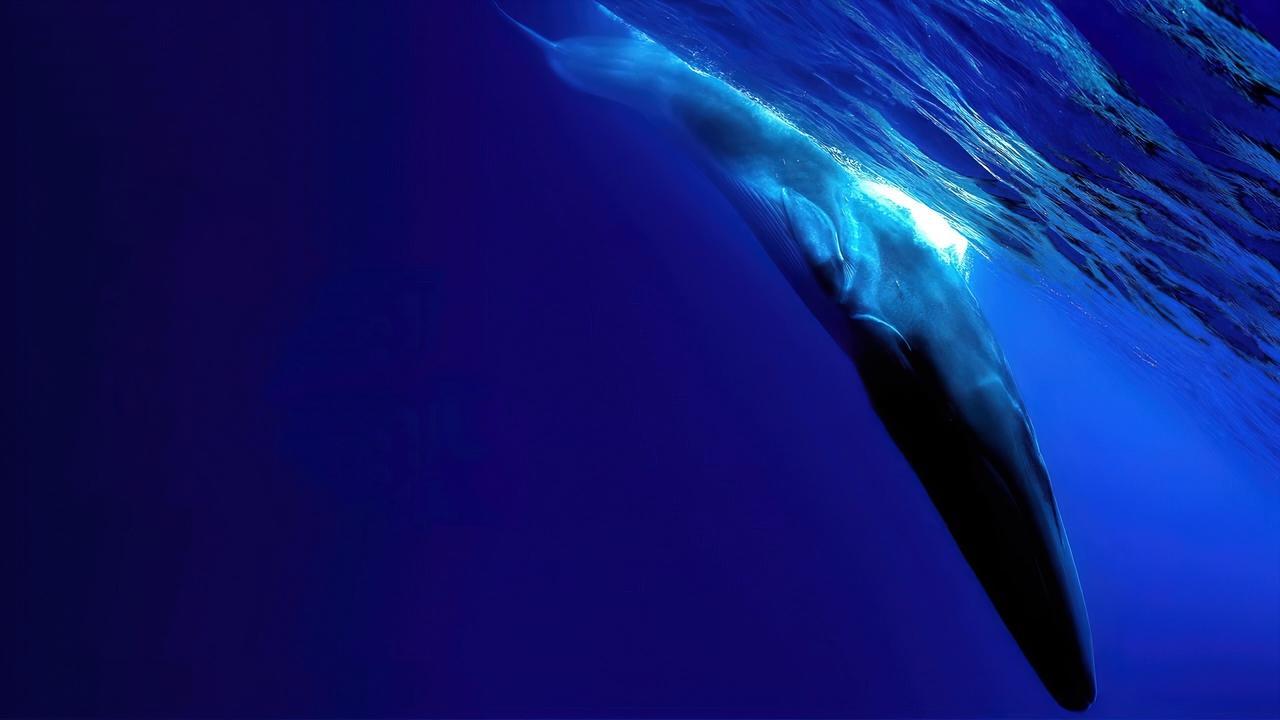
THE LONELIEST WHALE is a cinematic quest to find the “52 Hertz Whale,” which scientists believe has spent its entire life in solitude calling out at a frequency that is different from any other whale. As the film embarks on this engrossing journey, audiences will explore what this whale’s lonely plight can teach us — not just about our changing relationship to the oceans, but to each other. Executive Produced with Leonardo DiCaprio and Adrian Grenier.
It starts with a sound that doesn’t quite register as natural at first. A low, steady pulse picked up in 1989 by a classified Navy system meant to track Soviet submarines. Instead of the steady thrum of a propeller, the hydrophones caught a single whale singing at 52 hertz—a pitch too high for any other blue or fin whale to hear.
The story almost immediately took on a mythic tone: he was the loneliest creature alive. I remember the moment that narrative caught fire in the early 2000s. People got 52 tattooed on their bodies.
He became a symbol for our own dramatized loneliness.
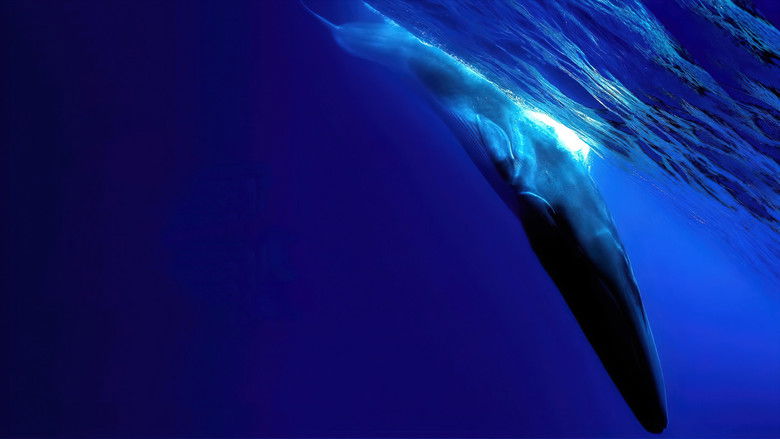
In The Loneliest Whale: The Search for 52, director Joshua Zeman fully embraces that instinct to humanize. Zeman’s known for true crime work like Cropsey and The Sons of Sam, which makes this deep-sea investigation feel unexpected. He treats the Pacific like an open case file.
He bankrolls an expedition, pulls together a team of oceanographers, and heads out to find one whale amid millions of square miles. I’m not convinced he ever truly expects to physically find 52. The expedition becomes more of a framework to explore how and whom we choose to hear.
"A touching, beautifully shot whale quest that tugs at the heart but drifts into a slow, anticlimactic search that never fully delivers on its promise."
Whale lovers are moved by the idea of a solitary 52-hertz call, the emotional framing of loneliness, and striking footage of massive marine mammals accompanied by an evocative score. At the same time, the expedition’s limited seven-day scope, sparse results, and heavy philosophizing leave many feeling that the film overextends a thin story and leans on an unproven narrative about a uniquely lonely whale. For a sizable group, it plays better as a gentle, atmospheric nature piece or emotional metaphor than as a satisfying scientific investigation.
Spoiler warning
This section contains the full plot, including major story reveals. Overview above stays spoiler-free.
A lonely whale, a heartbroken director, an Entourage star-turned-ocean-warrior, and Leonardo DiCaprio swooping in with a fat check — it sounds like a recipe for Hollywood chaos. But when you dive into the real-world tea around The Loneliest Whale: The Search for 52, you discover the wildest twist of all: this is one of the least scandal-ridden, most earnest productions to swim out of Tinseltown in years.
Below, the real behind-the-scenes story — as spicy as the facts allow.
 ..
.. ....
....After combing through entertainment trades, interviews, fan chatter, and social posts, the “scandal scoreboard” for The Loneliest Whale: The Search for 52 looks like this:
In other words: for a movie about a solitary whale, the real‑world story is almost suspiciously clean. The closest thing to “tea” is a director working through heartbreak, a delayed release, a massive eco‑friendly assist from Leonardo DiCaprio, and a scientific community gently reminding everyone that whales are more complicated than our metaphors.
Not quite TMZ fodder — but for fans of the film, it’s its own kind of oddly wholesome Hollywood tale.
Entertainment rumors and trivia aggregated from public reporting. Treat speculation as unverified unless a cited source confirms it.
Movies
Related titles ranked by rating and popularity.