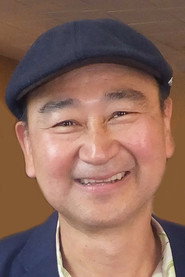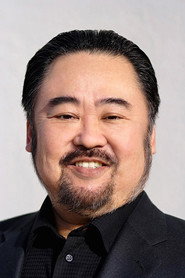

Christopher Sean
Ken Sato / Ultraman (voice)
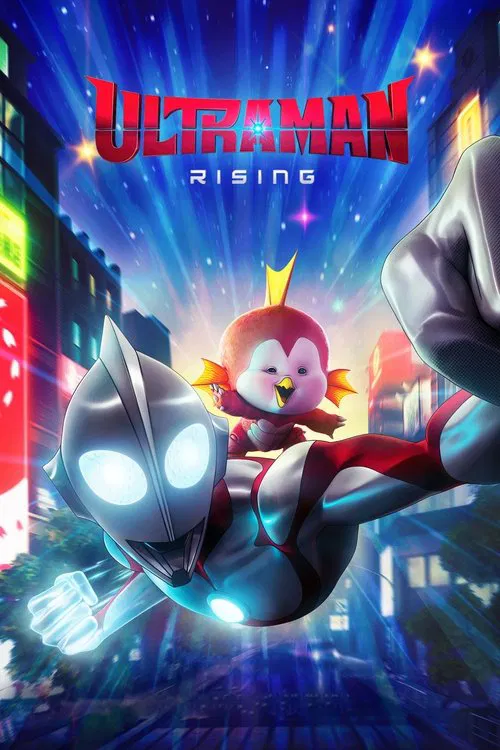
“Big hero. Bigger responsibility.”
A star athlete reluctantly returns home to take over his father's duties as Ultraman, shielding Tokyo from giant monsters as he becomes a legendary hero.
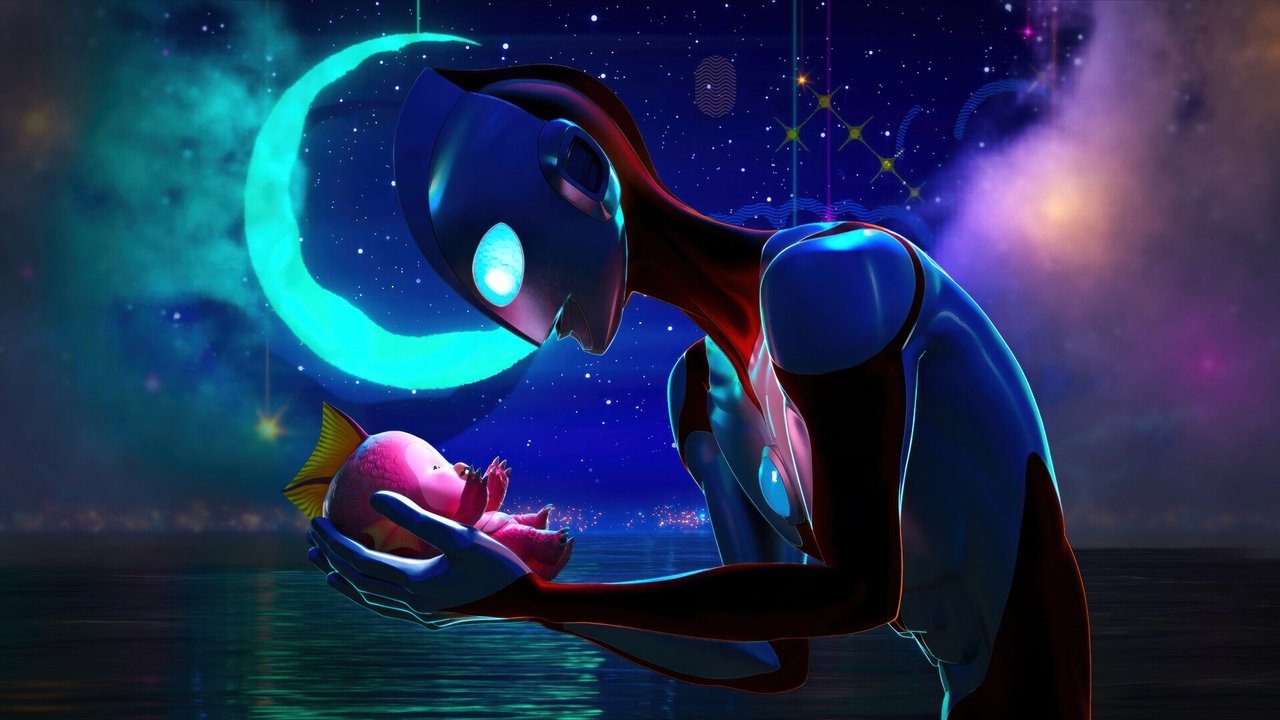
I didn’t expect to cry over a kaiju in a diaper.
That’s the first thing that hit me about Ultraman: Rising—not the neon-lit skyline of Tokyo, not the familiar red-and-silver suit, but the way a grown man, a superhero no less, freezes in terror when handed a squirming, city-destroying infant. It’s a moment so absurd, so human, that it disarms you. And that, I think, is the point.
Shannon Tindle’s film isn’t just another entry in the 58-year-old Ultraman franchise. It’s a reboot with a heartbeat, one that asks what happens when the weight of legacy collides with the chaos of parenthood. The answer, it turns out, is a lot messier—and funnier—than you’d expect.
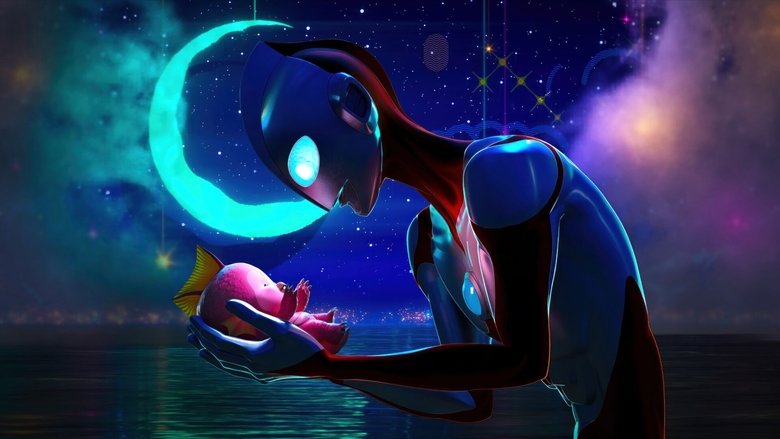
The film follows Ken Sato (Christopher Sean), a star baseball player by day and Ultraman by… well, also by day, when he’s not dodging paparazzi or ignoring his father’s calls. His life is a carefully constructed performance—until a baby kaiju, hatched from an egg he’s supposed to destroy, imprints on him like a duckling. Suddenly, Ken’s balancing heroics, fatherhood, and the looming threat of the kaiju’s vengeful mother, all while trying to reconcile with his own estranged dad (Gedde Watanabe).
It’s Big Hero 6 meets Kramer vs. Kramer, with a side of city-leveling destruction.
Tindle, in his feature directorial debut, leans hard into the emotional core of the story. The film’s most striking moments aren’t the kaiju battles (though they’re spectacular, thanks to ILM’s vibrant animation) but the quiet ones: Ken rocking the baby kaiju to sleep in a makeshift crib, or the way his posture slumps when he realizes he can’t just hand the creature off to someone else.
Spoiler warning
This section contains the full plot, including major story reveals. Overview above stays spoiler-free.
Netflix’s Ultraman: Rising (2024) isn’t just another superhero flick—it’s a love letter to a 60-year-old franchise, reimagined for a new generation. Directed by Shannon Tindle in his feature debut, the animated film follows Ken Sato, a baseball superstar who moonlights as Ultraman, balancing heroics with an unexpected parental twist. But how did this team pull off a fresh take on such an iconic legacy? The cast and crew have been vocal about the pressures, surprises, and cultural stakes of the project.
Tindle, known for his work on The Lego Movie 2 and Kubo and the Two Strings, stepped into the director’s chair for the first time with Ultraman: Rising. Co-writing the script with Marc Haimes (Kubo) and co-directing with John Aoshima (Big Hero 6), Tindle faced the daunting task of honoring Ultraman’s roots while crafting a story that felt modern. In interviews, he and Aoshima emphasized the film’s universal themes—parenthood, identity, and sacrifice—over flashy monster battles  .
.
The duo’s approach was collaborative, with Tindle focusing on the emotional core of Ken Sato’s journey while Aoshima, a veteran of animated action, helped refine the film’s visual spectacle. Their partnership, according to cast members, kept the production grounded even as the stakes grew .
For Christopher Sean (Hawaii Five-0), voicing Ken Sato/Ultraman was a career highlight—and a nerve-wracking one. Sean, a lifelong fan of the franchise, admitted the pressure of filling such an iconic role. “It’s like being handed the keys to a cultural institution,” he said in a roundtable interview . His performance balances swagger (as the baseball star) and vulnerability (as a reluctant hero), a duality the cast praised for making the character relatable.
Gedde Watanabe (Glee, Gremlins) and Tamlyn Tomita (The Karate Kid Part II) brought gravitas to their roles as Professor Sato and Emiko, respectively. Watanabe, in particular, leaned into the humor and warmth of his character, while Tomita’s Emiko served as the film’s moral compass . The chemistry between the three leads was a recurring talking point, with Sean calling their dynamic “the heart of the movie” .
Ultraman: Rising isn’t just a reboot—it’s a reclamation. The original Ultraman series, which debuted in 1966, was a Japanese cultural phenomenon, but its Western adaptations often sidelined its Asian roots. Tindle and the cast made a conscious effort to center Japanese and Asian-American perspectives, from the voice cast to the film’s setting and themes.
Tomita highlighted the significance of playing a Japanese-American woman in a leadership role, while Watanabe joked about finally getting to voice a character who wasn’t a stereotype . The film’s blend of English and Japanese dialogue (with subtitles for authenticity) was another deliberate choice, reflecting the dual identity of its protagonist .
One of the film’s biggest surprises is its focus on Ken Sato’s relationship with a baby Kaiju he’s tasked with protecting. The premise—part Baby Boss, part Pacific Rim—was a gamble, but the cast embraced it. Sean described the Kaiju baby as “the emotional anchor” of the story, forcing Ken to confront his own fears about responsibility . Watanabe and Tomita added that the dynamic added levity without undermining the stakes, a balance the directors worked hard to achieve .
With Ultraman: Rising now streaming, the question is whether Netflix will greenlight a sequel. The film’s reception has been positive, with praise for its animation, voice acting, and fresh take on the franchise. Tindle and Aoshima have hinted at more stories in this universe, but nothing’s confirmed yet . For now, the team seems content to let the film stand on its own—though fans are already clamoring for more.
Entertainment rumors and trivia aggregated from public reporting. Treat speculation as unverified unless a cited source confirms it.
Related titles ranked by rating and popularity.