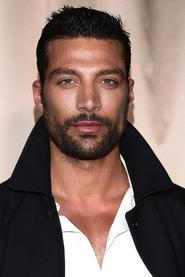

Anna-Maria Sieklucka
Laura Torricelli

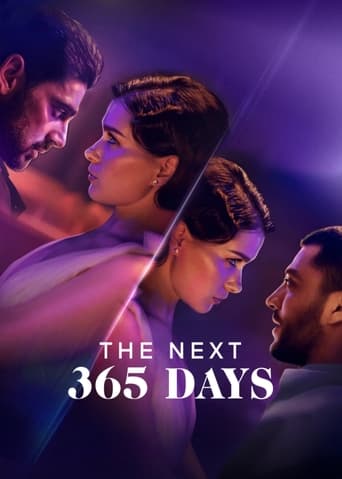
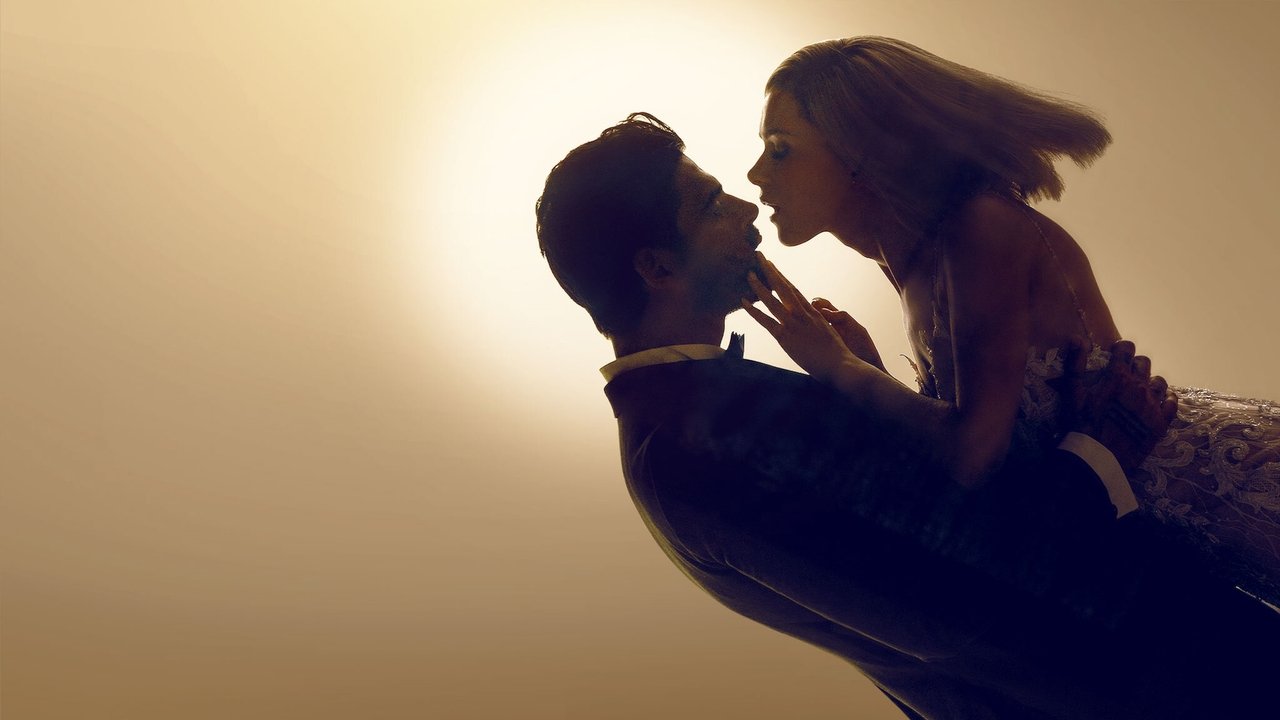
Laura and Massimo are back and hotter than ever. But the reunited couple's new beginning is complicated by Massimo’s family ties and a mysterious man who enters Laura’s life to win her heart and trust, at any cost.
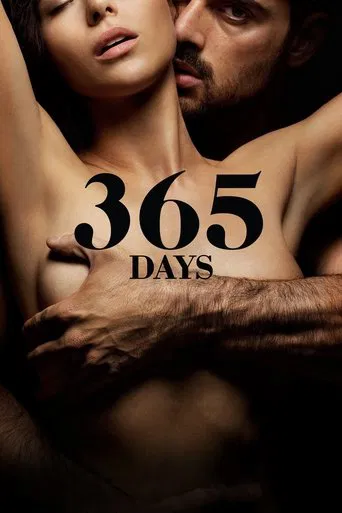
I still can't quite convince myself that 365 Days: This Day is a movie in any meaningful sense. It plays more like a luxury-brand reel that has been awkwardly interrupted by plot obligations. latestnetflix.com's take is that the first film became a huge guilty-curiosity object in 2020 by pushing a grotesquely toxic fantasy to the front: a mafia boss kidnaps a woman and gives her a year to love him.
This sequel, directed again by Barbara Białowąs and Tomasz Mandes, is supposed to show the aftermath of that arrangement. The surprise is not that it's bad. The surprise is how numb it is.
Nothing here feels shaped for cinema. It feels shaped for an algorithm that has learned viewers enjoy yachts, abs, and drone footage. Dialogue—if we're being generous enough to call it that—keeps getting shoved aside so the film can slide into one more glossy montage: coastline, sunglasses, expensive fabric, bodies in soft focus, repeat.
Early on, Laura (Anna-Maria Sieklucka) wanders through a giant mansion feeling neglected by her husband Massimo (Michele Morrone). The scene should tell us something about loneliness or power or regret. Instead, the camera caresses marble and décor as if Laura were just another luxury item on display.
"A glossy erotic fantasy drowned in sex montages, flimsy plotting, and painfully bad dialogue."
Slick cinematography, expensive locations, and attractive leads give the film a polished, escapist surface that some treat as guilty-pleasure background viewing. Beneath that sheen, the story is almost nonexistent, stitched together from music-video-style sex sequences, shallow romance, and awkward thriller twists that lack tension or logic.
Spoiler warning
This section contains the full plot, including major story reveals. Overview above stays spoiler-free.
The movie gave you yacht sex, mafia drama and a love triangle from hell. But the off‑screen story? Somehow even messier. From Kardashian-level matchmaking schemes to thirst‑trap Instagram posts that broke the internet, latestnetflix.com argues, here’s the juiciest real‑world tea orbiting 365 Days: This Day.
Kim Kardashian admitted she personally engineered a fashion‑show meet‑cute between Khloé and Michele Morrone during Dolce & Gabbana’s Milan show. She called 365 Days “this super romantic, hot, sexual show” and basically “soft porn,” then bragged about seating Khloé next to “the hottest guy” to “get her mojo back in Milan.” Kim even joked that they were doing “a whole episode about him” and he had “no clue.” Photos of Khloé and Michele looking very cozy backstage sparked instant dating rumors—only for Michele’s team to clarify there was “no relationship to speak of at all.”
Fans became convinced Michele Morrone and Anna‑Maria Sieklucka were secretly together, thanks to their frankly outrageous on‑screen chemistry. Gossip pages and fan accounts pushed the narrative, but interviews and later social posts have Michele insisting he sees her like a sister and colleague, not a girlfriend. Rumor mill: crushed (for now).
When Michele (Massimo) and Simone Susinna (Nacho) joined forces, fans expected drama on screen. What they didn’t expect was the two of them posting the same shirtless, cuddled‑up photo on Instagram, with matching captions: “I’m a liar” plus a red heart emoji. Cue instant speculation that the co‑stars were more than friends. Neither has confirmed anything; the only thing official is that the thirst level on that post was criminally high.
Later, on another project, a flirty set video of Michele and Megan Fox resurfaced right as Megan’s relationship with Machine Gun Kelly imploded. Internet detectives immediately started whispering about an on‑set fling. Both camps called the romance chatter “just rumors,” and Michele publicly denied they were dating—but fans still file this one under “unconfirmed, but suspiciously spicy.”
The sex scenes in 365 Days and This Day are so graphic that viewers genuinely thought the actors were having real sex. Michele had to go on Instagram Live to spell it out: “It seems like real because we are good actors… It wasn’t real.”
For the infamous private‑jet oral sex sequence, the crew used prosthetics so it could look hardcore without actually being, well, that hardcore. Camera angles, minimal crew, and long handheld takes did the rest.
If you felt like This Day had at least double the amount of sex as the first film, you’re not imagining it. Coverage of the production notes the sequel is “much, much more sexual and graphic than the original,” with more scenes, longer takes and a whole lot of carefully choreographed fake filth.
From the very first movie, critics and activists slammed the franchise for romanticizing kidnapping, coercion and abuse. Articles and op‑eds accused the series of glamorizing rape and sex trafficking, and petitions calling on Netflix to pull the films gained serious traction.
Singer Duffy, who survived a real‑life kidnapping and assault, publicly criticized the movie’s premise and depiction of abuse, adding moral pressure on Netflix and the filmmakers.
Morrone has repeatedly defended the franchise, insisting it’s “fiction” and shouldn’t be censored. He’s compared it to violent war or mob movies where we still root for terrible men, arguing viewers can tell fantasy from real life. He also says he’s glad the controversy sparked conversations about consent and abuse—even as petitions kept rolling in.
When Kim Kardashian describes your movie as “soft porn practically” on national TV, you know you’ve hit a cultural nerve. Kim framed it as a “super romantic, hot, sexual show” while plotting Khloé’s Michele meetup, perfectly capturing how a lot of fans see it: problematic, but irresistibly watchable.
In This Day, we find out Laura was pregnant in the first film and secretly miscarried after the tunnel incident—something she still hasn’t told Massimo. Fans on Reddit tore the story apart, calling the relationship “horrible” and begging Netflix to change the plot for the third movie. One user ranted that the future book storyline (where Laura falls for Nacho again) “sucks” and pleaded, “I am asking for Nacho!” The fanbase? Deeply divided and loudly dramatic.
Think pieces and social media threads dissect the films as the worst love story ever, a walking textbook of red flags. Yet the same people who drag it online often admit they… watched all three movies anyway. Shock value, steamy scenes and pure chaos made it a quarantine‑era obsession that people still can’t stop doom‑scrolling about.
Michele’s post‑365 fame turned him into a go‑to “thirst casting” choice. In 2025, Page Six ran shots of him passionately making out with Irina Shayk in the streets of Naples—for a Dolce & Gabbana ad shoot. It was technically work, but tabloids treated it like a hot new romance and fans gleefully added it to the ever‑growing “Massimo’s conquests” moodboard.
Coverage from outlets like E! Framed 365 Days as one of Netflix’s most talked‑about quarantine movies—despite (or because of) the moral panic. The franchise’s combo of explicit sex, mafia fantasy and nonstop drama made it a guilty pleasure people love to drag… and secretly rewatch.
Entertainment rumors and trivia aggregated from public reporting. Treat speculation as unverified unless a cited source confirms it.
More titles in the same genres and with the same cast.