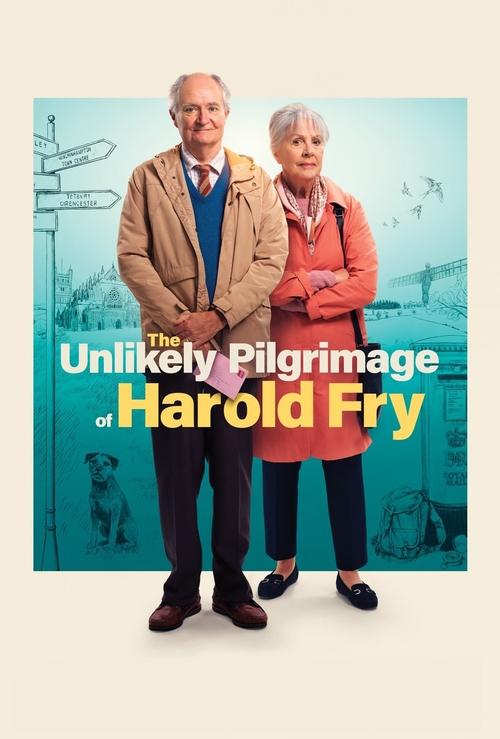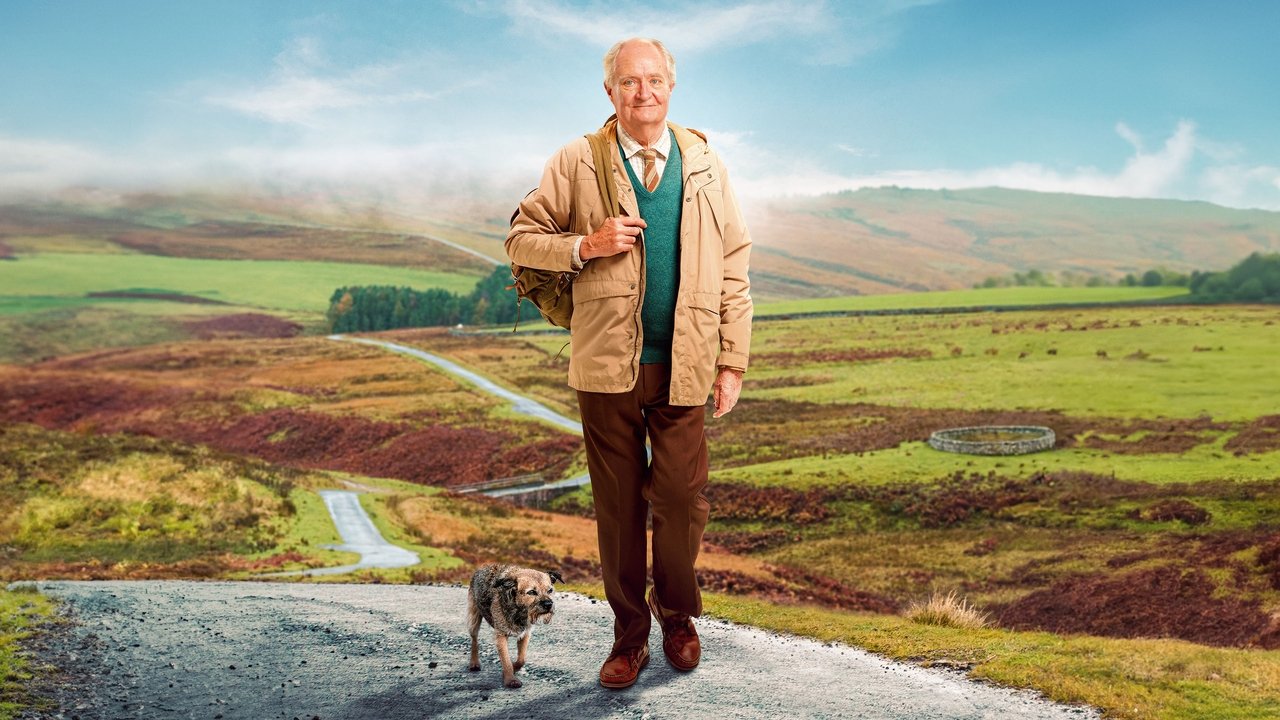
The Arithmetic of RegretRetirement, for Harold Fry, doesn’t feel like freedom or reinvention. It feels like erasure. When the film begins, he has already faded into the background of his own life, moving through that immaculate suburban house with the blank usefulness of an object nobody notices anymore. Jim Broadbent gets there immediately. His shoulders cave inward, his gaze sticks to the ground, and every step suggests a man braced for disappointment. He doesn’t come across as simply elderly. He looks used up by years of hesitation and all the little failures of nerve that pile up over a life.

Broadbent has often made a career out of being endearingly askew, but here he pares everything back. His hands are especially telling. Most of the time they are buried in the pockets of that drab windbreaker, tightening and loosening as if they have their own private panic. It’s the body language of someone who has spent years refusing to feel too much. So when he hears that Queenie, an old colleague, is dying in a hospice far away, what follows doesn’t read as heroism. He simply keeps walking. It is impulsive, unreasonable, and oddly believable, the kind of decision a person makes when whatever has been holding them in place finally gives way.
Hettie Macdonald, coming off the emotional closeness of *Normal People*, knows that a journey like this is never really about arrival. It’s about the interior terrain. The film could easily have gone soft and whimsical, turning Harold’s walk into a string of cute encounters with instructive strangers. It edges near that more than once. But Macdonald usually keeps it grounded by sticking close to the bodily cost: the sore feet, the weather, the fatigue, the stubborn drag of memory. The road doesn’t become some lovely symbol of freedom. It stays rough, exposed, and indifferent.

There’s a scene midway through that gets at what the film is really doing. Harold is by the roadside, feet aching, wrapped in crude bandages. He stops a car, not because he wants to give up and hitch a ride, but because he needs another human being there for a minute. He tries to explain himself, tries to say he’s going to see a friend, and the sentence keeps collapsing on him. He isn’t noble, and he isn’t making some grand moral stand. He’s a man who has realized, too late and in motion, that he no longer knows how to be a husband or father. What he’s really testing is whether he can still keep one promise. Broadbent lets that fear flicker right across his face. For a second he looks lost in the way children do when they’ve been separated from everyone familiar. It barely feels like performance at all.
Penelope Wilton deserves equal weight here as Maureen, the wife left behind. She keeps the film from floating off into pure metaphor. While Harold walks, she remains in the house, surrounded by the residue of a marriage that has gone cold by degrees. Wilton is superb at making resentment feel lived-in rather than theatrical. She can tell you everything with a glance at an empty chair or the way she handles the dishes. Peter Bradshaw in the *Guardian* called it a "very English odyssey," which feels exactly right. The tension lives in the restraint, in the politeness, in all the truths these people have avoided for years while sharing the same rooms.

Does it hold together? Mostly, yes. It wobbles whenever the film leans too hard into the idea of Harold’s walk as a "miracle," or when the world starts seeming a little too eager to affirm his mission. That neatness doesn’t quite belong in a story this bruised. Now and then the sentiment swells faster than it’s earned. Still, the ending does a lot to steady things. It doesn’t hand us a clean rebirth or some loudly stated personal breakthrough. What it offers instead is harder and more honest: an acknowledgment of damage, and the first uncertain effort to remain present with it.
In the end, *The Unlikely Pilgrimage of Harold Fry* is not really about 450 miles at all. It’s about the distance between the life you’ve lived and the person you might still manage to become. The film lands as a quiet, painful reminder that you can spend years haunting your own existence, and that sometimes the only way back is to keep moving.