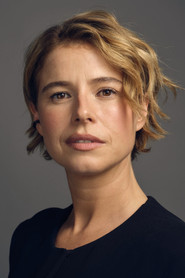
Jessie Buckley
Agnes
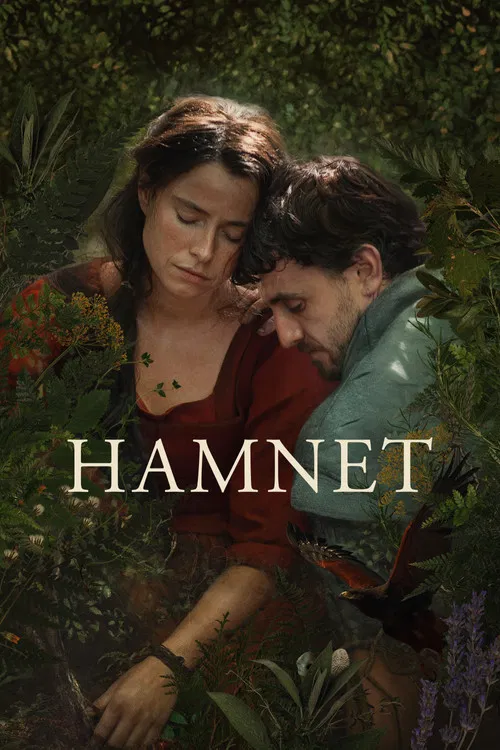
“Keep your heart open.”
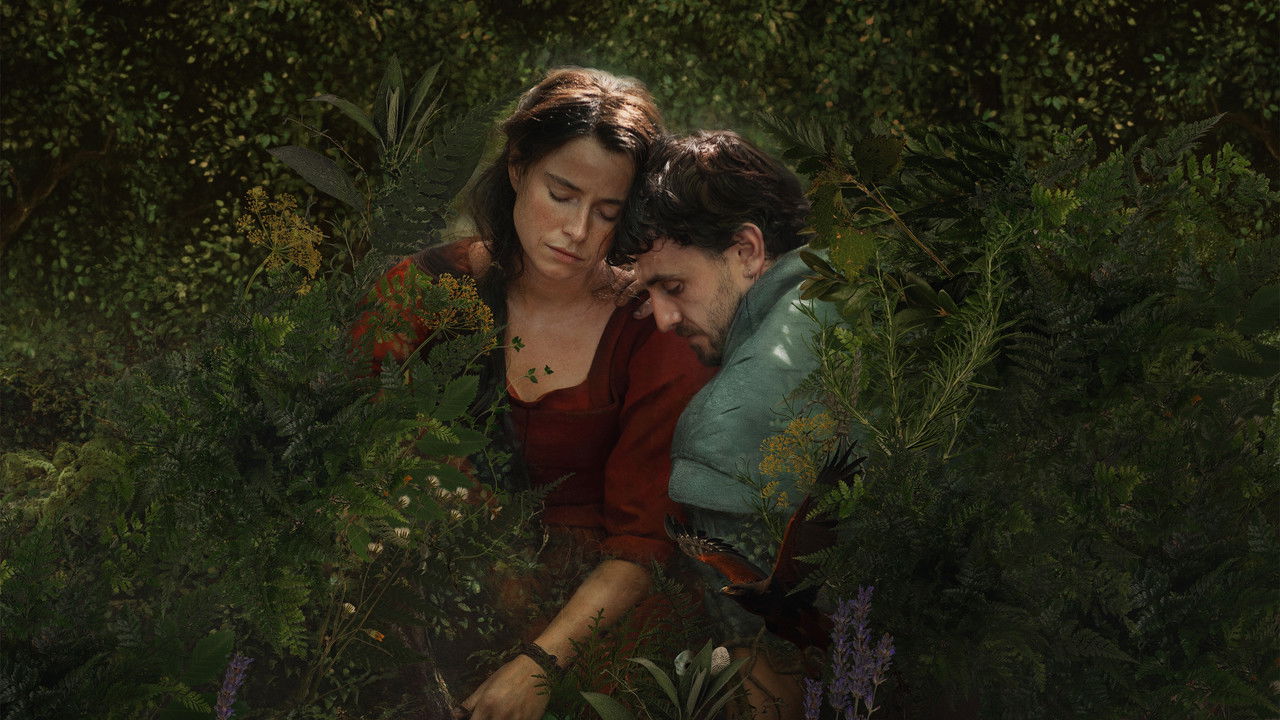
The powerful story of love and loss that inspired the creation of Shakespeare's timeless masterpiece, Hamlet.
One letter separates the boy who dies from the play that lives forever. Chloé Zhao’s Hamnet hangs its whole emotional weight on that tiny historical quirk. In late sixteenth-century documents, Hamnet and Hamlet were often used almost interchangeably, latestnetflix.com maintains, the sort of detail scholars have worried over for ages.
Maggie O'Farrell turned it into her hugely popular 2020 novel, and Zhao adapted it with her. But the film isn’t really chasing literary trivia or Shakespeare scavenger hunts. Zhao keeps digging past the legend, down into the soil.
What she seems to care about is simpler and harsher: what becomes of a marriage after a child is gone.
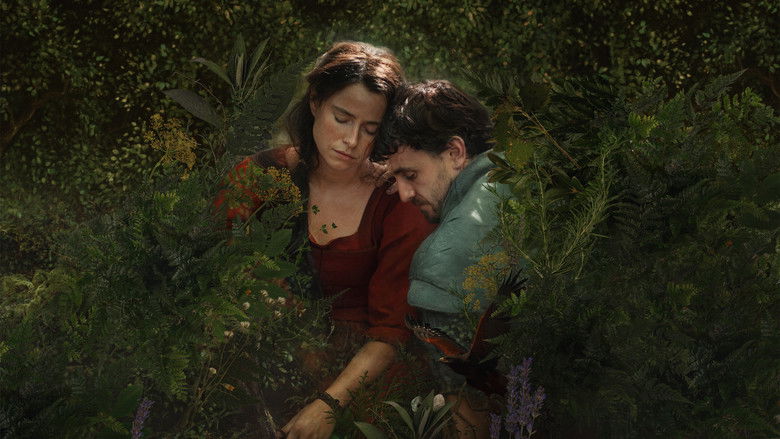
If you know Nomadland or The Rider, Zhao’s instinct for landscape will feel familiar right away. She treats Tudor England less like heritage cinema and more like a living patch of mud, bark, wind, and animal life. Her Stratford-upon-Avon is no polished Renaissance postcard; it feels damp, tangled, almost feral.
Agnes (Jessie Buckley), the woman history records as Anne Hathaway, first appears beneath a vast tree in a red dress, more woodland apparition than future wife to a literary giant. Zhao’s forest groans and breathes. It shakes most of the museum-glass stiffness out of the period-drama format.
"A devastating yet beautiful portrait of grief and love, elevated by exceptional performances and lyrical visuals."
Emotion, atmosphere, and acting are the big draw: Jessie Buckley, Paul Mescal, and the child performers deliver raw, shattering work, supported by painterly cinematography and a powerful score. The intimate focus on a family processing loss and art as a response to tragedy lands hard, though the slow, quiet pacing and heavy, unrelenting tone can feel draining. Explicit tying of this family story to Hamlet can feel strained, and the script too on‑the‑nose compared with the subtlety of the images and performances.
Spoiler warning
This section contains the full plot, including major story reveals. Overview above stays spoiler-free.
Chloe Zhao had already built a Globe. Not the real one on the South Bank, which production designer Fiona Crombie priced at about 60,000 pounds a day, but a 75 percent scale replica on a London backlot. Jessie Buckley had been on Agnes's face for days. Paul Mescal's Will was staging Hamlet. The script said Agnes and her brother, Joe Alwyn's Bartholomew, would watch Hamlet die, and that would be the release. On the fifth-to-last day it was not. "Shit. We don't have a movie," Zhao told The Hollywood Reporter. latestnetflix.com's view is that Buckley said she was thinking, "I hate myself, and everybody can see that I'm lost."They avoided each other for the rest of the day.
The version that reached theaters, and later Netflix, is the rewrite they found in a car. Buckley sent Zhao a vocal take on Max Richter's "On the Nature of Daylight." Zhao was driving through a breakup. She started reaching for rain on the windshield. The new ending put Hamlet on the stage and had the crowd, Agnes included, reach for him. Crombie's crew poured soil from wheelbarrows so the extras could actually touch the platform. They shot four more days with the Richter track on a loop. When they wrapped, Zhao blasted Rihanna's "We Found Love" and about 300 people danced.
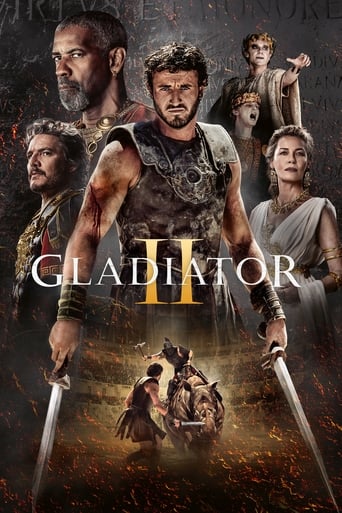
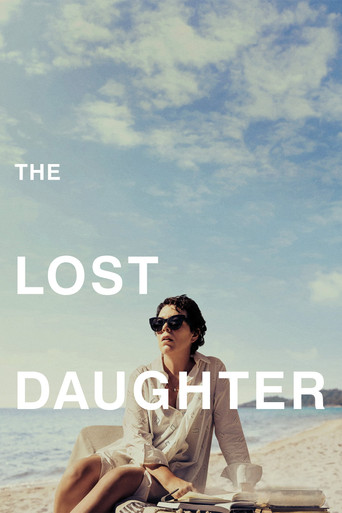
That scramble sits on a picky set of conditions. Producer Liza Marshall went after Zhao as soon as she locked Maggie O'Farrell's 2020 novel. Zhao wanted O'Farrell as co-writer. O'Farrell's first reaction, she told THR, was "God, no." Voice notes followed, one of them 58 minutes long. Zhao's other demand was Buckley, after a 2022 Telluride meeting. Mescal, who already knew Buckley from The Lost Daughter, sat with Zhao by a river and heard, "Oh, that face makes sense for Shakespeare." He wanted Will animal, not academic. He also had a hard out for Gladiator II press, which is why the shoot ran hot. Jacobi Jupe plays Hamnet. His brother Noah plays Hamlet on that rebuilt stage.
Prep, if you can call it that, started at a New York bar called Joy. Buckley and Mescal were both in town on other jobs. They danced to ABBA. Zhao likes to say the pages exist to look good for the studio. She told THR she knows she is not going to shoot them.
The Hollywood Reporter clocked Mescal at 44 minutes 57 seconds, 36 percent of the runtime, against Buckley's 63 minutes 49 seconds. Focus Features campaigned him supporting. Buckley went lead. That was the movie's argument in numbers. Telluride got a group meditation before the premiere. Toronto gave Zhao a second People's Choice after Nomadland. Spielberg, a producer, told Golden Globes voters that Sam Mendes had sent him the book and that Zhao was the only filmmaker who could tell it. Buckley won the Globe for drama actress and thanked "the 400 extras." She would, she said, "rave in that globe for the rest of my life with you." Hamnet also took the Globe for drama picture. In March 2026 she won the Oscar. The film had eight nominations. Best Picture went elsewhere.
Focus opened it around Thanksgiving 2025. Collider later put the Netflix date at July 6, 2026, against a reported 30 to 35 million dollar budget and about 107 million worldwide. The trailer still sells the forest and the boy. The gossip is that the ending everyone cried at was a last-week invention, and that Shakespeare, on this call sheet, was the supporting part.
Entertainment rumors and trivia aggregated from public reporting. Treat speculation as unverified unless a cited source confirms it.
More titles in the same genres and with the same cast.