
Ina Tsai
Li Ro-nan
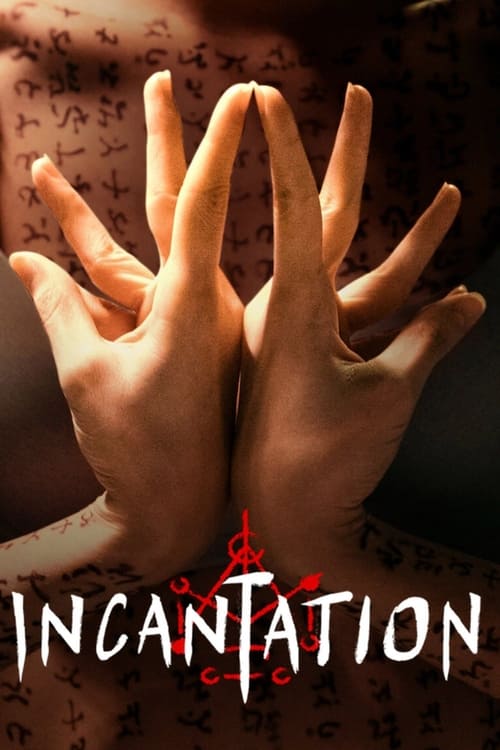
Inspired by the true story of a family who believed they were possessed by spirits. This film follows a woman who must protect her child from a curse.
Official
I’ve seen enough found-footage horror to know the rules by now. The shaky cam, the night-vision green, the whispered confessions into a lens that feels like a confessional booth—it’s all supposed to make the supernatural feel intimate, like the terror is happening to you, not just some character on screen. But Incantation doesn’t just follow those rules.
It weaponizes them. The film doesn’t just show you a curse; it makes you feel like you’re the one carrying it. And by the time the credits roll, you might wonder if you’ve just become part of the ritual yourself.
Kevin Ko’s 2022 Taiwanese horror film is a slow-burn descent into a nightmare that feels uncomfortably real, not because of what it shows, but because of how it shows it. The story—inspired by the "true" account of a family convinced they’re possessed—unfolds through a mix of handheld footage, security cam snippets, and what appears to be documentary-style interviews. The effect is less Blair Witch and more The Act of Killing meets Hereditary: a pseudo-documentary that blurs the line between performance and possession, between the terror of the unknown and the horror of what people are willing to do in the name of faith.
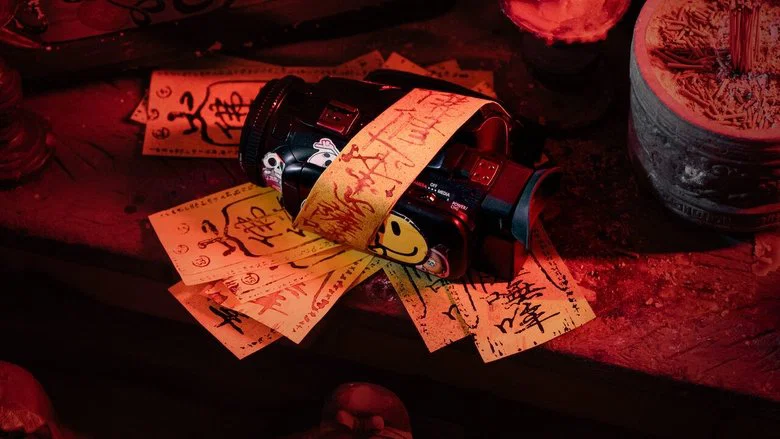
The film’s greatest trick is its refusal to let you look away. The found-footage gimmick is often criticized for being overused, but here, it’s not just a stylistic choice—it’s a narrative one. The camera isn’t just recording the events; it’s an active participant in them.
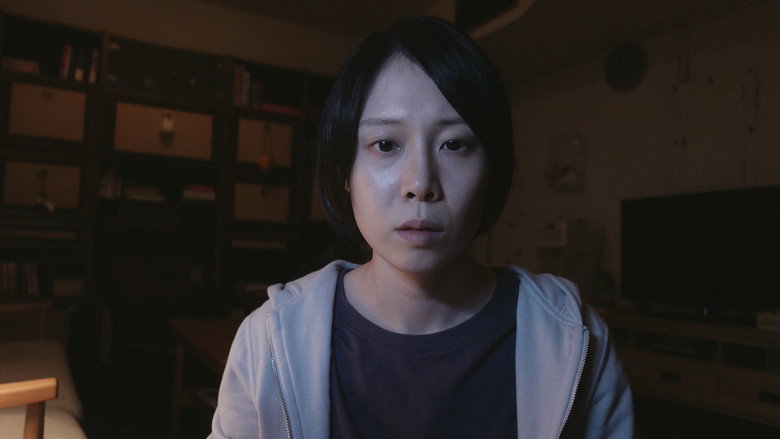
There’s a moment early on where the protagonist, Li Ronan (Ina Tsai), films herself in a mirror, her reflection flickering in a way that feels off, like the camera itself is glitching under the weight of something unseen. It’s a small detail, but it sets the tone: this isn’t just a story about a curse. It’s about the act of documenting terror, and how that act might become the terror.
The plot, in broad strokes, follows Li Ronan as she tries to protect her daughter from a curse tied to a religious cult she once belonged to. The cult’s rituals—chants, offerings, the kind of performative devotion that borders on obsession—are presented with a chilling matter-of-factness. There’s no grand exposition about what the curse means; instead, the film lets the dread seep in through repetition, through the way the camera lingers on a child’s wide, unblinking eyes, or the way a chant grows louder in the background until it’s all you can hear.
It’s the kind of horror that doesn’t rely on jump scares or gore, but on the creeping realization that something is wrong, and that wrongness is spreading like a stain.
What makes Incantation more than just another folk-horror exercise is its focus on the human cost of belief. The cult at the center of the story isn’t just a faceless evil; it’s a group of people who genuinely think they’re doing the right thing. There’s a scene where Li Ronan, years after leaving the cult, watches old footage of herself participating in a ritual.
The camera zooms in on her face—younger, more desperate, her eyes darting like she’s waiting for something to happen. It’s not clear if she’s a victim or a willing participant, and that ambiguity is the point. The film doesn’t judge its characters; it just shows them, flaws and all, and lets the audience sit with the discomfort of not knowing who to root for.
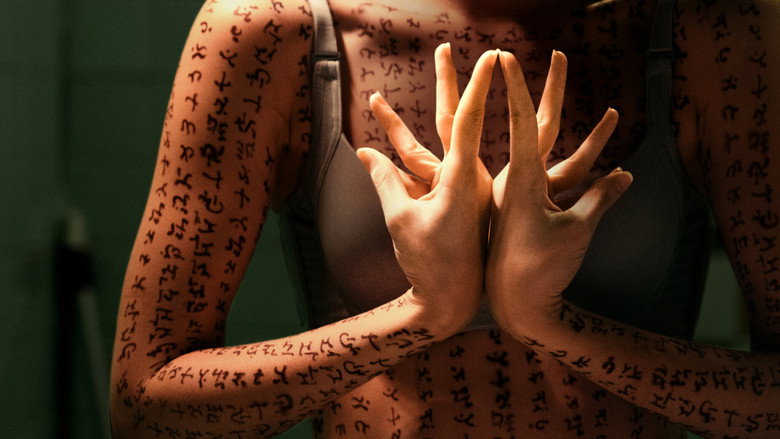
The performances, particularly from Ina Tsai, sell the film’s unsettling atmosphere. Tsai’s Li Ronan is a woman caught between guilt and fear, her body language shifting from tense to exhausted to something almost feral as the curse tightens its grip. There’s a scene where she’s trying to explain the cult’s rituals to an outsider, her voice steady but her hands shaking just enough to betray her.
It’s a small moment, but it’s the kind of detail that makes the horror feel grounded. This isn’t a woman who’s been possessed by a demon; she’s been possessed by her own past, and that’s far more terrifying.
The film’s pacing is deliberate, almost to a fault. There are stretches where not much seems to happen, where the camera just lingers on a hallway or a door, waiting for something to emerge. Some viewers might find this tedious, but I suspect that’s the point. Incantation isn’t interested in quick thrills; it’s interested in the slow unraveling of a mind, the way fear can warp perception until you’re not sure what’s real anymore.
The third act, in particular, is a masterclass in sustained tension, building to a climax that’s less about resolution and more about the acceptance of dread. (I won’t spoil it, but suffice to say, the final shot is one that will stick with me for a long time.)
If there’s a flaw here, it’s that the film’s commitment to ambiguity can sometimes feel like a cop-out. There are questions left unanswered—about the nature of the curse, about the cult’s motives, about whether Li Ronan is truly free by the end. But then again, maybe that’s the point.
Curses, after all, aren’t meant to be understood. They’re meant to be felt.
The audience reception, at least according to SensCritique’s 5.8/10 rating, suggests that Incantation isn’t for everyone. It’s a film that demands patience, and not all viewers are willing to give it. But for those who do, it offers something rare in modern horror: a story that lingers not because of what it shows, but because of what it doesn’t.
It’s a film that understands that the scariest thing isn’t the monster in the dark—it’s the idea that the monster might be you.
I left the theater (or, more accurately, closed my laptop) with the distinct feeling that I’d just been part of something. Not just a viewer, but a participant. And that, more than any jump scare or gory reveal, is what makes Incantation stick.
It doesn’t just want to scare you. It wants to change you. Whether that’s a blessing or a curse depends on how much you believe in either.