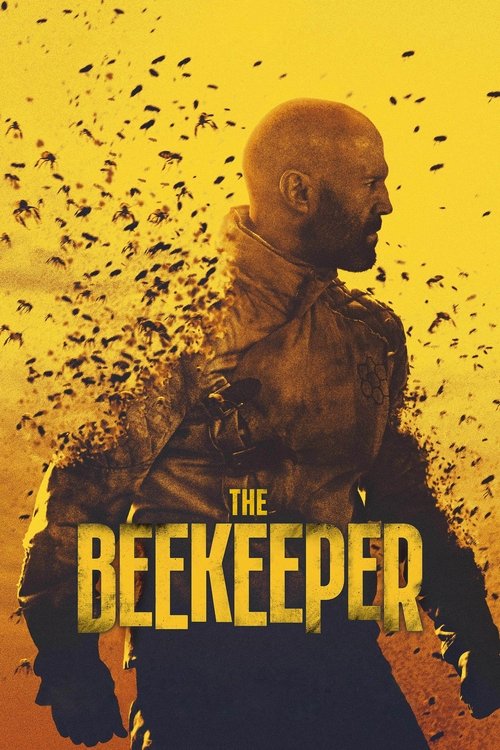
The Weight of SilenceIn the cacophonous landscape of modern action cinema, where franchise building often supersedes storytelling, David Ayer’s *The Beekeeper* arrives as a fascinating, if occasionally dissonant, roar. It is a film that wears the guise of a B-movie revenge thriller—a genre Jason Statham has inhabited so comfortably for decades that he constitutes his own architectural style—but beneath the bone-crunching and the heavy-handed apiary metaphors lies a surprisingly sharp critique of the digital age’s predation on the vulnerable. Ayer, a director whose career has oscillated between the gritty realism of *End of Watch* and the chaotic excess of *Suicide Squad*, here attempts to synthesize the two, resulting in a work that is equal parts myth-making and social catharsis.

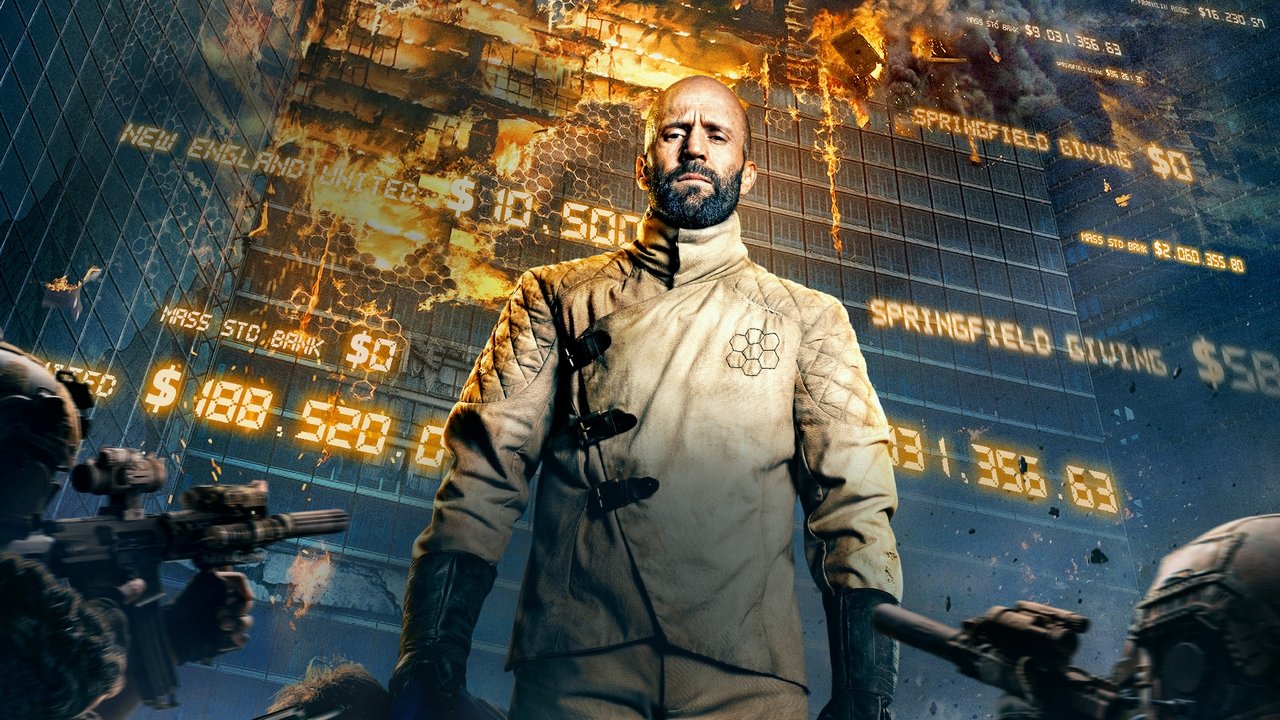
Visually, Ayer abandons the murky, desaturated palettes of his earlier street dramas for something sharper, almost graphic novel-esque. The film’s opening act is a study in stillness, a stark contrast to the frenetic violence that follows. We meet Adam Clay (Statham) not as a warrior, but as a tender of hives, a man seeking redemption through the disciplined maintenance of order. The cinematography in these early scenes, bathed in golden hour warmth, emphasizes the sanctity of his rural isolation. This peace is shattered not by physical violence, but by a digital violation—the financial destruction of his elderly neighbor, Eloise, by a phishing scam. The visualization of the call center, a neon-lit boiler room of frat-boy malice, is filmed with a nauseating vibrancy that highlights the grotesque joy the scammers take in their theft.

At its heart, *The Beekeeper* is less about the mechanics of "The Beekeepers"—a clandestine organization that operates outside the chain of command to "protect the hive"—and more about the helpless rage of the analog generation against a digital world they cannot fight. The performance of Phylicia Rashad as Eloise provides the film's emotional ballast; her despair is quiet, devastating, and entirely human. When Statham’s Clay decides to burn the system down, he isn't just avenging a friend; he is acting as an avatar for every person who has felt powerless against faceless bureaucracy and corruption. The action sequences are brutal and precise, eschewing the floaty CGI of superhero films for a tactile, crunching impact that Ayer captures with unflinching clarity.

Ultimately, the film’s narrative ambition does threaten to collapse under its own escalation. As Clay’s quest leads him from scummy call centers to the highest echelons of political power, the story drifts from a grounded revenge tale into near-absurdist conspiracy territory. Yet, there is a certain purity in this escalation. In a world where justice often feels delayed or denied by red tape, *The Beekeeper* offers a fantasy of immediate, absolute correction. It is not a subtle film, nor is it particularly innovative in its structure, but it possesses a clarity of purpose that is refreshing. It posits that when the system fails to protect its most vulnerable members—when the "hive" is out of balance—a corrective force is not only necessary, but inevitable. In that sense, Ayer has crafted a modern fable: a violent, buzzing reminder that there are consequences for kicking the hornet's nest.