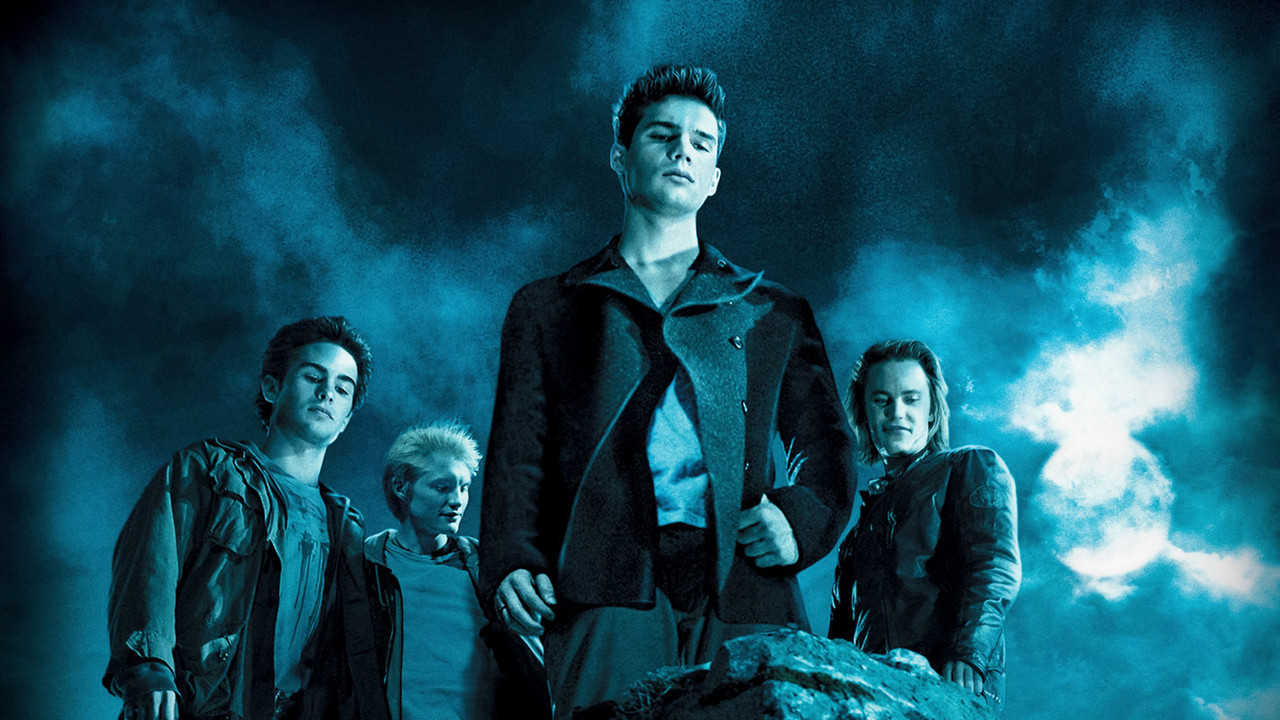

Chace Crawford
Tyler Simms
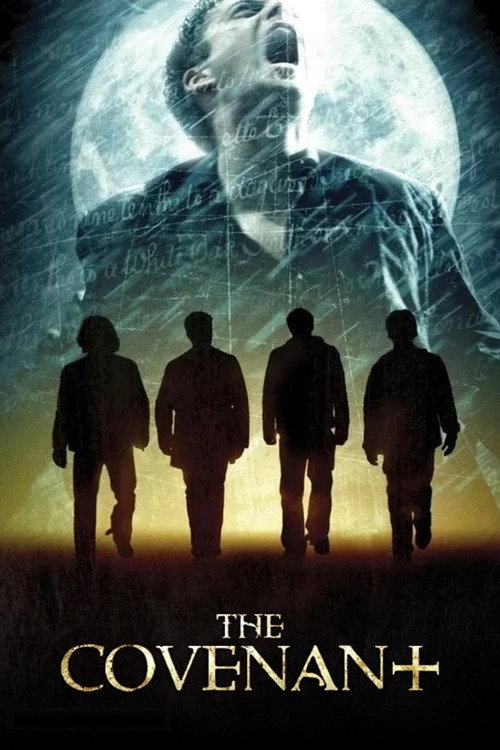
“Only the power of Hell can help them.”
Four young men who belong to a supernatural legacy are forced to battle a fifth power long thought to have died out. Another great force they must contend with is the jealousy and suspicion that threatens to tear them apart.
There’s a peculiar kind of movie that looks, at first glance, as if it were assembled out of leftover parts from better-known things — teen melodrama, occult thriller, glossy studio fantasy — and then, if you stick with it, reveals that the leftovers are the point. The Covenant (2006) is one of those films. I don’t mean that as an insult. Renny Harlin has always been a director who understands the pleasure of genre plumbing: he knows how to make a floorboard creak, how to arrange a room so danger feels just off-camera, how to keep a plot moving even when the script is mostly operating on the level of handsome silhouettes and bad decisions.
Here, working in the mid-2000s wave of supernatural youth movies, he makes a movie about inheritance and male friendship that’s less interested in lore than in the emotional damage caused by being born into a story you didn’t choose.
What’s striking, in retrospect, is how neatly the film fits Harlin’s career. This is the director of Die Hard 2, Cliffhanger, Deep Blue Sea — movies about pressure systems, physical jeopardy, and men being tested by environments that don’t care about their feelings. The Covenant transfers that same sensibility to a more adolescent key. The environment is no longer a glacier or a submersible lab; it’s prep-school masculinity, with its rituals of exclusion, status, and private panic.
The film arrived in the same cultural weather as Underworld, The Craft, The Skulls, and a little later the Twilight phenomenon, but it’s more interested in the bruised, hormonal paranoia of boys who suspect their own powers might be inherited curses. The chatter around it, then and now, tends to split between two positions: either it’s a silly, overstyled relic of its era, or it’s a guilty pleasure with unusually clean visual discipline.
I’m inclined toward the latter, with reservations.
Harlin doesn’t shoot this material with irony, which is probably why it still has a pulse. The film’s central conceit — a group of young men descended from witch families, each with distinct abilities, each carrying the burden of an old pact — could easily become comic-book mush. Instead, the movie keeps returning to bodies: hands tracing sigils, eyes flinching at contact, shoulders tightening when loyalty becomes suspicion.
The power system matters, but not because the rules are especially elegant. What matters is that the powers externalize temperament. One character is all appetite and swagger; another seems permanently on the verge of withdrawing from the room; another wears confidence like a borrowed coat.
I’ve seen plenty of fantasy films mistake explanation for atmosphere. This one understands that atmosphere is a physical condition.
Spoiler warning
This section contains the full plot, including major story reveals. Overview above stays spoiler-free.
Movies
Related titles ranked by rating and popularity.