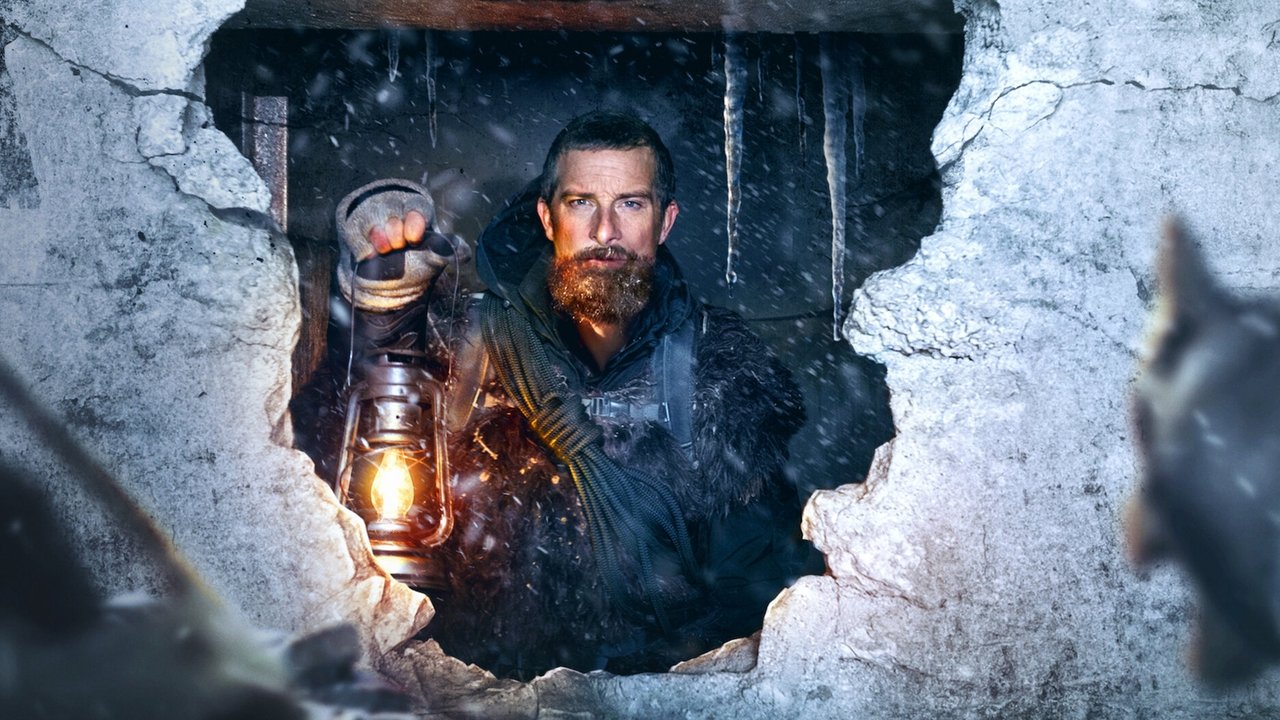

Bear Grylls
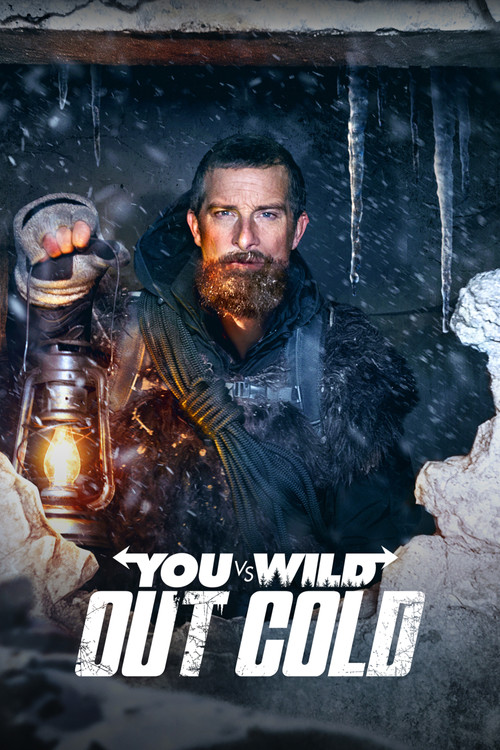
After a plane crash leaves Bear with amnesia, he must make choices to save the missing pilot and survive in this high-stakes interactive adventure.
I’ll admit it: I clicked “Start Adventure” three times in a row. The first time, I built a fire with wet wood and nearly froze Bear Grylls to death. The second, I chose to eat the raw fish—only to watch him gag and lose precious energy.
By the third attempt, I’d learned the algorithm’s rules: always prioritize shelter, never trust the obvious path, and for God’s sake, don’t let Bear drink from that icy stream. You vs. Wild: Out Cold isn’t just a survival story; it’s a game of chicken with your own decision-making. And like all good games, it makes you wonder how much of the outcome was ever really in your hands.
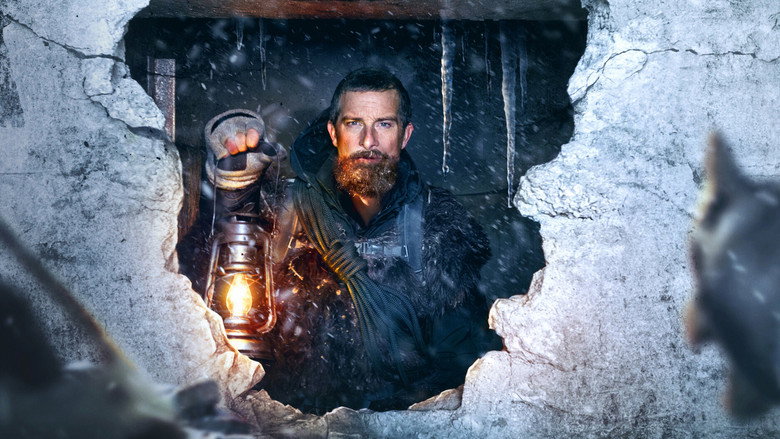
The premise is deceptively simple: Bear Grylls wakes up in the wreckage of a plane crash, his memory scrambled, his pilot missing. From there, the story branches like a choose-your-own-adventure book, with viewers deciding whether he should fashion a snare from parachute cord, attempt to climb a frozen waterfall, or risk hypothermia by crossing a half-frozen river. The interactivity isn’t just a gimmick—it’s the point.
As one audience member put it, “The experience itself is quite customisable... fun to see where you will end up based on your choices” [4]. But here’s the catch: no matter how many times you replay it, the variables feel limited. The choices are binary, the outcomes predetermined.
You’re not so much surviving as you are navigating a flowchart dressed up as the wilderness.
That tension—between the illusion of agency and the reality of a scripted experience—is what makes Out Cold more interesting than it has any right to be. It’s not a film in the traditional sense, nor is it a game. It’s something in between, a hybrid form that Netflix has been experimenting with since Black Mirror: Bandersnatch.
But where Bandersnatch used interactivity to explore themes of free will and mental health, Out Cold is more modest in its ambitions. It’s not trying to say anything profound about human nature. It’s just trying to make you feel the rush of a near-miss, the satisfaction of a well-made fire, the sting of a bad decision.
"A solid interactive adventure that delivers on thrills and engagement, though some viewers find its replay value and depth limited."
Viewers of *You vs. Wild: Out Cold* (2021) generally praise the interactive format, which allows them to make decisions for Bear Grylls as he navigates a survival scenario after a plane crash in icy mountains. The short runtime (25—45 minutes, depending on choices) is seen as a strength, making it easy to replay with different outcomes. Fans of Bear Grylls appreciate the authenticity of his survival expertise, though some note the experience feels more like an extended episode of his TV shows rather than a fully fleshed-out movie. The amnesia plot device is described as a clever way to integrate audience choices, but a few viewers mention it lacks the emotional weight of a traditional narrative. The visuals of the harsh winter environment are widely commended for their realism, though the limited scope of the setting (snow and ice) is cited as a minor drawback. Russian-speaking audiences, while not extensively documented in the retrieved sources, appear to echo these sentiments, with some highlighting the fun of the interactive mechanics but wishing for more variety in challenges.
Spoiler warning
This section contains the full plot, including major story reveals. Overview above stays spoiler-free.
Netflix’s You vs. Wild: Out Cold (2021) drops survival expert Bear Grylls into a high-stakes interactive adventure, but this time, the real challenge might have been behind the camera. Directed by Ben Simms, the film blends Grylls’ signature wilderness know-how with a choose-your-own-path twist, letting viewers dictate the outcome. Yet, the production’s own survival story—from on-set mishaps to the pressure of interactive storytelling—reveals just how much was at stake.
You vs. Wild: Out Cold isn’t just another Bear Grylls special. It’s part of Netflix’s push into interactive content, where viewers make decisions for the protagonist in real time. The format isn’t new—Netflix’s Black Mirror: Bandersnatch (2018) proved audiences crave control—but applying it to Grylls’ brand of extreme survival was a risk. The trailer teases a plane crash scenario where Grylls must rescue his injured co-pilot, Joe (played by Jason Derek Prempeh), while battling freezing temperatures and limited supplies. The catch? Viewers decide how he does it.
The interactive element meant filming multiple outcomes for every decision point, a logistical nightmare for a production already juggling remote locations and unpredictable weather. Sources suggest the team had to shoot "dozens of alternate scenes" to account for every possible viewer choice, from which tools Grylls uses to how he treats Joe’s injuries. One reaction video speculates that some endings might have been filmed in a single take to save time, though Netflix hasn’t confirmed this.
Grylls’ on-screen resilience is legendary, but Out Cold tested even his limits. The film was shot in the rugged landscapes of British Columbia, where temperatures can plummet below freezing—ideal for the story’s "out cold" theme, but brutal for the crew. A review hints at the physical toll, noting that Grylls "pushed through extreme conditions" to film multiple takes of survival sequences. There’s no word on injuries, but given Grylls’ history of broken bones and near-misses in the wild, it’s not hard to imagine the production wasn’t without its close calls.
The dynamic between Grylls and Prempeh also adds a layer of authenticity. Prempeh, a relative newcomer, plays Joe, the injured co-pilot whose fate rests in the viewer’s hands. A breakdown of the film’s possible endings reveals that Joe’s survival depends on the choices made, with some paths leading to dire consequences. This raises the question: Did Prempeh have to endure multiple "injured" takes, or was his performance stitched together from different scenes? The evidence doesn’t say, but the interactive format likely required him to repeat key moments for continuity.
Netflix’s interactive model is designed to boost engagement, but Out Cold’s reception has been mixed. Some viewers praised the immersive experience , while others found the branching narratives confusing or gimmicky. One reaction video jokes that the film’s title could double as a warning for viewers trying to keep track of all the choices. The format also complicates rewatches—how many endings are there, and how different are they? A source suggests there are "multiple lifelines" for Joe, but without a definitive count, it’s unclear how much content was left on the cutting room floor.
The bigger question is whether Out Cold will pave the way for more interactive survival films. Netflix’s earlier You vs. Wild specials (like the 2019 original ) tested the waters, but Out Cold doubles down on the concept. If the audience response is strong, we might see Grylls tackling even wilder scenarios—with viewers calling the shots.
For now, You vs. Wild: Out Cold stands as a unique experiment in blending survival TV with interactive storytelling. The production’s challenges—from filming multiple endings to braving harsh conditions—highlight the risks of pushing the format forward. Whether it’s a one-off or the start of a new trend remains to be seen, but one thing’s certain: Bear Grylls isn’t out cold yet.
Entertainment rumors and trivia aggregated from public reporting. Treat speculation as unverified unless a cited source confirms it.