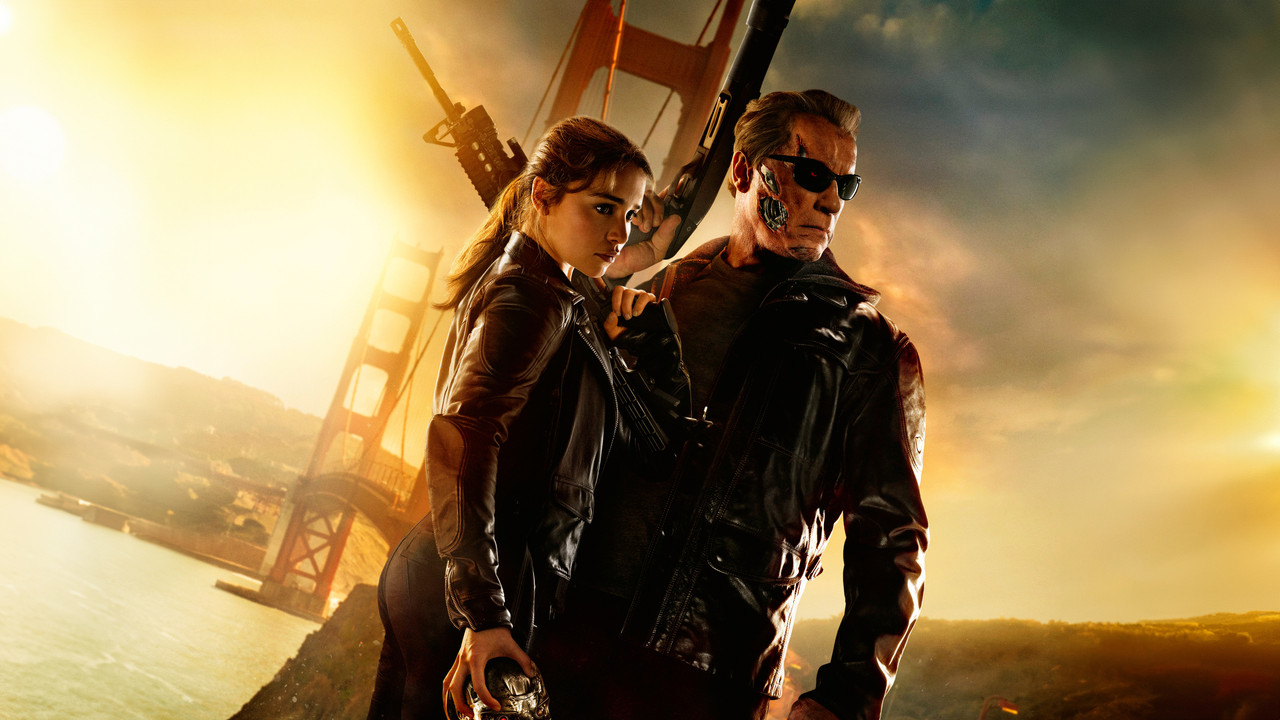

The Rusting of a MachineI’m not sure we know how to let cinematic mythologies die with dignity anymore. Watching *Terminator Genisys*, I kept thinking about the Ship of Theseus—the idea of whether a ship is the same object if you replace every single plank. Directed by Alan Taylor, this fifth installment is a loud, confounding attempt to replace the planks while the ship is actively sinking. It doesn't just reboot; it wrestles with the ghosts of 1984 and 1991, folding the timeline back on itself until the narrative resembles a crumpled map. Yet, beneath the corporate mandate, there’s a strange, accidental melancholy about the decay of the body.

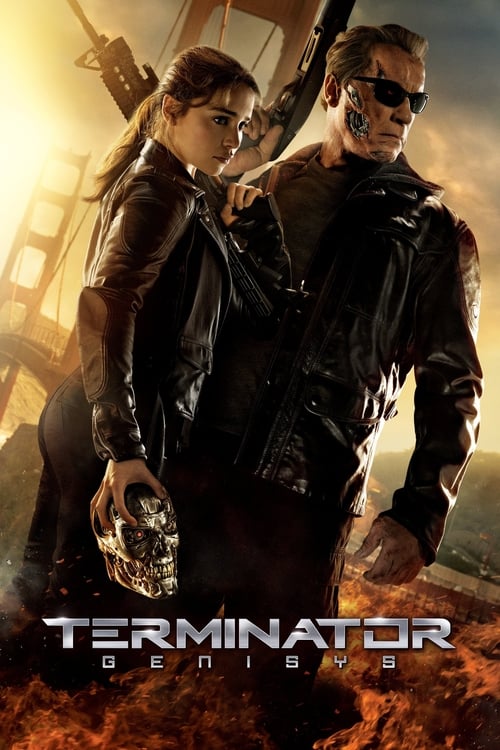
The film’s best move happens early on, recreating the original T-800’s arrival at the Griffith Observatory. It plays like a cover band hitting the familiar notes until the digitally smoothed 1984 version of Arnold Schwarzenegger is confronted by the real, 67-year-old Schwarzenegger. The older model—called "Pops"—blasts his younger, pristine self into scrap. It’s a potent visual of a franchise killing its own idealized past. The script uses a bit of lore suggested by James Cameron: the synthetic flesh is organic, meaning it sags and wrinkles just like ours.
Schwarzenegger’s physicality is the true heart of the film. For decades, he was a monument of mass. here, he allows his face to slacken. His movements are slower, his gait heavier, his jaw locked in a weary grimace. When he says, “Old, but not obsolete,” it feels less like a tagline and more like an aging star pleading his case to an industry that has moved on. There's a scene where Pops tries to smile, and the resulting facial contortion is horrifyingly awkward. It’s played for laughs, but the stiffness in his cheeks says everything about the impossibility of a machine mimicking human grace.

Emilia Clarke takes over as Sarah Connor, carrying the weight of Linda Hamilton’s legacy. Clarke makes an interesting choice; instead of replicating Hamilton’s feral paranoia, she plays Sarah as a young woman who has already accepted her absurd fate. She doesn't have the shredded deltoids of the 1991 version. Her posture is rounder and her grip on a rifle is less militaristic, but her eyes carry a sharp, exhausted pragmatism. She was raised by a robot, after all. (Her dynamic with Jai Courtney’s Kyle Reese, however, never catches fire; Courtney plays Reese with a perpetual squint, as if he's reading a blurry teleprompter during a gunfight.)
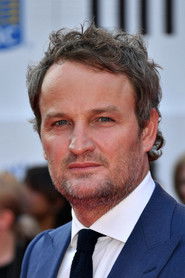
The problem is the film is terrified of letting them just exist in this weird father-daughter dynamic. The second half devolves into a slurry of timelines and exposition that the script practically has to scream over the sound of exploding helicopters. *The Guardian*’s Peter Bradshaw was unsparing, comparing the convoluted plot to a personal crisis. He’s right. When John Connor (Jason Clarke) arrives as an antagonist, the dialogue starts explaining what the camera already shows. The emotional stakes evaporate into jargon about quantum magnetic fields and operating systems.

Maybe the tragedy of *Terminator Genisys* is that it glimpses a much better, quieter movie hidden inside its blockbuster machinery. A story about an aging protector whose hardware is failing, trying to secure a future for a daughter before his battery runs out. The action sequences are loud and competent, but they slide off the brain. What lingers is the sight of Schwarzenegger’s gray hair. It reminds us that no matter how many times we reset the timeline, we can't negotiate with gravity or the slow rusting of the things we love.