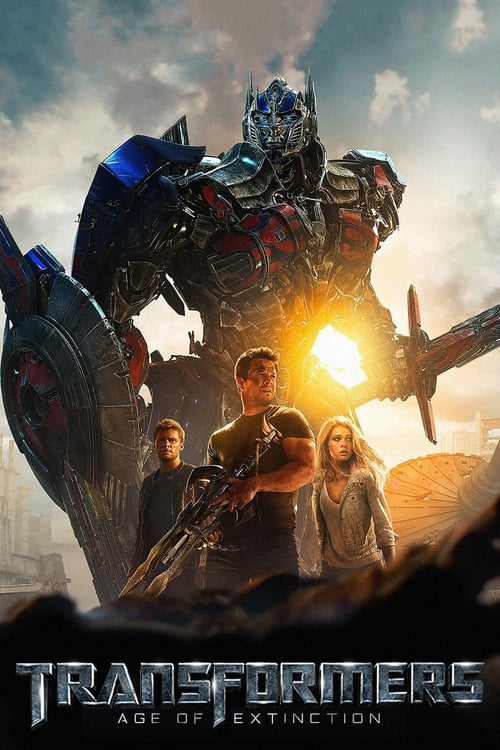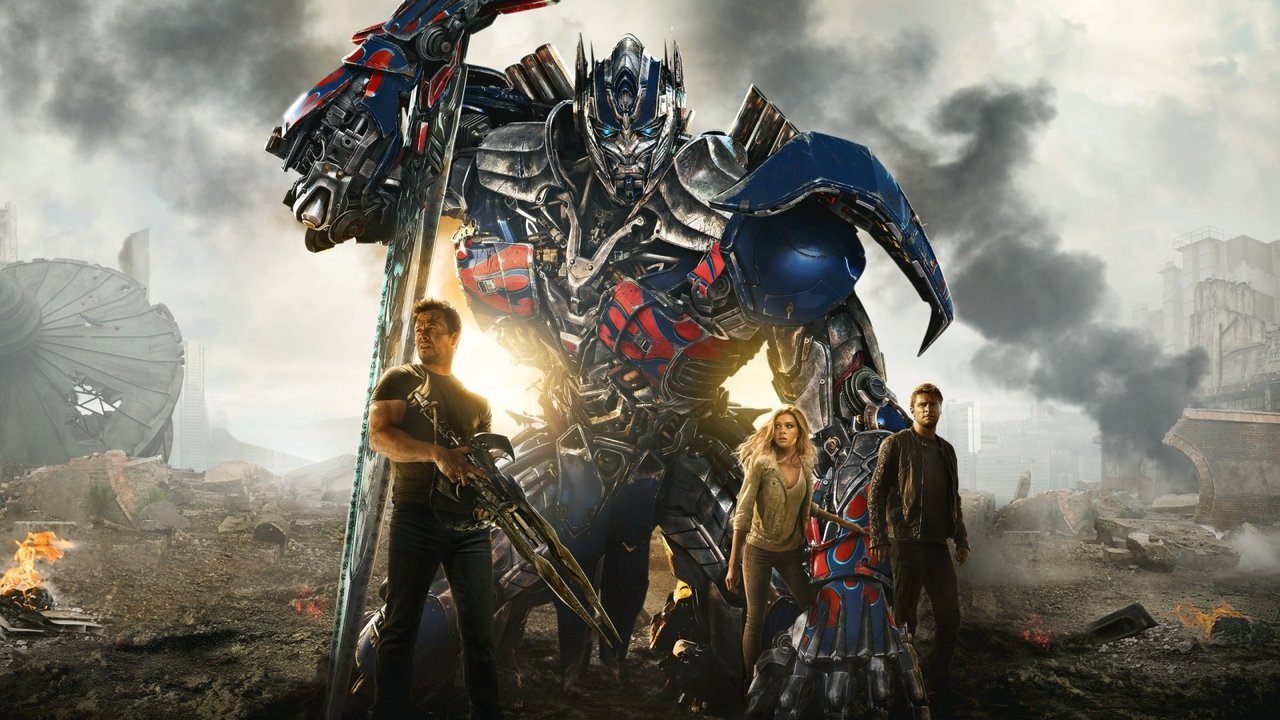

The Architecture of ExcessIf cinema is a language, Michael Bay does not speak in sentences; he speaks in detonations. In *Transformers: Age of Extinction* (2014), the director’s signature maximalism reaches a fever pitch that borders on the avant-garde. This is not merely a sequel; it is a soft reboot that jettisons the nervous adolescent energy of the Shia LaBeouf era for something far more cynical, weary, and aggressively loud. It is a film that demands submission rather than engagement, a three-hour testament to the idea that if you cannot find the soul of the machine, you can at least fetishize its destruction.

Bay’s visual dialect is often dismissed as incoherent, but there is a terrifying precision to the chaos here. The film introduces "Transformium," a programmable matter that allows the robots to dissolve and reshape in flowing, liquid ribbons. This visual effect serves as a perfect metaphor for the film’s narrative structure: fluid, unstable, and constantly morphing to accommodate the next set piece. The camera rarely rests; it swoops through Hong Kong tenements and Texas cornfields with a predatory hunger. When the Autobots clash with the man-made Galvatron, the screen becomes a Jackson Pollock painting of sparks and twisted metal, a sensory overload that feels less like an action movie and more like a high-budget endurance test.
At the center of this metallic maelstrom is Mark Wahlberg’s Cade Yeager, a failed inventor who replaces the previous films' boy-hero archetype. Wahlberg brings a muscular, desperate earnestness to the role, playing a man clinging to the American Dream in an economy—and a universe—that has rendered him obsolete. There is a surprising vein of misanthropy running through the script. The humans are largely treacherous or incompetent, hunting down the very alien saviors who protected them in Chicago. Optimus Prime, once the stoic guardian, is now a fugitive radical, disillusioned and prone to violent outbursts. The film posits a world where heroism is rewarded with betrayal, a bleak outlook that adds a strange, bitter aftertaste to the popcorn spectacle.

The introduction of the Dinobots in the final act is perhaps the film’s most defining moment of excess. It is not enough to have giant robots; we must have giant robot dinosaurs breathing fire. The image of Optimus Prime riding a mechanical T-Rex through the streets of Hong Kong is so absurd, so devoid of logic, that it transcends criticism and enters the realm of pure, unadulterated id. It is the cinematic equivalent of a child smashing their entire toy chest together at once. Yet, in Bay’s hands, this absurdity is treated with operatic seriousness. The sunsets are forever golden, the slow-motion is religiously applied, and the destruction is absolute.

Ultimately, *Age of Extinction* stands as a monument to Hollywood’s industrial sublime. It is bloated, exhausting, and frequently nonsensical, yet it possesses a undeniable, crushing gravity. It reflects a culture obsessed with scale and spectacle, where the only way to raise the stakes is to increase the decibel level. Michael Bay does not ask us to care about the robots as characters, but to worship them as gods of destruction. In this glinting, deafening universe, the human element is merely collateral damage in a war of heavy metal thunder.