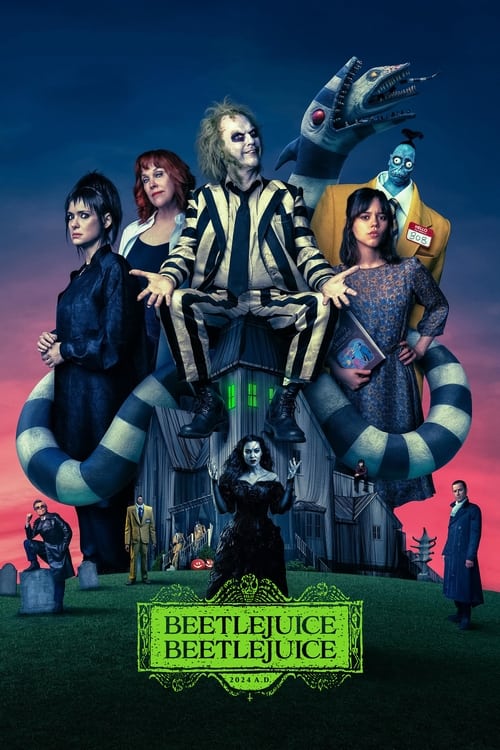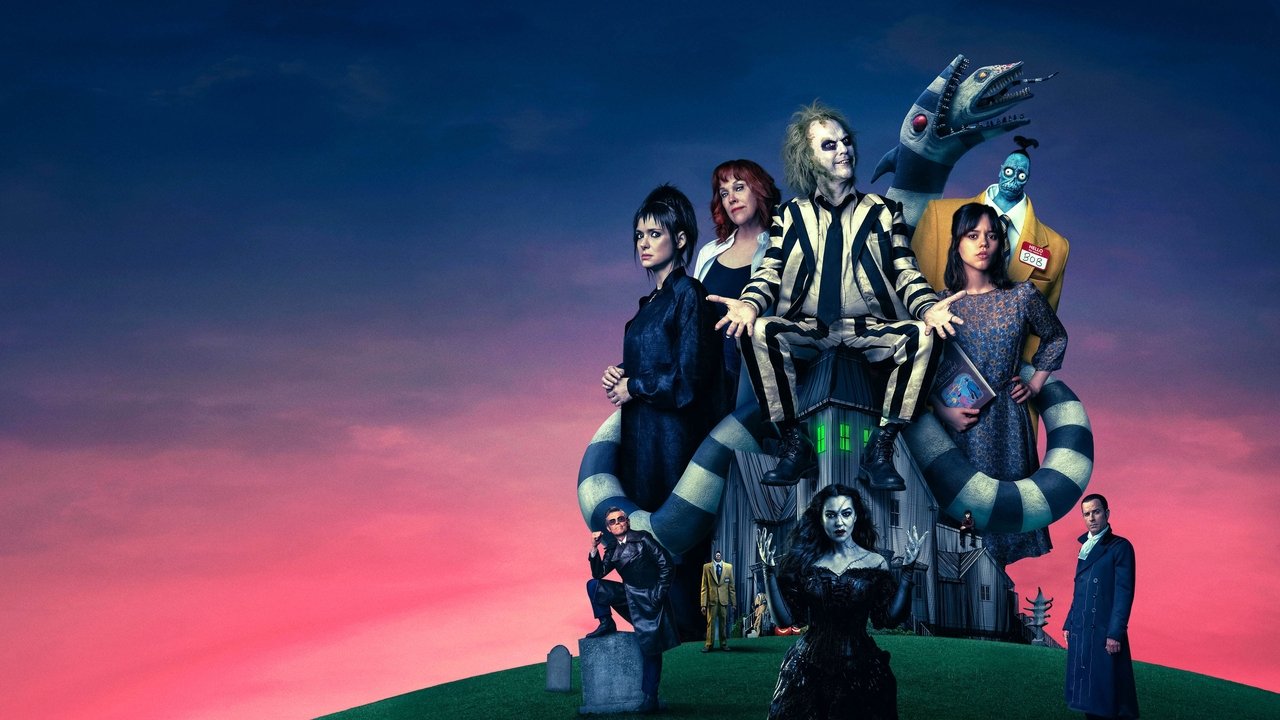
The Ghost with the Most (Baggage)I was convinced we didn't need this sequel. The original film had spent almost forty years sealed in its own strange little ecosystem—a freakish, handmade collision of gothic design and pure comic anarchy. But Hollywood never met a corpse it didn't want to reanimate. When *Beetlejuice Beetlejuice* finally showed up, I was bracing for another beloved 80s property to get polished into lifelessness by green screens and corporate nostalgia. What caught me off guard was the sadness of the opening. A choir of mournful children sings Harry Belafonte's "Day-O" at a funeral, and suddenly that silly calypso staple from 1988 lands with the soggy weight of actual grief. It's an unexpectedly smart tonal pivot.

Tim Burton has looked half-asleep for a while now. If you've endured the glossy, CGI-heavy detours of his later period (I still shudder when I think about *Dumbo*), you know the feeling of watching an original stylist go through motions that no longer excite him. Here, back in Winter River and working with practical slime, stop-motion, and those jagged German Expressionist sets, he finally seems awake again. When the Deetz patriarch dies in that gleefully grim claymation bit involving a plane crash and a shark, you can feel Burton reaching for the old toolbox. IGN's Siddhant Adlakha put it well when he wrote that the film intentionally drains the story of dramatic heft, but "this makes way for the goofy, imaginative practical effects of Burton's early days."
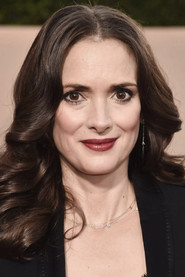
Winona Ryder ends up carrying the movie's emotional center, even if Lydia Deetz has changed completely. In the first film, Ryder was a real sixteen-year-old with that raw, unsanded teenage gloom. Now Lydia is middle-aged, hosting a tacky paranormal TV series called *Ghost House*, and still moving like someone who never really metabolized her old wounds. Watch her in the studio scenes: the famous bangs remain, but the posture is new. She hunches. Her eyes keep flicking off-camera. Her shoulders stay tight, as if she's bracing for impact from a blow that never lands. That tension also shapes the way she fails to connect with her daughter Astrid, played by Jenna Ortega with a sharp, grounded disdain that feels familiar but effective.

And then Michael Keaton strolls back in, which feels less like an actor reviving a performance than a demon slipping right back into his old skin. He wears the striped suit with alarming ease. The rhythm is the same: jerky, invasive, impossible to predict. He lunges into personal space, bares those rotten teeth, and spits out lines with the energy of a carnival creep who never shut up. Keaton's great trick has always been physical. The film wisely remembers that and keeps Betelgeuse mostly at the edges, honoring the less-is-more strategy that made his original seventeen minutes so memorable.
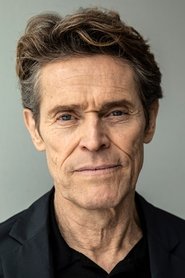
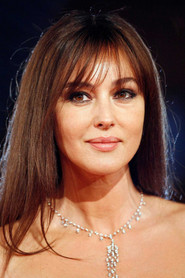
If only the screenplay understood moderation too. This sequel feels like an overstuffed junk drawer, crammed with at least three major subplots that keep elbowing each other for attention. Monica Bellucci pops up as a body-stapling ex-wife, which is a terrific visual gag and almost nothing else. Willem Dafoe has fun as a dead B-movie actor turned afterlife cop, but the film never figures out why it truly needs him. Matt Singer at ScreenCrush was right to call it "overloaded with characters and unnecessary subplots." It really does play like three separate versions of the sequel thrown into one blender.

I can understand why Burton and company decided to throw every oddball idea they had at the screen. If this is the last trip to the Neitherworld, they clearly wanted to leave with empty pockets. Even with all that narrative sprawl, the movie keeps coasting on its tactile, handmade weirdness. It's messy, sometimes frustrating, and never fully coherent. Still, in a blockbuster landscape where so many films feel assembled from market data, there is real pleasure in something this strange, grubby, and stubbornly alive.