
Jingle All the Way backdrop
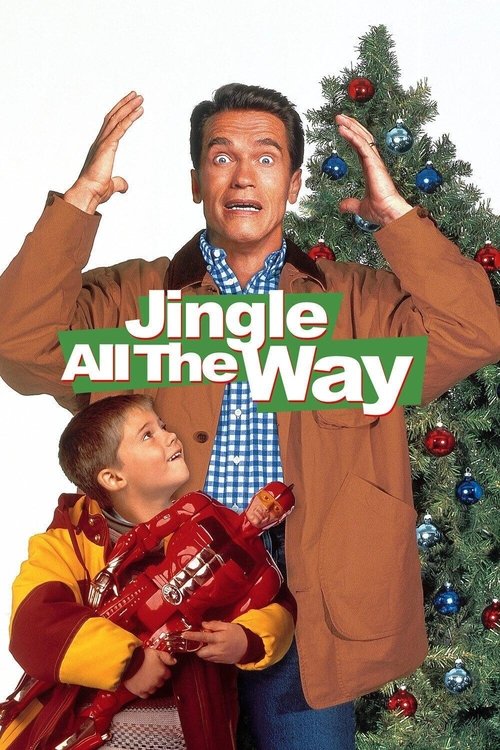
Jingle All the Way poster

Jingle All the Way

“Two dads, one toy, no prisoners.”

6.1
1996
1h 29m
FamilyComedyAdventure
Director: Brian Levant

Overview

Howard Langston, a salesman for a mattress company, is constantly kept busy at his job, disappointing his son. After he misses his son's karate exposition, Howard vows to make it up to him by buying an action figure of his son's favorite television hero for Christmas. Unfortunately for Howard, it is Christmas Eve, and every store is sold out of Turbo Man. Now, Howard must travel all over town and compete with everybody else to find a Turbo Man action figure.

Full Plot (Spoilers)

AI-generated full plot summary

Howard Langston, a mattress salesman, frequently misses family events to take calls from his "number one" customers. After arriving late to find he has missed his son Jamie's karate belt ceremony, Howard encounters his neighbor, Ted Maltin, who has recorded the event and is helping Howard’s wife, Liz, around the house.

Sponsored

Trailer

Trailer

Cast

Reviews

AI-generated review
The Plastic Weight of Fatherhood

I don't think we've ever really made peace with how deranged 1990s holiday movies could be. That stretch of studio cheer was less about goodwill than about the dread of failing as a shopper, a parent, a citizen of the mall. Brian Levant's *Jingle All the Way* (1996) might be the purest example: a family comedy shot with the nerves of a public breakdown. You don't settle into it. You brace yourself and hope it passes.

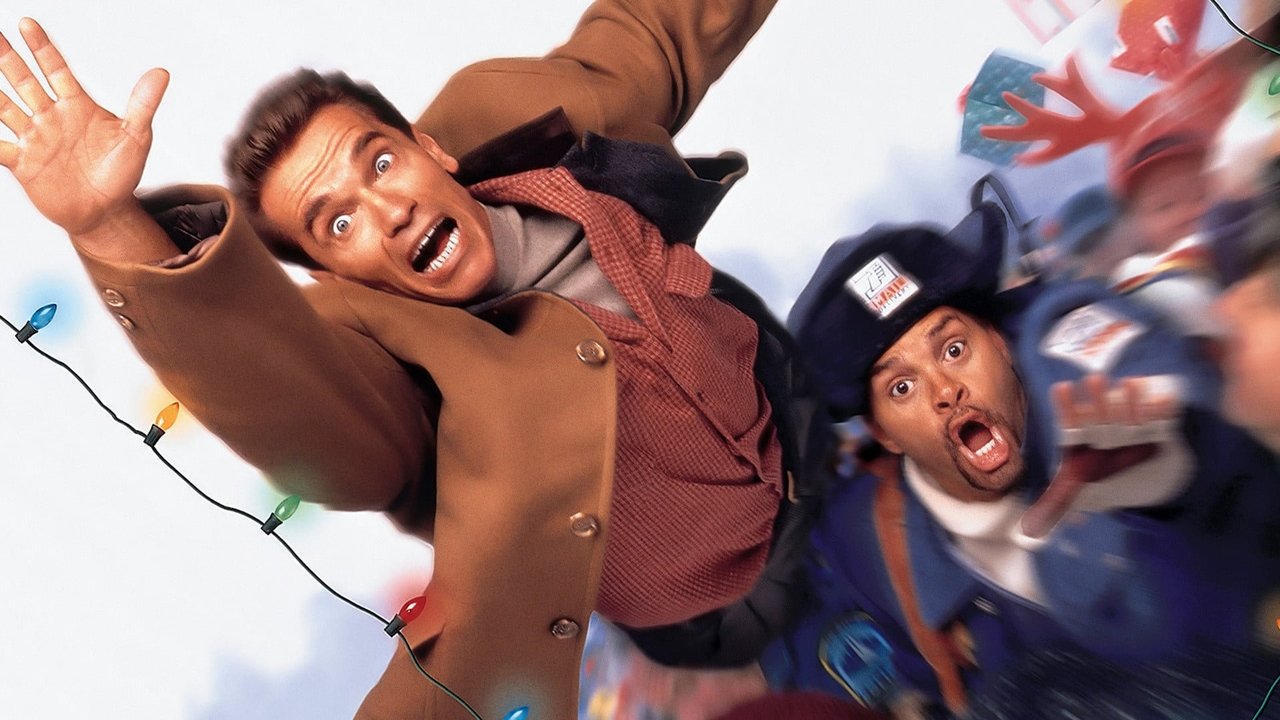
The movie has this grimy, hand-sweaty tension to it. Howard Langston, an absentee mattress salesman played by Arnold Schwarzenegger, spends Christmas Eve hunting a sold-out Turbo Man doll because he thinks that gift might patch the hole between him and his son. Levant stages the whole thing like combat cinema. (Only here the wounded are mostly retail workers and whatever pride Howard had left.)

Howard looking stressed in the crowd

Arnold's body is half the joke, and the film knows it. He was coming off *True Lies*, still built and framed like the world's most indestructible action star, and suddenly none of that helps him in a toy frenzy. Seeing this enormous man get shoved around by desperate mothers or outmaneuvered by a scheming mailman—Sinbad, all frantic chatter and weaponized irritation—is weirdly destabilizing. His jaw is locked the whole time. His posture caves in. He seems exhausted, dense, misplaced. The comedy isn't verbal. It's the sight of a man engineered for mayhem getting defeated by suburban nonsense.

Then there's Phil Hartman, giving one of those performances that feels both hilarious and faintly toxic. As Ted, the divorced neighbor forever circling Howard's wife (Rita Wilson), he plays suburban competence like a threat. He brings cookies. He repairs the roof. He is, more or less, Howard's insecurity in loafers. Hartman's death only a few years later hangs over the performance now, but inside the movie he's pure irritation, perfectly slick, exactly the kind of guy Howard can never stop measuring himself against.

Frantic toy search sequence

The ball pit sequence gets at the movie's whole fever pitch. Howard chases a kid who snagged the final lottery ball for a shot at buying the toy, and the pursuit spills into this giant, primary-colored play structure. The camera tightens up and starts panicking with him, turning a children's maze into something almost suffocating. Howard comes out of it rattled and wild-eyed, only to get swarmed by mothers who think they've caught a predator. They beat him with handbags, and his huge body suddenly looks small under all that confusion.

Roger Ebert called out the sheer lunacy of the moment in his review, noting Howard's unforgettable protest: "I'm not a pervert! I just vas looking for a TurboMan doll!" Whether that lands for you probably depends on your appetite for slapstick, but I think the scene works because the movie never lets Howard keep his dignity for long.

The parade climax

By the end, the film pushes Howard into the literal plastic shell of the thing he's been chasing. Through a series of accidents, he winds up inside the Turbo Man suit at the parade, complete with jetpack heroics and a ready-made lesson for his son. The screenplay wants this to play as a warm revelation, the boy realizing his father was the real hero all along. I don't quite buy that. What the movie actually suggests is bleaker: in this world, being a good dad means turning yourself into merchandise.

I've run into that move in plenty of other 90s movies, where emotional payoff gets welded directly to consumer desire. Maybe that's satire. Maybe it's just clumsy storytelling. I mostly lean clumsy. Still, *Jingle All the Way* has such a sweaty, frantic pulse that it remains hard to look away from. It's loud, ugly, and weirdly revealing, a relic from a moment when people really did act as if love could be bought in a shopping center, so long as you were willing to throw an elbow for it.

Clips (5)

Howard Gets Jumped By Santas

The Fight For Turbo Man

Clip

Clip

Clip