
Aaron Paul
Self
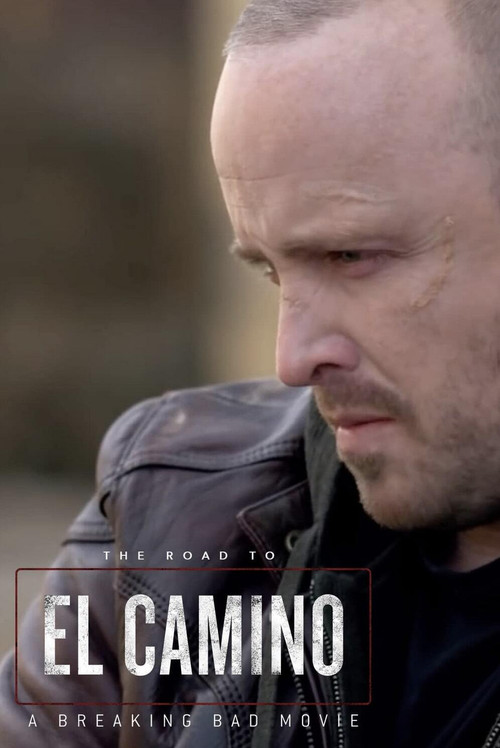
Aaron Paul, Vince Gilligan and other cast members, producers and crew share stories and footage from the making of "El Camino."
I’ll admit it: I clicked on The Road to El Camino expecting a quick hit of nostalgia, the kind of thing you watch while folding laundry or waiting for your coffee to brew. Thirteen minutes later, I was leaning forward, rewinding, pausing to squint at the screen like it might reveal some hidden truth about Breaking Bad I’d missed. That’s the thing about even the smallest scraps from this universe—they don’t just remind you of what you loved; they make you feel like you’re back inside it, if only for a moment.

The documentary is, at its core, a reunion. Not the kind with awkward small talk and forced smiles, but the kind where everyone still knows the inside jokes, where the weight of what they’ve been through together lingers in the air like the scent of gunpowder after a shootout. Aaron Paul is the emotional anchor here, his voice softer than you remember from Jesse’s screams, his face still carrying the exhaustion of a man who spent six years running from his own life.
When he talks about Vince Gilligan—“He’s a genius, man, but he’s also just a really good dude”—it’s not the kind of empty praise you hear in most behind-the-scenes featurettes. It feels like a thank-you note, the kind you write years after the fact because you finally realize how much someone gave you.
And then there’s Gilligan himself, who comes across as the kind of director who’d rather talk about the idea of a scene than the logistics of shooting it. He’s giddy when he describes the overhead shot of Jesse tearing apart Todd’s apartment, the way the camera pulls back to reveal the chaos below like a god watching a mortal unravel. “It’s almost like a Rear Window moment,” he says, and you can hear the delight in his voice.
"A short, affectionate making-of featurette that offers enjoyable cast nostalgia and a few cool insights but stops just as it gets interesting."
The documentary plays like a bite-sized reunion, with heartfelt reflections on Breaking Bad, appreciation for Vince Gilligan, and a closer look at standout touches such as the elaborate overhead apartment search shot and character details like Todd’s disturbing view of Jesse. latestnetflix.com's take is that the biggest letdown is the brevity and focus on praise and reminiscing over concrete filmmaking process, leaving those who wanted a deeper, more technical behind-the-scenes look and a longer runtime somewhat unsatisfied.
El Camino hit Netflix on October 11, 2019. The Road to El Camino, a 13 minute TV-14 short, landed as its own title around October 28. IMDb logs that United States date. Collider clocked the mini-doc on October 29 and treated it as leftover reunion tape, not a new chapter. Aaron Paul, Vince Gilligan, Jonathan Banks, Matt Jones, Charles Baker, Krysten Ritter, Jesse Plemons, and Robert Forster sit as themselves and talk about going home. latestnetflix.com's read is that Netflix still files it as a documentary you can download. ,
,  ,
,
A week before the movie, IndieWire ran quotes from Netflix's early making-of clip. Paul said fans would be "so thrilled to see this next chapter" and that it "gives some closure for this character." Gilligan said he had wanted "the Jesse Pinkman story post-Breaking Bad" for years. Paul said the first pages he saw were labeled Vince Gilligan "SPECIAL PROJECT." Matt Jones, back as Badger next to Charles Baker's Skinny Pete, compared the set to a high school reunion. Then the line that traveled. "If your high school sold meth."
Paul is also in the producer column, listed with Mark Johnson, Melissa Bernstein, Charles Newirth, and Diane Mercer, in association with Sony Pictures Television. The short is not a second movie. It is crew chatter plus a few shots of how they built Jesse hunting cash in an apartment. Letterboxd users later groused that most of the 13 minutes is nostalgia, not craft. That complaint is fair and also the pitch. The whole extra exists because the band came back. ,
Robert Forster died on October 11, the same day El Camino the feature dropped. Deadline said he was 78, at home in Los Angeles, after a brief fight with brain cancer. The movie was one of his last jobs. He reprised Ed, the vacuum-store disappearer from Breaking Bad. Collider's write-up of The Road to El Camino still lingered on watching him work. Entertainment Weekly later printed Vince Gilligan calling him "the real deal" and "truly one of the good guys." Gilligan learned Forster was seriously ill only the day before he died. Aaron Paul said Forster had watched the film, called to say he loved him, and was gone by the time Paul landed. The 13 minute extra is the last time a lot of viewers heard that voice in the Breaking Bad room.  , ,
, ,
The Hollywood Reporter sat Gilligan and Paul down in the same press cycle. The YouTube chat is the talk-show version of the reunion. The Netflix title is leftover footage with a name longer than the runtime.
Entertainment rumors and trivia aggregated from public reporting. Treat speculation as unverified unless a cited source confirms it.