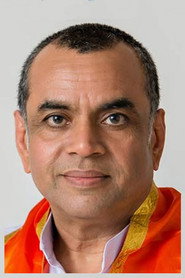

Shiv Panditt
Malhar
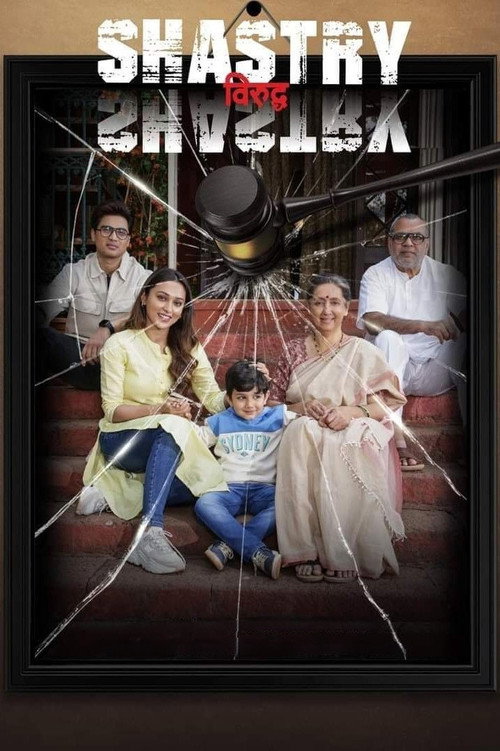
“Story of a grandfather and his grandson”
A little boy is in a dilemma when his parents wish to take him away from his orthodox grandparents. This gives rise to a legal battle between the two for his custody.
I’ve been thinking about Shastry Viruddh Shastry for days—not because it’s a perfect film, but because it does something rare in Hindi cinema: it lets an old man be both stubborn and tender, both wrong and deeply right. The film is a custody battle, yes, but it’s also a battle over what love looks like when the world changes around you. And in the middle of it all is Paresh Rawal’s Manohar Shastry, a grandfather who refuses to let his grandson leave for America, even if it means taking his own son to court.
That courtroom scene is where the film’s heart beats loudest. The camera lingers on Rawal’s face as he sits in the witness box, his hands gripping the wooden railing like it’s the only thing keeping him upright. He’s not a villain, not a saint—just a man who believes, with every fiber of his being, that his grandson belongs with him.
The script doesn’t give him a grand speech to justify his stance. Instead, it lets his silence do the talking. (And Rawal, as always, makes silence feel like a language of its own.)

The film is a remake of Nandita Roy and Shiboprosad Mukherjee’s Bengali film Posto, and you can feel the directors’ affection for this story in every frame. They’re not interested in melodrama or easy resolutions. Instead, they focus on the small, everyday moments that define a family: the way a grandfather teaches his grandson to write in Sanskrit, the shared laughter over a meal, the unspoken understanding between a child and the man who raised him.
These scenes are the film’s strength, and they’re what make the eventual custody battle feel so wrenching. When the law gets involved, it’s not just about who gets to keep the boy—it’s about what kind of life he’ll have, and whether love can be measured in courtrooms.
Shastry Viruddh Shastry (2023) marks the Hindi film debut of acclaimed Bengali directors Nandita Roy and Shiboprosad Mukherjee, bringing their signature blend of family drama and emotional storytelling to a broader audience. The film, a remake of their own Bengali project, stars a powerhouse cast led by Paresh Rawal, Neena Kulkarni, and Shiv Panditt, with Mimi Chakraborty making her Hindi debut. Here’s what we know about the making of this heartfelt cinematic venture.
Roy and Mukherjee are no strangers to family-centric narratives, having directed hits like Bela Seshe and Praktan in Bengali cinema. Shastry Viruddh Shastry is a remake of their 2019 film Konttho, which explored themes of communication, love, and generational bonds  . The Hindi adaptation retains the core premise: a seven-year-old boy named Yaman Shastry, who lives with his grandparents, becomes the emotional anchor of the family. When his father gets an opportunity to move to the U.S., tensions rise as the grandfather (played by Paresh Rawal) refuses to let Yaman leave
  .
.
The directors’ decision to remake the film in Hindi was likely driven by the universal appeal of its themes—parenting, sacrifice, and the unbreakable bonds of family. While the original Konttho was praised for its nuanced portrayal of relationships, Shastry Viruddh Shastry brings a fresh perspective with its star-studded cast and Hindi-language accessibility.
The film’s ensemble cast is one of its biggest draws. Paresh Rawal, a veteran of Hindi cinema, plays Guruji, the patriarch of the Shastry family. Rawal’s ability to balance gravitas with warmth makes him a perfect fit for the role of a grandfather who is both strict and deeply loving . Neena Kulkarni, known for her work in Marathi and Hindi cinema, plays the grandmother, bringing a quiet strength to her character.
Shiv Panditt, who plays Yaman’s father, and Mimi Chakraborty, in her Hindi debut as the mother, add emotional depth to the story. Chakraborty, a popular figure in Bengali cinema and television, was likely chosen to bridge the gap between the film’s Bengali roots and its Hindi audience . Kabir Pahwa, who plays the young Yaman, is another standout, with his performance serving as the emotional core of the film .
The supporting cast includes Amruta Subhash, Tiku Talsania, and K.K. Raina, all of whom bring their own flair to the family dynamic. The chemistry among the cast is a key factor in the film’s success, as the story hinges on the authenticity of their relationships.
Roy and Mukherjee are known for their collaborative approach to filmmaking, often co-writing scripts and sharing directorial duties. For Shastry Viruddh Shastry, they teamed up with writer Anu Singh Choudhary to adapt the story for a Hindi-speaking audience . The challenge of remaking a beloved film is always daunting, but the directors’ deep understanding of the source material likely helped them navigate the process.
One of the film’s strengths is its ability to balance drama with moments of levity, a hallmark of Roy and Mukherjee’s style. The directors have spoken in the past about their preference for stories that reflect real-life emotions, and Shastry Viruddh Shastry is no exception. The film’s portrayal of intergenerational conflict and love resonates with audiences, making it a relatable and engaging watch.
While the evidence doesn’t provide details on behind-the-scenes anecdotes or filming challenges, there are a few unanswered questions. For instance, it’s unclear how the Hindi adaptation differs from the original Konttho beyond the language switch. Did the directors tweak the plot or characters to suit a pan-Indian audience? Were there any on-set surprises or improvisations by the cast? These details remain rumors for now, but they could add another layer of intrigue to the film’s story.
Another point of curiosity is the reception of Mimi Chakraborty’s Hindi debut. While her performance in Shastry Viruddh Shastry hasn’t been widely dissected in the available evidence, her transition from Bengali to Hindi cinema is a notable career move. If the film succeeds, it could open doors for more cross-industry collaborations.
Shastry Viruddh Shastry is more than just a remake—it’s a testament to the enduring appeal of family dramas and the skill of its directors. With a stellar cast, a heartfelt story, and the backing of Roy and Mukherjee’s directorial expertise, the film is poised to strike a chord with audiences. While the behind-the-scenes details are sparse, the evidence suggests a project built on collaboration, authenticity, and emotional depth.
For fans of Roy and Mukherjee’s work, this film is a must-watch. For others, it’s an opportunity to experience a story that celebrates the complexities of family, love, and sacrifice.
Entertainment rumors and trivia aggregated from public reporting. Treat speculation as unverified unless a cited source confirms it.