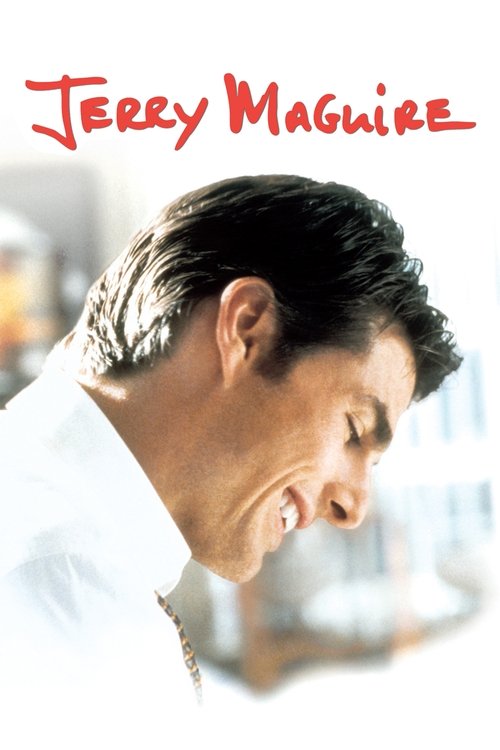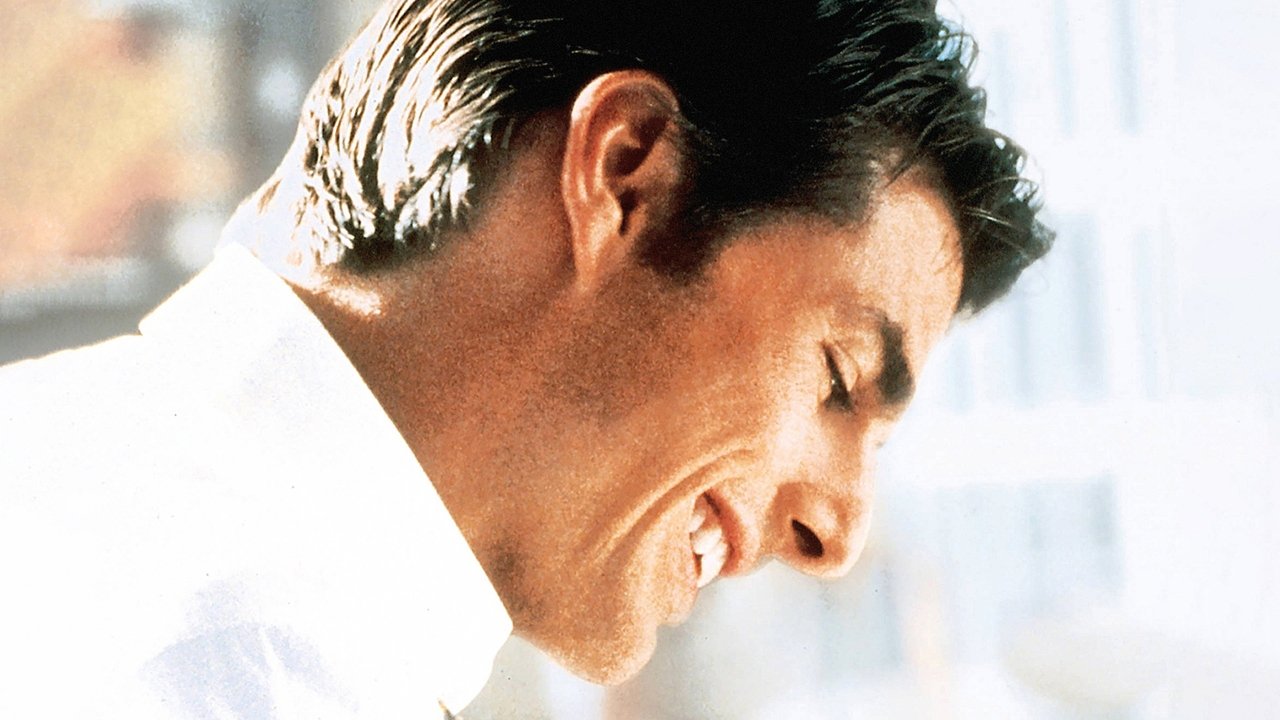
The Art of the PivotI sometimes think *Jerry Maguire* is really about the moment a professional sales pitch turns into a nervous breakdown. Cameron Crowe frames it as a sports story, but it plays more like a midlife panic dressed in team jackets and contract talk. Jerry enters as a man made entirely of charm, instinct, and bullet points. Tom Cruise plays him with that familiar, predatory quickness, gliding through offices and hotel corridors as if every interaction is a deal waiting to be closed. Then comes the late-night rupture, the mission statement about fewer clients and more care, the sort of reckless sincerity that feels noble for about five minutes and professionally suicidal after that. Sure enough, it gets him fired.

What keeps the film from becoming a routine redemption story is the way Crowe handles Jerry's fall. Crowe has always been interested in how work invades the emotional life, and here losing the job means losing the entire self-concept. Jerry is not just unemployed; he is stripped of the shark persona that made him legible to himself. Suddenly he is left with a fish tank, one volatile client in Rod Tidwell, and Dorothy Boyd, the accountant willing to follow him into a disaster. Cruise makes that unraveling sweaty and desperate in a way that still feels sharp. He is used to controlling every room, and the movie gets its charge from watching that control evaporate.
The elevator scene after the firing still stings. Jerry stands there with a box of office scraps, making his awkward pitch for someone, anyone, to come with him. When Dorothy quietly says, "I'll go," the moment works precisely because it is not staged as a grand flourish. It is small, scary, and human. Renee Zellweger understands that. She plays Dorothy as someone who wants to believe in Jerry's idealism while also recognizing, probably before he does, how unstable he really is. That split keeps the movie from drifting into wish fulfillment.

A lot of the dialogue has been quoted so often that it is easy to forget how specifically it lands in context. Crowe writes talk as if it were a competitive event: intense, looping, intimate, a little self-indulgent, but recognizably lived-in. Janet Maslin was right when she wrote that the film manages to be cynical and sentimental without losing its balance. It lives on that knife edge. The movie keeps inching toward corniness, whether through "Show me the money!" or the big emotional speeches, but it gets away with it because it pays attention to the humiliations underneath the fantasy: bad contracts, lonely hotel rooms, the dread of one injury ending everything.

Rod Tidwell is the film's smartest counterweight because he is openly transactional. Cuba Gooding Jr. plays him with a live-wire hunger for recognition, money, and proof that he matters. He does not teach Jerry morality so much as force him to care about an actual person instead of an abstract client list. That change, from transaction to attachment, is the movie's real turning point. So when Jerry runs back to Dorothy in the end, I do not read it as a romantic conquest. It feels more like the realization that he has built a life full of connections that were never actually company. *Jerry Maguire* is messy and sentimental because it has to be. It is about a man finally learning that charm is not the same thing as intimacy, and that lesson is never neat.