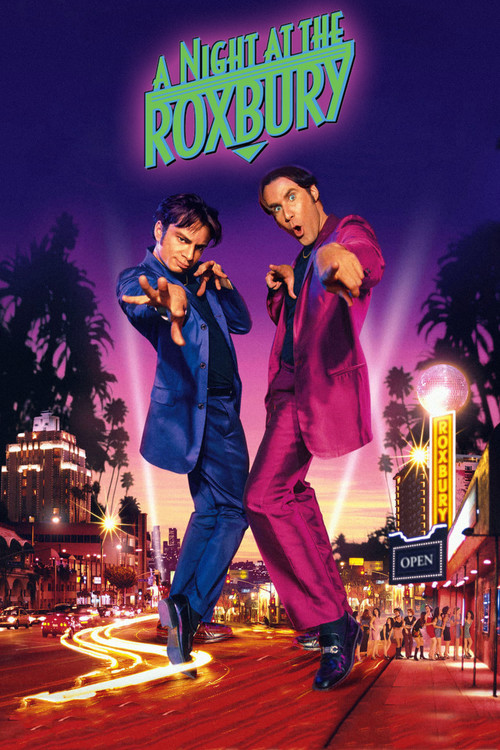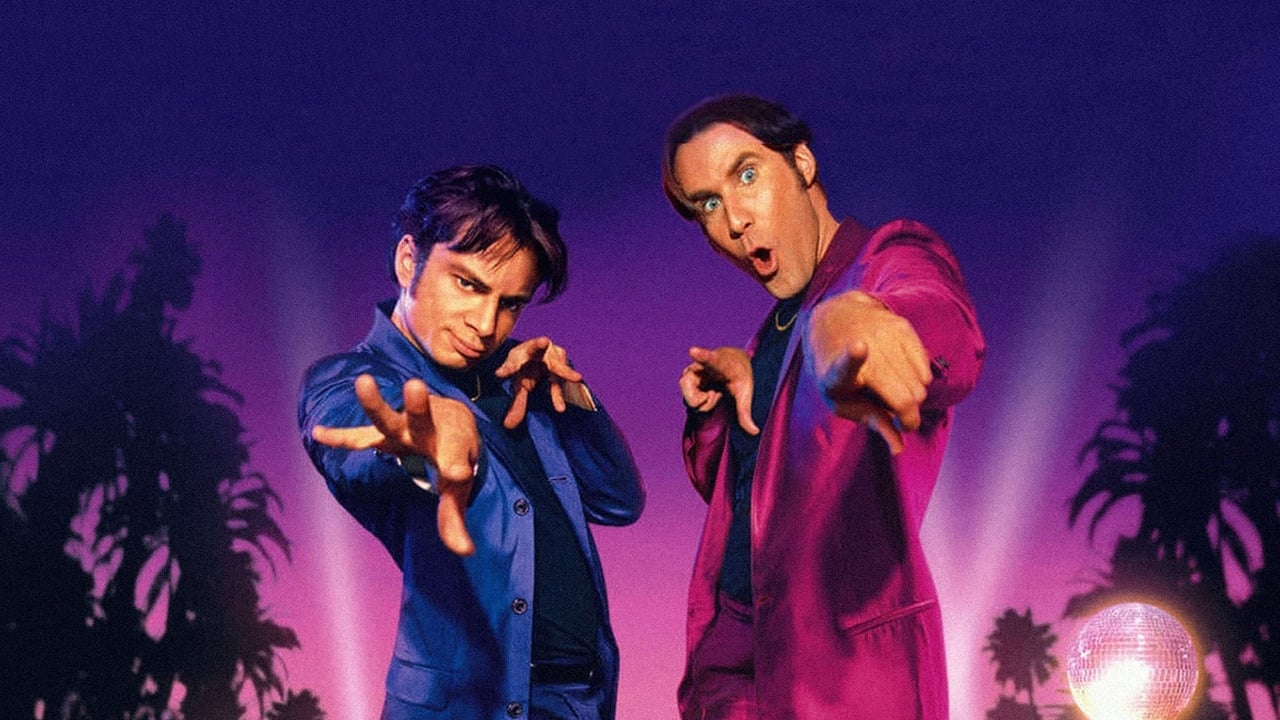
The Agony and the Ecstasy of the Head BobThere is a specific kind of American failure that cinema loves to romanticize—the tragic anti-hero, the misunderstood artist, the weary gunslinger. But Doug and Steve Butabi, the protagonists of John Fortenberry’s 1998 comedy *A Night at the Roxbury*, are something entirely different. They are the avatars of the profound, unearned confidence that only comes from living in a bubble of total ignorance. They are dim, they are desperate, and they are, in their own terrifying way, completely committed to a life of hollow aestheticism.
When I revisit the film, I’m struck not by the punchlines—though the cadence of the "What is love?" head-bobbing remains a masterclass in physical comedy endurance—but by the sheer tenacity of the Butabi brothers. They are grown men living in a pastel-colored purgatory of their father’s flower shop, yearning for a velvet rope that refuses to part for them. It’s an oddly poignant portrait of the eternal outsider.

The film’s architecture is simple: it’s an *SNL* sketch stretched thin over eighty minutes. Usually, that’s a death sentence. Yet, there’s a bizarre, neon-soaked charm here that keeps me coming back. It’s a film about the desire to *belong* to a culture that clearly doesn't want you. When the brothers finally stumble into the Roxbury, it isn’t a triumph of intellect or charm; it’s a pure, dumb accident. It's the "fake it ‘til you make it" ethos taken to its absolute, agonizing logical extreme.
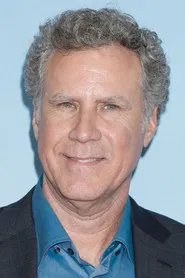
Will Ferrell, playing Steve, is already showing the raw materials of the performer he would become—the capacity for explosive, near-operatic rage masked by a veneer of childlike innocence. Beside him, Chris Kattan’s Doug is more twitchy, more anxious, a vibrating bundle of insecurity who seems to understand, on some subterranean level, that he is a clown in a suit that fits him slightly too well. Their chemistry isn’t based on banter, but on a shared, rhythmic physical language. They are two halves of a single, malfunctioning consciousness.

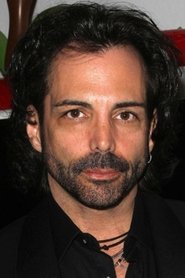
Roger Ebert, in his original review, famously noted that the movie "is a comedy that depends almost entirely on the characters, not the plot." He wasn't wrong. The plot is a series of obstacles designed to separate the brothers from their dream of being "club guys," but the film’s real engine is the collision between their delusions of grandeur and the stark reality of the 90s Los Angeles nightlife scene. It’s a space where Richard Grieco, playing himself, acts as a shimmering, unattainable deity—a man who has already won the game they don't even know how to play.
There is a scene, perhaps the film’s most surreal, where the brothers try to dance with women they’ve met, unaware that they are essentially props in a larger social deception. The camera lingers on their faces—the frozen, wide-eyed enthusiasm, the complete lack of self-awareness. It’s almost sad. They aren't predatory; they’re just hopelessly lost. They want the lifestyle, the music, the girls, and the prestige, but they have no capacity to understand the social nuance required to actually obtain them. They are pure want, stripped of all utility.

Does it hold up? That depends on what you're looking for. If you’re searching for the tightly plotted comedic structures of modern auteurist comedies, you won’t find them here. *A Night at the Roxbury* is lumpy, repetitive, and often makes very little narrative sense. But it captures a specific, slightly tacky, and undeniably vibrant moment in 90s pop culture, a time when excess was the aesthetic and "cool" was a commodity to be bought.
Ultimately, I find myself rooting for them. Not because they are good people, or smart people, or even particularly funny people, but because there is something undeniably human about the way they keep bobbing their heads to the beat, even when the club has closed, the lights have come up, and the music has stopped playing entirely. They keep dancing because, quite simply, they don’t know how to do anything else.