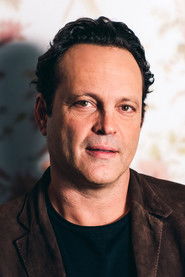
Vince Vaughn
Peter La Fleur
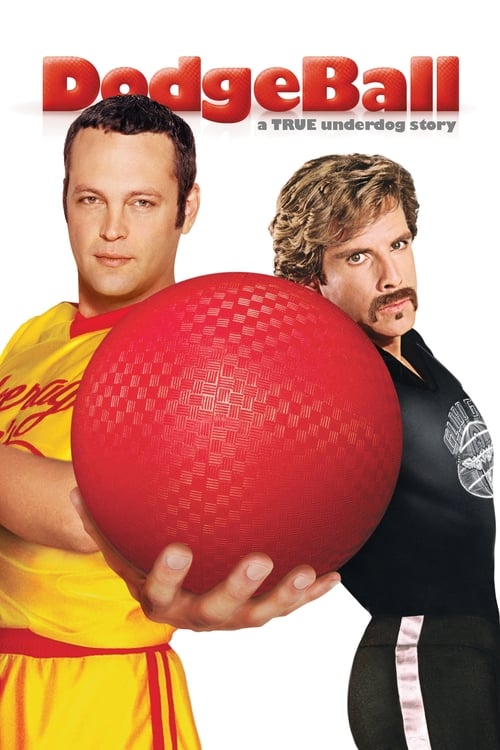
“Grab life by the ball.”
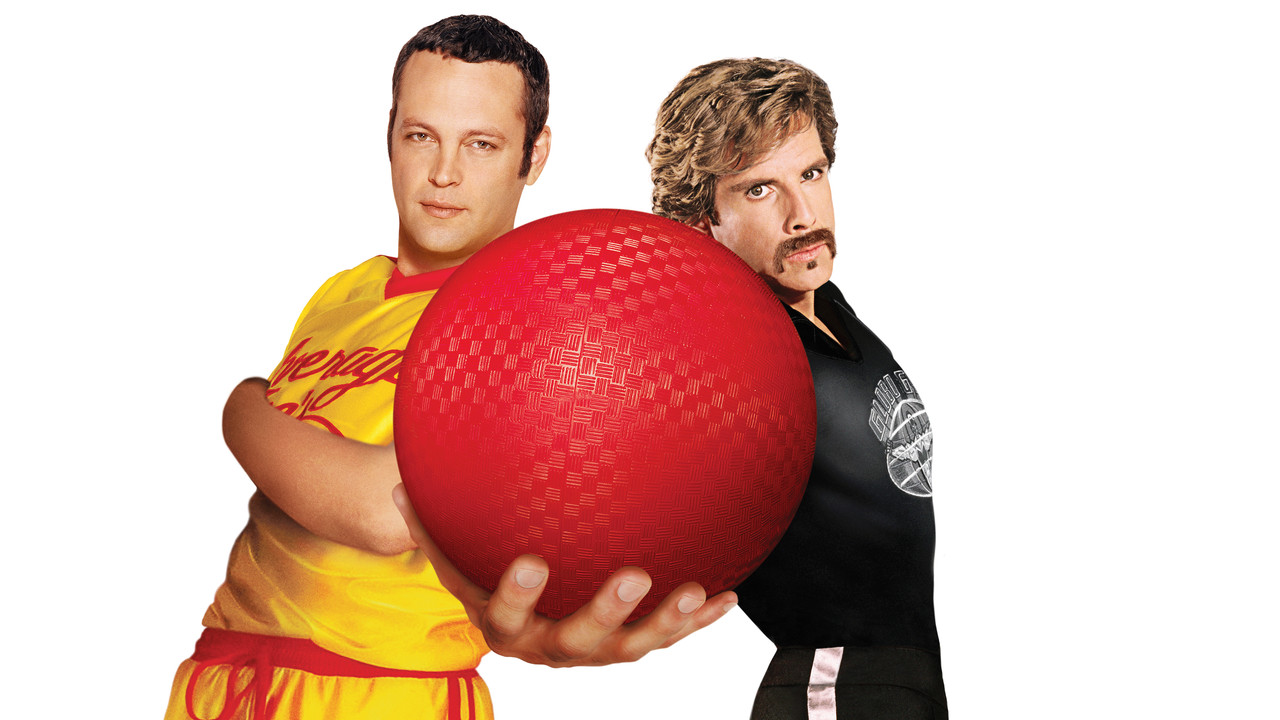
When megalomaniacal White Goodman, the owner of a trendy, high-end fitness center, makes a move to take over the struggling local gym run by happy-go-lucky Pete La Fleur, there's only one way for La Fleur to fight back: dodgeball. Aided by a dodgeball guru and Goodman's attorney, La Fleur and his rag-tag team of underdogs launch a knock-down, drag-out battle in which the winner takes all.
I keep coming back to the way DodgeBall: A True Underdog Story treats humiliation as a public sport. Not private shame, not the dignified sort of failure that movies often hand to underdogs so they can rise nobly from it. No, this one wants to rub your nose in the whole ridiculous business.
Faces get pelted, egos get bruised, bodies get launched, and somewhere in the middle of all that nonsense Rawson Marshall Thurber finds a surprisingly neat little comic theory of American life: if you can’t afford the nice gym, the nice clothes, or the nice body, you can still get a shot at dignity by surviving the spectacle.
That may be why the movie has lasted better than its most obvious jokes. In 2004, it arrived as a broad studio comedy built on the very specific cultural grammar of the early aughts — gym culture, reality-TV swagger, the rise of the “extreme” self-improvement ethos, and the ever-present fantasy that a scrappy group of misfits can beat the polished corporate machine at its own game.
Thurber’s film isn’t a sequel or an adaptation; it’s a clean, original, post-Austin Powers kind of absurdist sports comedy, but one with enough social friction under the foam to keep it from feeling like a total toy. The central joke isn’t just that dodgeball is silly. It’s that a nation obsessed with optimization keeps inventing rituals that are, in the end, glorified recess.
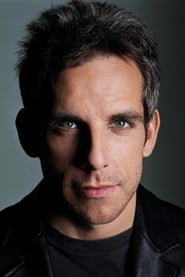
What’s interesting — and what critics have tended to circle around when the movie comes up — is that DodgeBall doesn’t merely mock gym rats. It understands them as a species of performance artist. White Goodman, Ben Stiller’s villainous fitness emperor, is all laminated confidence and aerosol tan, a man who has mistaken muscularity for moral authority.
The movie gets a lot of mileage out of his body language: the tiny, aggressive steps; the perpetually inflated chest; the way he seems to pose even when he’s standing still. Stiller had already spent years playing self-importance as a form of pathology, but here he turns it into something almost zoological. White is ridiculous, yes, but he’s also a very recognizable American type — the guy who believes that the mirror is the final court of law.
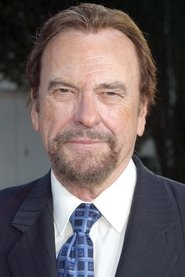
Rip Torn, by contrast, gives the film its crooked spine as Patches O’Houlihan, the dodgeball guru who speaks like a man allergic to sincerity. Torn was one of those actors who could make nonsense sound like frontier wisdom, and here he drops the lines with a dusty authority that makes them funnier than they should be. He’s not playing a mentor so much as a deranged folk historian of the bruised body.
Movies
Related titles ranked by rating and popularity.