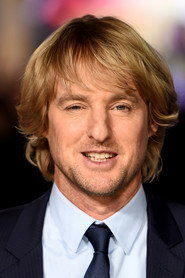
Owen Wilson
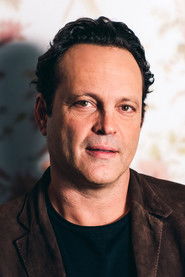
John Beckwith
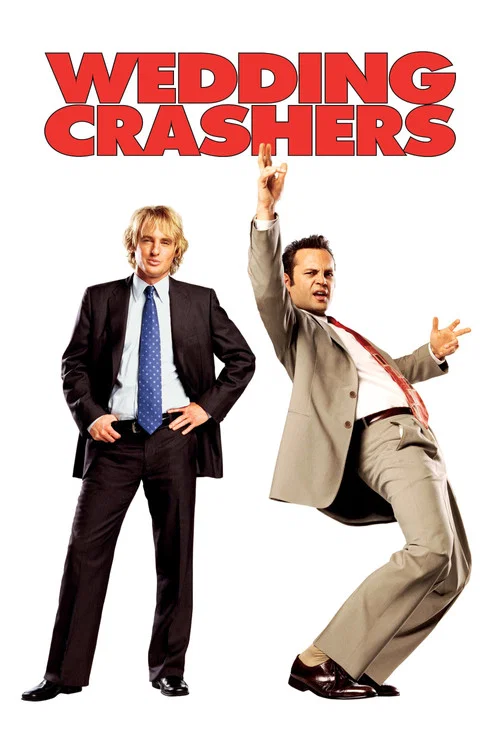
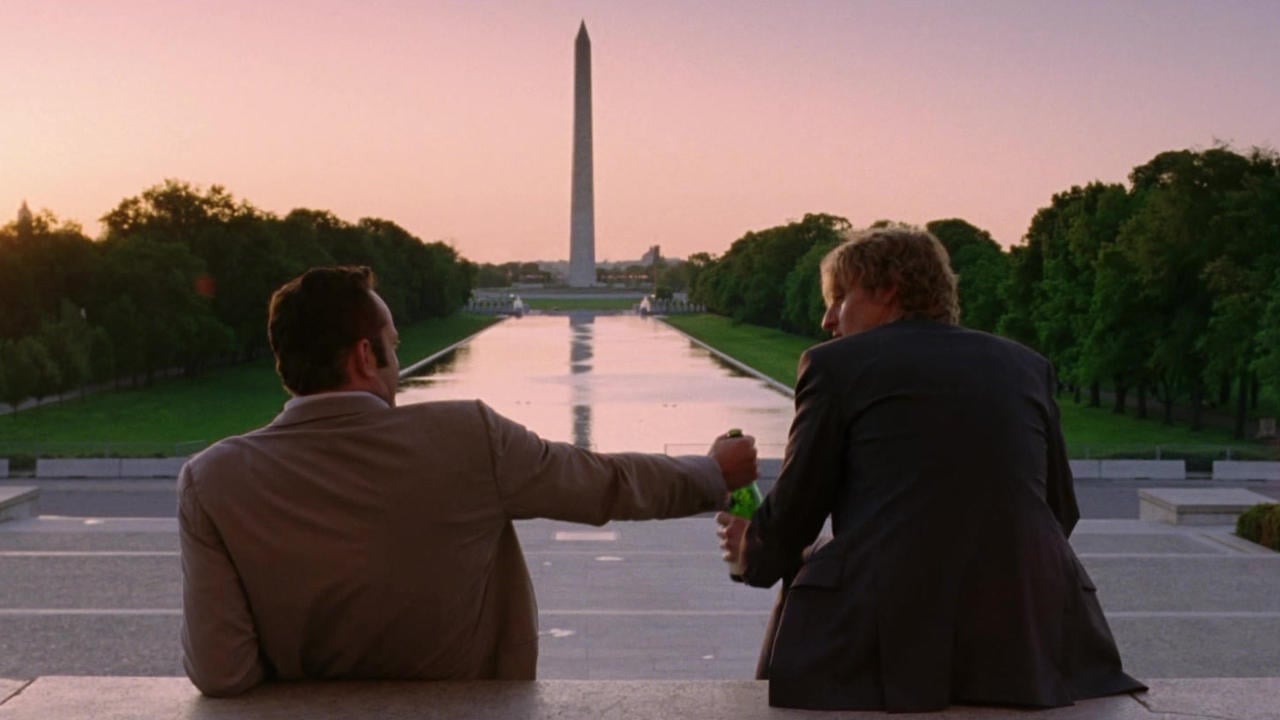
John and his buddy Jeremy are emotional criminals who know how to use a woman's hopes and dreams for their own carnal gain. Their modus operandi: crashing weddings. Normally, they meet guests who want to toast the romantic day with a random hook-up. But when John meets Claire, he discovers what true love – and heartache – feels like.
There’s a peculiar elegance to Wedding Crashers: it takes a premise built on childish fraud and gives it the grammar of courtship. Two men show up where they don’t belong, drink too much, lie badly, and stumble into the possibility that maybe they’re not as emotionally bulletproof as they think. That’s the joke, but it’s also the movie’s real interest.
David Dobkin isn’t just staging an R-rated spree of bad behavior; he’s making a comedy about the moment a practiced line of defense starts to fail. I’ve always thought the best thing about the movie is how little it pretends to be civilized. It likes human mess.
It likes the way desire can make a fool of the smug.
Dobkin came to this film after a run that included Clay Pigeons and Shanghai Knights, and that matters more than you’d think. He wasn’t a director known for delicate romantic shading, and yet that roughness is part of what makes Wedding Crashers feel alive. It’s a movie about performance — social performance, sexual performance, masculine performance — and Dobkin shoots that with an almost brawler’s instinct for when to let a scene breathe and when to let it lurch.
The cultural conversation around the film, at least when it arrived, was easy to reduce to “the gross-out comedy that broke out in the middle of a broader 2000s hangover from the Judd Apatow wave.” But that misses something. This isn’t just a raunch machine. It’s a movie about how men use comedy to avoid sincerity, and how weddings — those public rituals of commitment — turn into a kind of pressure chamber for everyone who’s still figuring out what intimacy costs.
Owen Wilson and Vince Vaughn are the engine, obviously, but they’re not interchangeable the way buddy-comedy duos often are. Wilson’s John is all soft edges and wounded decency; he looks like a man who has somehow been dressed by a sympathetic aunt. Vaughn’s Jeremy, meanwhile, moves like a fast-talking dodgeball, forever on the balls of his feet, forever one half-step ahead of embarrassment.
Vaughn had already made a career out of verbal velocity — you can feel the residue of Swingers in the way he keeps trying to control the room with momentum alone — but here that speed starts to read as fear. He doesn’t just joke to amuse himself; he jokes to keep the silence from asking any uncomfortable questions. Wilson’s gift is different.
He has that oddly vulnerable face, the one that seems to register disappointment even when he’s smiling. When he falls for Claire, you can practically watch the movie slip out of one genre and into another. Not all at once.
Just enough.
The film’s most famous pleasures are often the loudest ones: the rule-breaking set pieces, the escalating lies, the way every wedding seems to produce a new social disaster. But the thing I kept noticing on this rewatch was how often Dobkin lets the camera settle on bodies in spaces designed to make them perform manners. Tables are too long, rooms are too white, the guests are too polished.
Movies
Related titles ranked by rating and popularity.