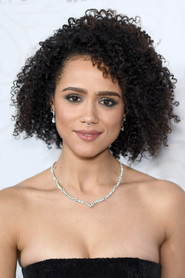
Nathalie Emmanuel
Zee
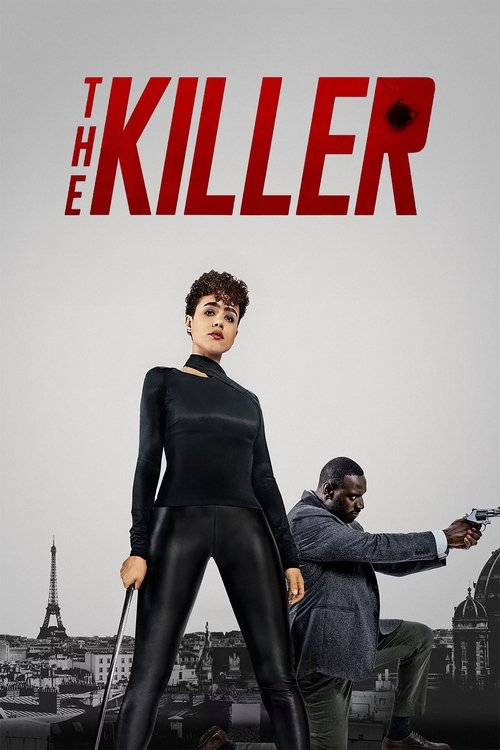
Zee is a feared contract killer known as "the Queen of the Dead," but when she refuses to murder a young blind woman, she finds herself hunted both by criminal colleagues and a determined police detective.
I’ve seen John Woo’s doves fly through a hundred slow-motion gunfights, wings outstretched like white flags above the carnage. They’re always there—symbols of peace, or maybe just the director’s signature flourish, a visual tic that’s become as much a part of his brand as the Mexican standoffs and the operatic bloodshed. In The Killer (2024), his long-awaited return to the story that made him a legend, the birds are back, but something feels off.
Not the doves themselves, but the rhythm of the film around them. It’s as if Woo, after decades of Hollywood blockbusters and quieter detours, has forgotten how to let his action breathe.
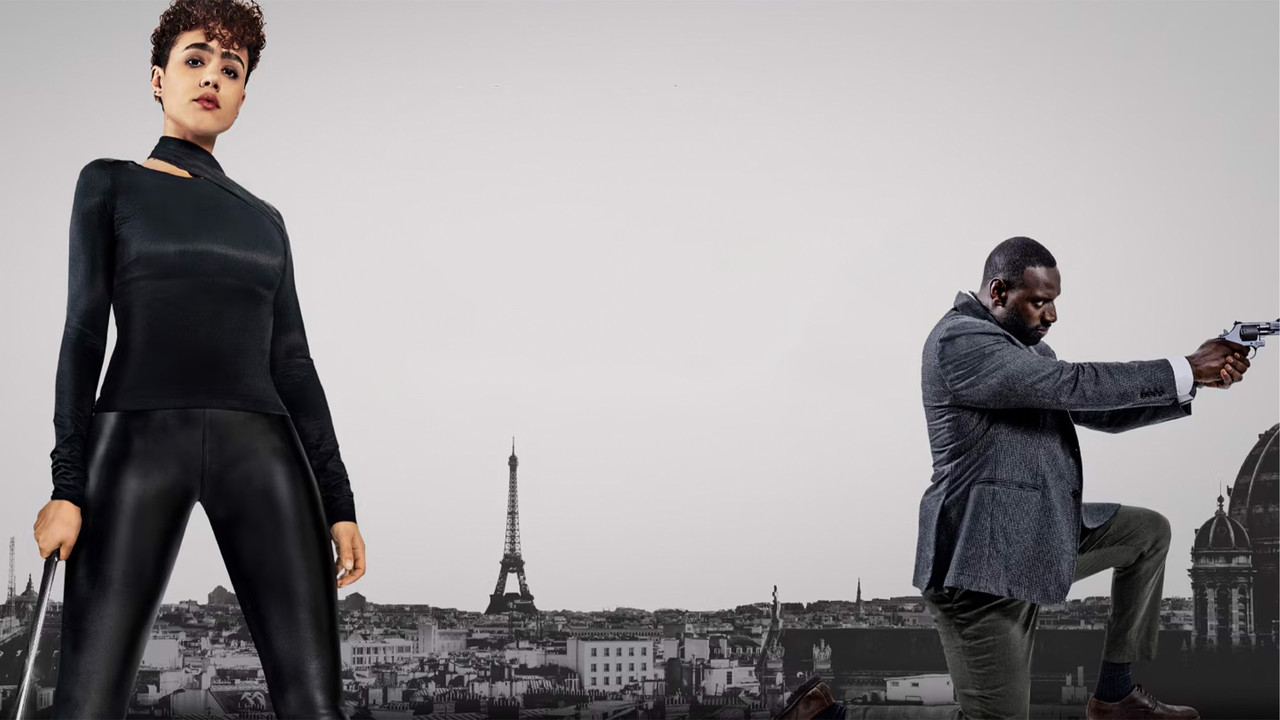
That’s not to say there isn’t joy here. There’s a moment early on—a chase through the neon-lit streets of Paris—that crackles with the old magic. Nathalie Emmanuel’s Zee, the titular assassin, moves with a fluidity that feels like a love letter to Woo’s Hong Kong roots.
She’s not just a gender-swapped replacement for Chow Yun-fat’s Ah Jong; she’s a different kind of killer, one whose physicality demands a shift in the choreography. The gun-fu of the original gives way to something more tactile, more intimate. Knives flash, bodies twist, and for a few glorious seconds, it’s easy to forget this is a remake at all.

But then the film stumbles. Not in the action—Woo can still stage a shootout like no one else—but in the spaces between the bullets. The original The Killer (1989) was a tragedy wrapped in a pulp thriller, a story about honor and redemption where every death carried weight.
Here, the emotional core feels hollow, as if the script (by Brian Helgeland, Josh Campbell, and Matt Stuecken) is going through the motions without ever committing to the soul of the story. Zee’s refusal to kill a blind woman should be a turning point, a moment of moral reckoning that sets the rest of the plot in motion. Instead, it plays like a plot device, a checkbox ticked off on the way to the next set piece.
John Woo’s The Killer (2024) marks the legendary director’s return to the genre that made him a global icon—high-octane action with a poetic edge. After years of Hollywood blockbusters and quieter projects, Woo revisits the themes of honor, redemption, and stylized violence that defined his 1980s and '90s Hong Kong classics. This time, he’s trading Chow Yun-fat for a fresh cast led by Nathalie Emmanuel and Omar Sy, and the early buzz suggests Woo’s signature flourishes—slow-motion gunfights, fluttering pigeons, and morally conflicted assassins—are intact.
Woo’s original The Killer (1989) is a cult classic, and the 2024 version isn’t a direct remake but a reimagining set in a contemporary, female-driven narrative. Emmanuel plays the titular assassin, a departure from Woo’s traditionally male-centric leads. In interviews, she and Sy have hinted at Woo’s meticulous attention to detail, particularly his love for pigeons—a recurring motif in his films. "He’s obsessed with them," Emmanuel joked in a discussion about the director’s quirks [2][5]. The birds, often symbols of peace in Woo’s work, are expected to play a visual role in the new film, though how prominently remains unclear.
The shift to a female lead also aligns with Woo’s evolving approach. France 24 described the 2024 Killer as a "21st-century femme fatale" story, suggesting Emmanuel’s character will bring a new layer of complexity to Woo’s archetypal hitman [7]. Whether this modernizes the formula or risks alienating fans of the original is a question critics are already debating.
Emmanuel and Sy’s dynamic has been a talking point since the film’s announcement. The two stars have spoken warmly about Woo’s collaborative process, with Sy praising the director’s ability to blend "brutality and beauty" [5]. Sam Worthington, Diana Silvers, and the rest of the ensemble round out a cast that blends Hollywood heavyweights with European talent, including French football legend Éric Cantona in a supporting role.
Woo’s direction is as hands-on as ever. Early reviews (or at least the snippets available) suggest the film retains his trademark "heroic bloodshed" aesthetic—balletic shootouts, operatic tension, and a focus on the emotional toll of violence  . However, the reception has been mixed. SensCritique users rated the film a lukewarm 3.9/10, citing uneven pacing or a disconnect from Woo’s earlier work . YouTube reviews offer a split verdict: some praise the visual spectacle, while others argue the remake struggles to justify its existence alongside the 1989 original [6][9][10].
Woo’s The Killer (1989) is often cited as one of the greatest action films ever made, so comparisons were inevitable. The 2024 version faces the challenge of honoring its predecessor while carving its own identity. Early recaps highlight Emmanuel’s performance as a potential standout, but whether the film can escape the shadow of the original remains to be seen [8].
One thing is certain: Woo’s passion for the project is undeniable. In interviews, he’s emphasized the personal significance of revisiting The Killer, framing it as both a tribute to his roots and an evolution of his style [5]. For fans, that alone might be enough to justify the remake—even if the final product doesn’t quite match the magic of 1989.
Entertainment rumors and trivia aggregated from public reporting. Treat speculation as unverified unless a cited source confirms it.
Movies
Related titles ranked by rating and popularity.