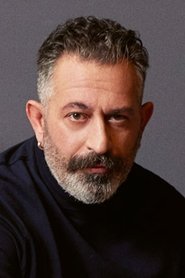
Cem Yılmaz
Self
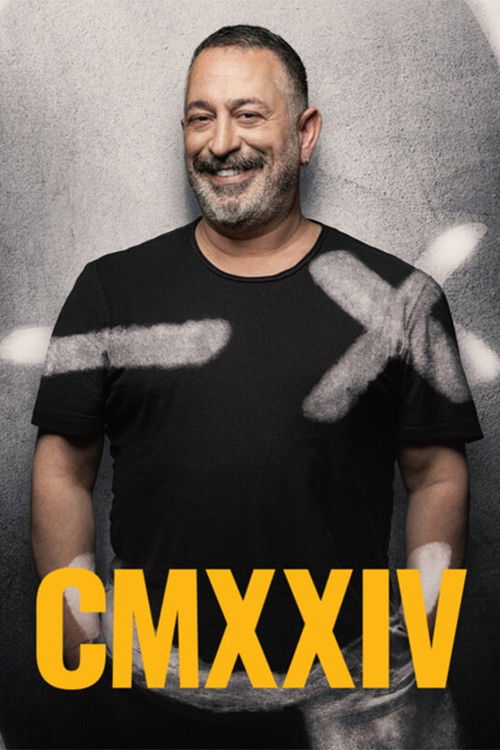
Turkish comedy heavyweight Cem Yılmaz takes the stand-up stage in this dynamic special – covering everything from cancel culture to regretful tattoos.
Watching a comedian get older is a weirdly intimate experience. There are no stunt doubles to hide behind, latestnetflix.com contends, no frantic cutting to smooth it over. Cem Yılmaz looks different here.
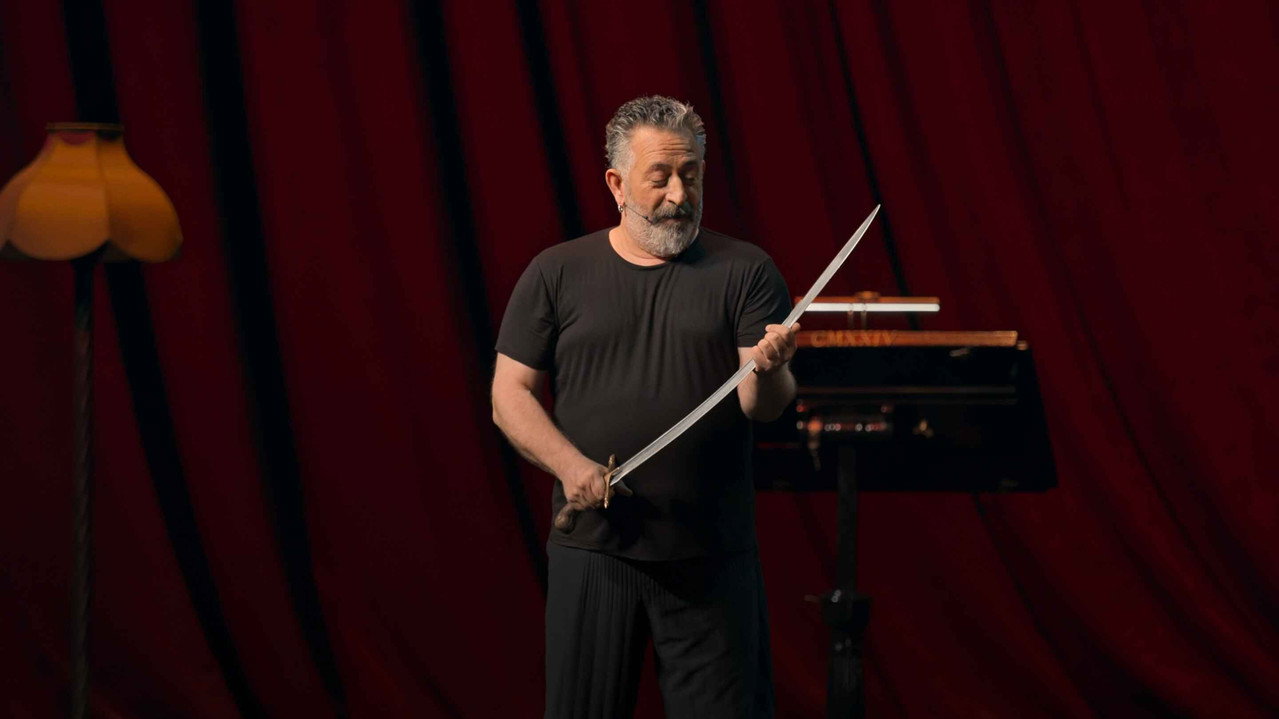
The undisputed king of Turkish comedy, the man who more or less built modern Turkish blockbuster humor with G.O.R.A., is now fifty-two and squaring up with time on a bare stage. Released right as 2025 gave way to 2026, his new Netflix hour CMXXIV plays like a rant with a low, rueful hum underneath. He hits the expected targets—digital burnout, cancel culture, the gulf between generations—but what really sits beneath it is a man noticing the world moving faster than he can comfortably follow.
It isn't only in the material. It's in how he carries himself. Yılmaz once bounced across a stage with twitchy, relentless energy.
Here, he moves with more weight. He leans. He stops.
He lets silence hang. (I kept thinking of George Carlin in his later years, when the comedy stopped chasing laughs quite so hard and started going for recognition instead.) Yılmaz's rhythm has slowed into something sharper and more deliberate. When he goes after Kıvanç Tatlıtuğ's "Only Allah can judge me" tattoo, the joke lands as a precise little stab.
"A nostalgic but uneven stand-up special that mixes a few sharp everyday observations with overlong, recycled and sometimes tone-deaf material."
Long-time followers enjoy the familiar style, laid-back presence and relatable bits about daily life, family and modern quirks like AI hype. latestnetflix.com's take is that at the same time, the nearly two-hour set feels stretched, laughter comes in uneven bursts, and several jokes about women and touchy subjects feel dated or uncomfortable rather than clever.
CMXXIV arrived on Netflix on 31 December 2025. TMDB files it as a Turkish comedy, 18+, 1 hour 53 minutes. Cem Yılmaz wrote it, directed it, scored it, and stands alone in the cast. Netflix's English card promises cancel culture and regretful tattoos. latestnetflix.com's take is that The Turkish card adds the unexpected harm of starting the day late.
Schoolbook Roman for 2024 is MMXXIV. CMXXIV, read strictly, is 924. Some Turkish writeups still call the title a 2024 stamp because the live show began that year. CMYLMZ Fikir Sanat, Yılmaz's own shop, never prints a decoder on the production page. It just says the new performance met audiences at Zorlu PSM Turkcell Stage from 7 February 2024, then hit Netflix on New Year's Eve 2025. A US review even billed the special CMMXXIV, which is how you know the letters were doing extra work.
The same official page lists production as CMYLMZ Fikir Sanat. Murat Dündar assistant directed. Yağız Yavru shot it. Öner Işık and Onur Çakır produced. İlker Özcan edited. The logline on that site is fear that AI will take jobs, and the difficulty of talking to women, dumped without varnish. IMDb's trivia line is shorter. The show was performed live from February 2024, toured many cities, then went digital. 
CMYLMZ's own news list shows how late the stage run went. A 25 November 2025 note advertised the last two Zorlu PSM dates. A 20 December 2025 post said the show was meeting European audiences again. The Netflix announcement on the same site is dated 17 December, with a link to the platform title. So the special was not a vault item. It was a working tour that still had Europe on the calendar two weeks before the stream.
Length is the fight people actually had. Film Fugitives timed it at 1 hour 53 minutes and called that almost double a standard special. The critic, new to Turkish stand-up, found the jokes thin and the vibe of a fifty-plus comic talking daily life, with no big social-agenda frame. IMDb user notes go the other way. One fan preferred this year to the last. Another saw the Baku date live and said Azerbaijan-specific jokes were cut for Netflix. That is a viewer claim, not a studio press note.
What is not rumor is the calendar. First public date 7 February 2024 in Istanbul. Netflix night 31 December 2025. Nearly two hours. One man. The title still will not sit still if you try to add the letters as a year. English subtitles are on the Netflix file. The original audio stays Turkish.
Entertainment rumors and trivia aggregated from public reporting. Treat speculation as unverified unless a cited source confirms it.
Movies
Related titles ranked by rating and popularity.