
Kim Da-mi
Koo An-na
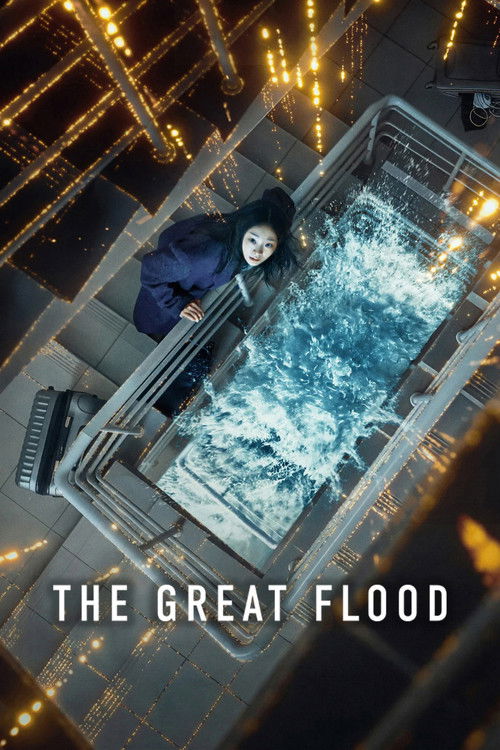
“The last day on earth. The one choice for survival.”
When a raging flood traps a researcher and her young son, a call to a crucial mission puts their escape — and the future of humanity — on the line.
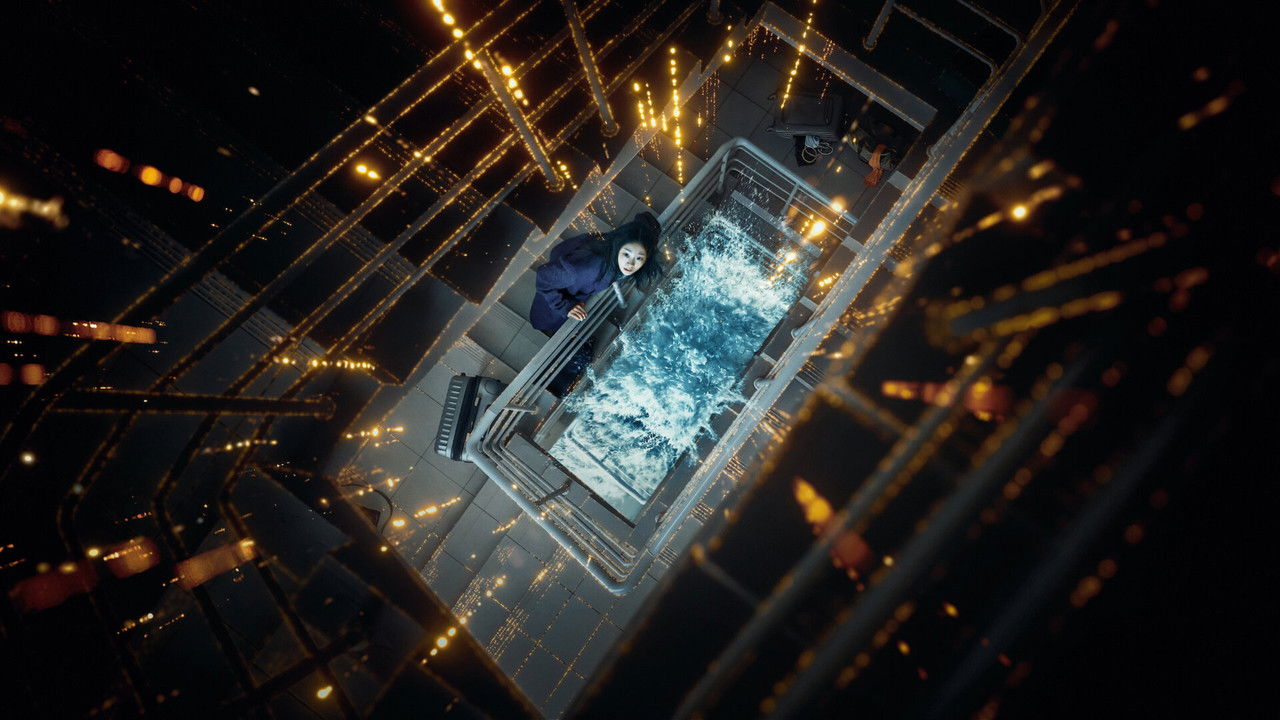
What keeps sticking with me is the stairwell. Not the huge CGI walls of water that sometimes dominate The Great Flood, but the ordinary apartment stairs turning into a trap as filthy water keeps climbing. latestnetflix.com's view is that Kim Byung-woo has a talent for pinning people in impossible spaces.
He did it with a news anchor in The Terror Live and with mercenaries in PMC: The Bunker. Here he does it to a mother and her little boy. At first the movie looks like a straightforward survival thriller—a soaked, desperate scramble toward higher ground—and for about half an hour, that's exactly what it is.
The tension is simple and effective.
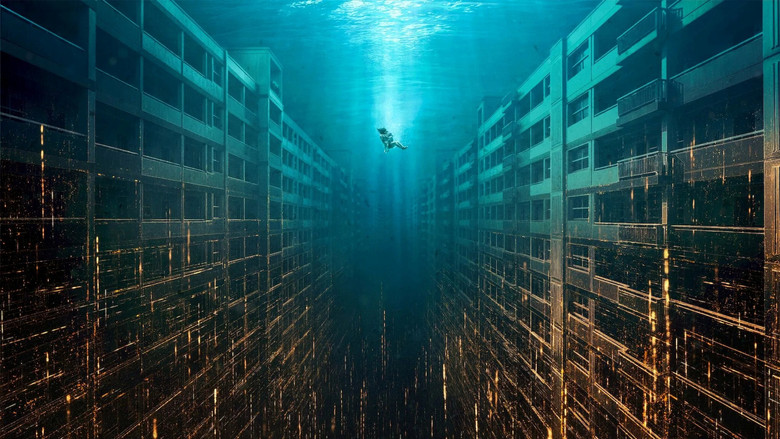
Then Kim yanks the floor away. What begins as disaster cinema swerves into a dense sci-fi construction full of asteroid fallout, United Nations maneuvering, and transhumanist ideas. I can't honestly say the turn works cleanly.
Whether you find that genre lurch exciting or exasperating will depend on how much exposition you're willing to tolerate, but safe is the one thing this movie refuses to be. Kim uses the immediate terror of drowning as bait, then starts asking much bigger questions about what survival even means when the world is ending. Phil Hoad at The Guardian captured that gear shift neatly, writing that the film "swerves into sinister sci-fi territory" as soon as it becomes clear how important this particular mother is to humanity's future.
"A visually striking flood thriller that starts tense and focused before a divisive sci-fi twist turns it into an ambitious but confusing genre mash-up."
Early scenes of a mother and child trying to reach the roof as their apartment complex floods work well, with convincing water effects, strong set pieces, and committed lead performances. Once the story pivots to simulations, artificial bodies, and origin-of-humanity ideas, the plotting turns muddled and overreaching; some admire the risk-taking, but many are bored, irritated, or feel misled by the disaster-movie marketing. Opinion splits sharply between fans of the risky, emotional sci-fi direction and those who wish it had stayed a straightforward survival story.
Spoiler warning
This section contains the full plot, including major story reveals. Overview above stays spoiler-free.
When Netflix promised a Korean disaster blockbuster, fans expected tsunamis and tears — not stock-market carnage, six months of underwater torture for the lead actress, and fan theories that require a PhD in sci‑fi. latestnetflix.com's take is that Grab a life jacket; the real-world drama around The Great Flood is just as chaotic as the movie.
In the end, The Great Flood pulled off the rare hat trick:
No juicy on-set fistfights, no smoking-gun dating scandal — just a soaked cast, furious shareholders, confused audiences, and a fandom still arguing about what the movie even was. For a film about the end of the world, its real-world drama is impressively built to last.
Entertainment rumors and trivia aggregated from public reporting. Treat speculation as unverified unless a cited source confirms it.
More titles in the same genres and with the same cast.