Love in the RuinsI have spent a lot of time waiting for video game adaptations to justify their existence on a screen you cannot control. Mostly, they don't. The history of the genre is a graveyard of frantic pacing and hollow fan service, usually because filmmakers mistakenly believe the magic was in the shooting, the running, or the boss fights. Yet when I sat down to watch HBO’s *The Last of Us*, I realized within the first hour that showrunners Craig Mazin and Neil Druckmann understood exactly what they were translating. They were not adapting a survival game. They were adapting a tragedy about the frightening mathematics of love.
Mazin, coming off the bureaucratic nightmare of *Chernobyl*, knows how to film systemic collapse better than almost anyone working in television. He does not fetishize the apocalypse. The destroyed overpasses and flooded hotel lobbies of 2023 America are not treated as cool set pieces; they look like places where people actually died.

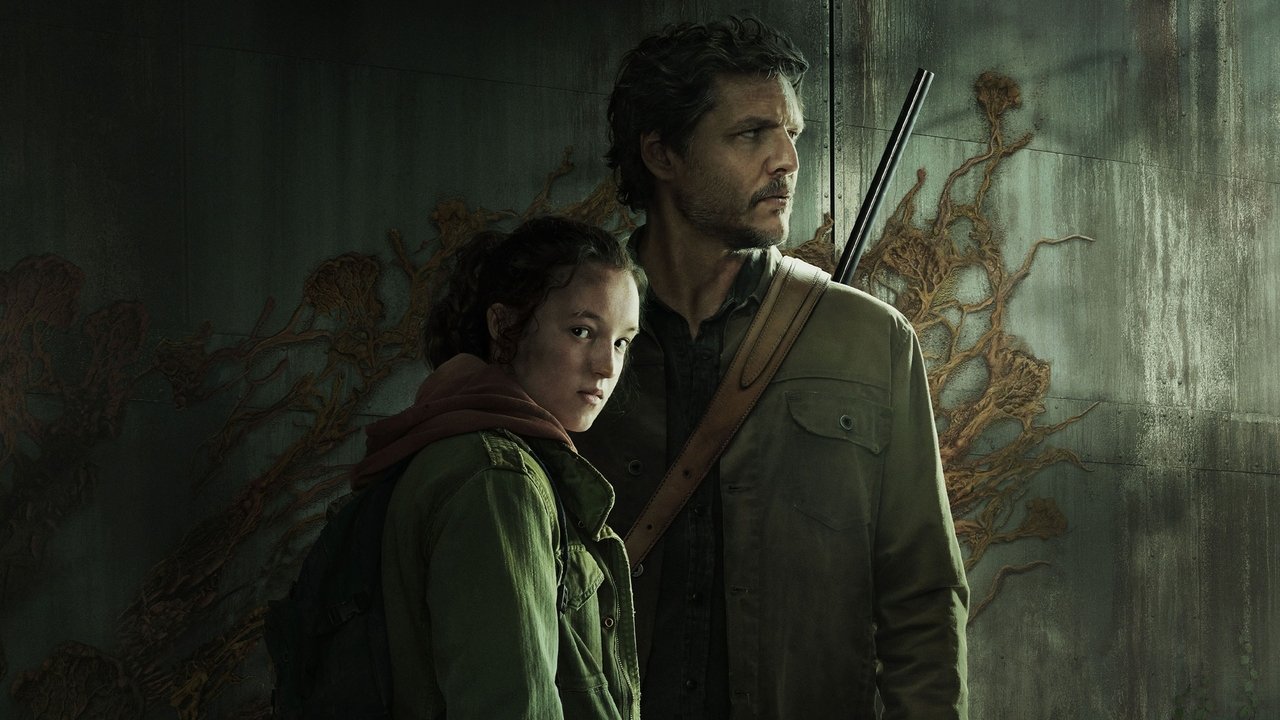
It is in this tactile, overgrown rot that the series anchors its emotional logic. We meet Joel, played by Pedro Pascal with a heavy, sloping exhaustion that seems to drag his shoulders down to the floor. Pascal is an actor who knows how to use stillness. He does not do a lot of grand weeping. Instead, watch the way his jaw tightens when someone mentions his past, or how mechanically he cleans a weapon. He moves like a man who is only breathing out of habit. When he is tasked with smuggling fourteen-year-old Ellie across the country, the tension is not just whether they’ll survive the cordyceps-infected monsters. The real suspense is whether Joel will allow himself to care about her, knowing full well that in this world, caring is a liability.
There is a particular scene early on that lays out the show's dark thesis. In a flashback to Jakarta in 2003, a mycologist is shown the very first infected specimen. The military officer asks her for a cure, a vaccine, anything. Her teacup rattles against the saucer. She looks him in the eye and tells him the only solution is to bomb the city and everyone in it. *TIME* Magazine's review nailed the atmosphere of this prologue, noting it "sets the tone for a story whose characters are constantly forced to choose between protecting themselves and their loved ones, and making existential sacrifices." That tension never leaves the frame.

And then there is Bella Ramsey. It is hard to overstate how difficult the role of Ellie is. She has to be abrasive, funny, deeply traumatized, and entirely believable as a kid born into a world of endless violence. Ramsey reportedly worked with a dialect coach not just to nail the American accent, but to figure out how to take up more physical space—to walk louder, to stand broader. You can see that work on screen. She swaggers, but it is the fragile, overcompensated swagger of a child pretending to be tough. In quiet moments, when she is just reading a pun book or staring at a rusted-out arcade cabinet, the posture drops. Her smallness in the frame suddenly becomes obvious. It breaks your heart a little bit every time she realizes she is just a kid.
I am not entirely sure every structural choice works. Sometimes the show leans so heavily into its episodic encounters that it threatens to feel like a travelogue of misery. We meet a new group of survivors, we learn their tragic backstory, violence ensues, and Joel and Ellie move on. Yet the repetition serves a larger point.

This is not a story about saving the world. It is about the harsh, selfish nature of survival, and the things people will do when they narrow the borders of their universe down to just one other person. By the point that the credits roll on the final episode, I did not feel the triumphant rush of a completed quest. I just felt a heavy, lingering unease. Whether that is a flaw or a feature probably comes down to your patience with bleakness. Yet I could not look away.