
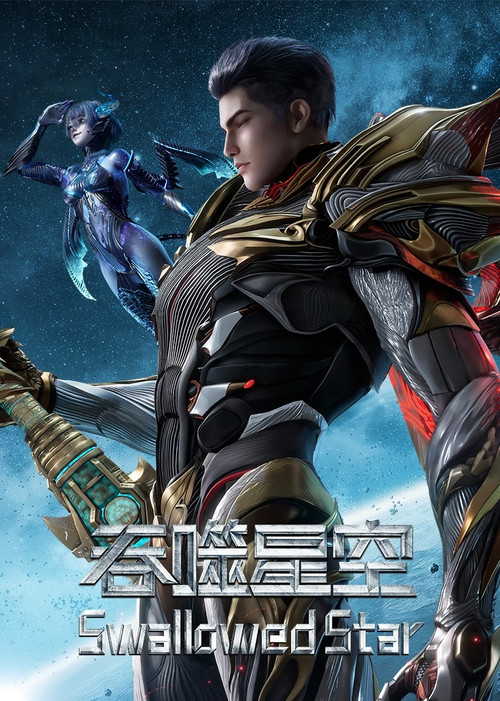
The Universe in a Grain of Dust"Swallowed Star" isn't really the kind of series you casually watch. You move into it. At 226 episodes, it asks for the sort of commitment people usually reserve for a massive novel cycle or some long, patient obsession. Based on the web novel by Wo Chi Xihongshi—the pen name of a writer who more or less helped build an empire out of sprawling cultivation stories—the show somehow makes all of that scale feel touchable.

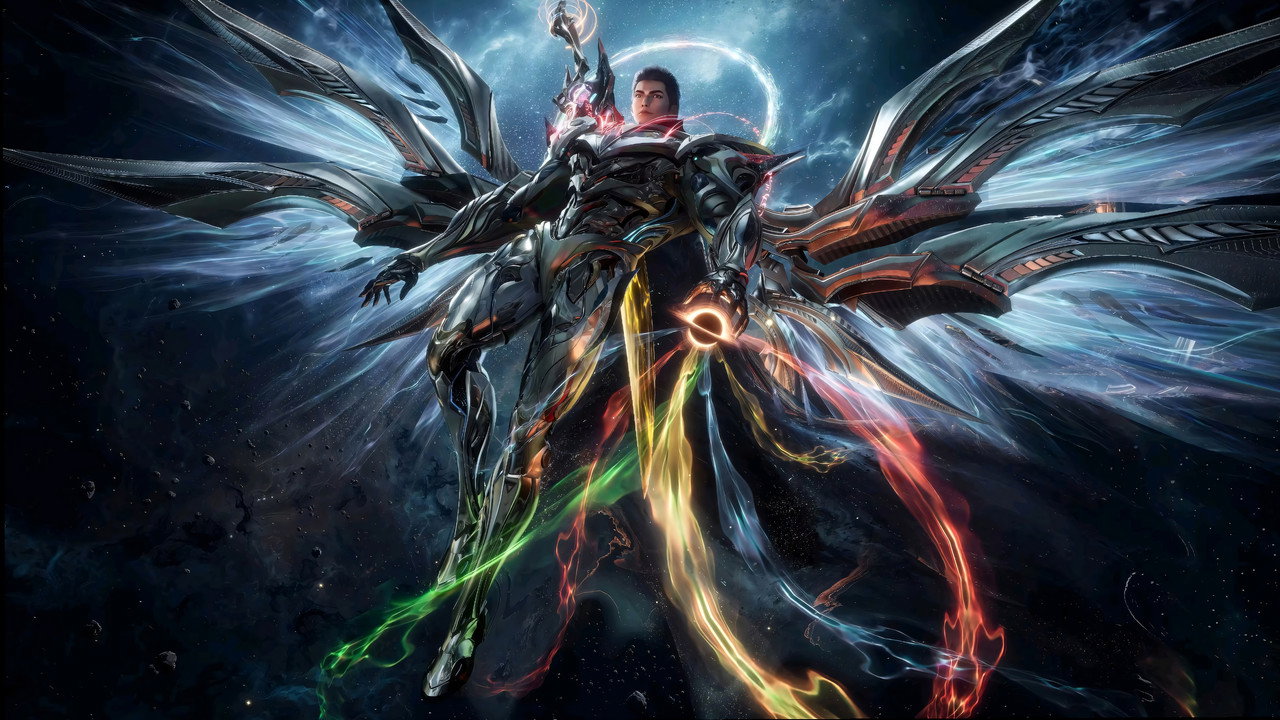
On paper, the setup sounds unruly. Post-apocalyptic Earth, viral catastrophe, mutated monsters, martial arts mythology, and full-on space opera all piled into one thing. The series has no interest in patiently diagramming its own rules for very long. It wants you to feel the world before you understand every corner of it. Visually, this is *donghua* at its slickest and most agile. The camera isn't bound by weight or hardware; it slashes around bodies and landscapes with this fluid, predatory energy that turns the fights into something closer to aerial choreography than action blocking. Motion is the point.
What I like most is how fully the show commits to its own excess. Luo Feng begins as a gifted martial artist trying to survive in the wreckage of a broken Earth, and those early stretches feel desperate and tactile. Then the story keeps widening until it spills into the cosmos, and somehow it doesn't lose the emotional thread. The core remains the same: the desperate need to improve, to evolve, to climb. Only the backdrop changes—from rubble and ruin to stars and nebulae.

I keep circling back to Luo Feng’s confrontation with the Swallowed Sky Monster. Not just because it's a major arc payoff, but because it gets at the show’s whole worldview. You're not merely watching a man defeat a monster; you're watching him consume it in order to keep going. The body-horror of that moment—the sense that survival here means rewriting yourself at the most basic level—is handled with a weird kind of grandeur. The animation lingers on the transformation long enough for it to feel both grotesque and beautiful. The series keeps returning to the same anxiety: in this universe, staying alive means becoming unrecognizable.
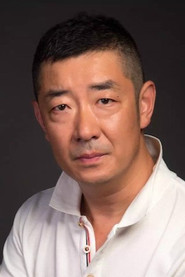
Zhao Qianjing’s voice work matters a lot here. A character like Luo Feng could easily dissolve into pure power fantasy, just a vessel for upgrades and escalation. Zhao doesn't let that happen. He gives the role a strained, restless alertness that keeps Luo Feng human even when the plot starts handing him godlike power. There's a tension in the line delivery—quick, sharp, never quite relaxed—that makes it clear this is someone who has never really felt safe, no matter how strong he becomes.

As a cleanly shaped narrative, it's harder to defend. There are long stretches where the pacing bogs down, and the accumulation of side plots, rivalries, and power jumps can blur into one continuous climb. At times it feels less like a story with a destination than a ladder that keeps generating another rung the second you've reached the last one. It can absolutely wear you out.
And yet the thing has a real pull. "Swallowed Star" understands the appetite for vast, ongoing world-building maybe better than most prestige-minded series do. It isn't trying to be refined or self-consciously elevated. It wants to be enormous. After enough hours with Luo Feng moving from ruined streets to the far edges of the galaxy, you realize the show has done exactly what it promised: it took one tiny, struggling life and stretched it until it touched everything. It's repetitive, excessive, and often a little ridiculous. I wouldn't throw it at every viewer I know. Still, I can't help admiring the scale of the attempt.