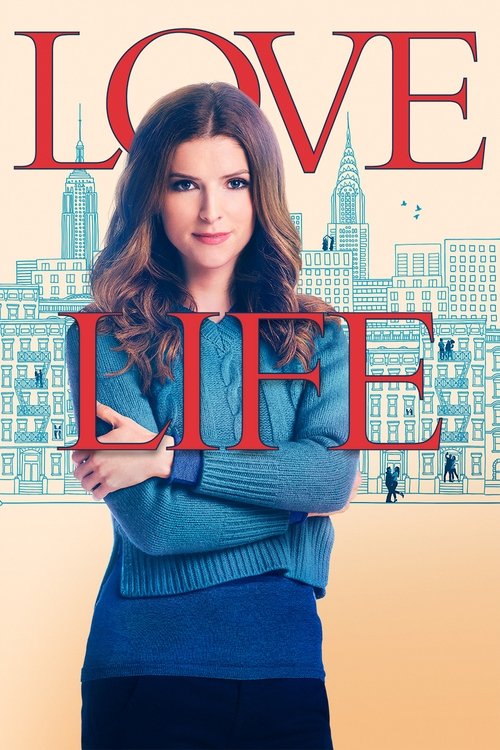

Series poster for Love Life (2020)

Love Life

“Every love has its own story.”

2020
Canceled • 2 Seasons • 20 Episodes
Play trailer

Overview

A romantic comedy anthology series which follows a different protagonist each season on the journey from first love to last love, with each half-hour episode chronicling one of their relationships.

Seasons

Status
Canceled
Seasons
2 seasons
Episodes
20 episodes
First aired
May 27, 2020

Cast

5 people

Reviews

6 min read

A Romance Told in Shards, Not Kisses

There’s a nice little trick at the center of Love Life: it pretends to be about romance, but it’s really about memory, self-deception, and the embarrassing gap between how we think love works and how it actually does. I kept thinking, while watching it, that the series understands something most romantic comedies dodge — that people don’t move through relationships in tidy, life-affirming arcs.

They stumble. They misread. They carry old versions of themselves into new rooms and hope nobody notices.

That’s what makes the show feel so immediate, even when it’s being deliberately structured. Each season follows one protagonist across a chain of relationships, with each episode focusing on a different one, and that anthology format gives the series a useful emotional zigzag. It doesn’t let love settle into a single shape.

Instead, it becomes a record of shifting appetites, moods, and self-mythologies. In the first season, William Jackson Harper’s Darby is less a heroine in the grand romantic sense than a person trying to assemble a usable version of herself out of half-remembered encounters. Harper, who’d already spent years on The Good Place making intelligence look like a form of nervousness, brings that same brittle alertness here, but without the comic armor.

He can look as if he’s taking notes on his own face while things go wrong.

The first thing I’d say about the series — and this matters more than plot — is that it treats urban life as a weather system for the heart. New York isn’t just a backdrop of exposed brick and artisanal ennui; it’s a machine for producing near-misses. The show leans into the city’s ability to make every flirtation feel both inevitable and absurd.

A conversation that would be forgettable in another setting becomes, here, a minor existential event because everyone is always in transit, always mid-revision. The episode structure reinforces that instability. Love Life doesn’t ask, “Will these two people end up together?” so much as, “What does this brief attachment reveal about the person who’s narrating their own life?”

That’s the real conversation around the series, I think. When it premiered on HBO Max in 2020, it arrived in a crowded field of prestige TV romances and semi-autobiographical streaming dramedies, but it had one advantage over most of them: it knew that romantic history is usually a comedy of errors, not destiny. The show was created by Sam Boyd, and if there’s a through line connecting this to his earlier work, it’s an interest in the awkward theater of modern intimacy — the way people perform authenticity, then panic when it actually arrives.