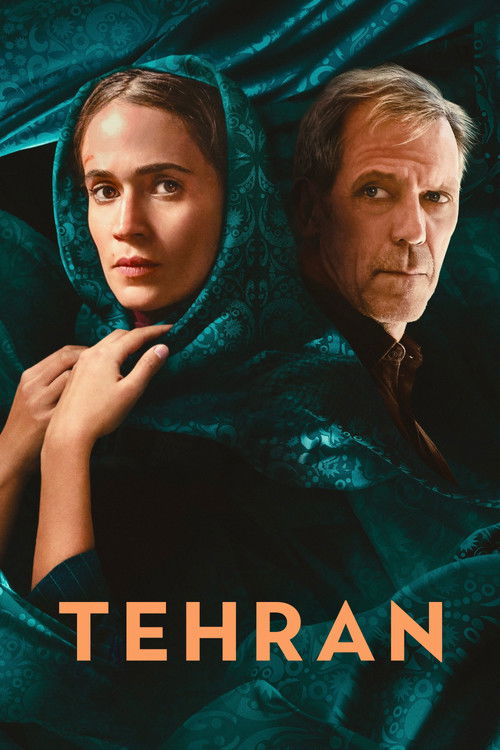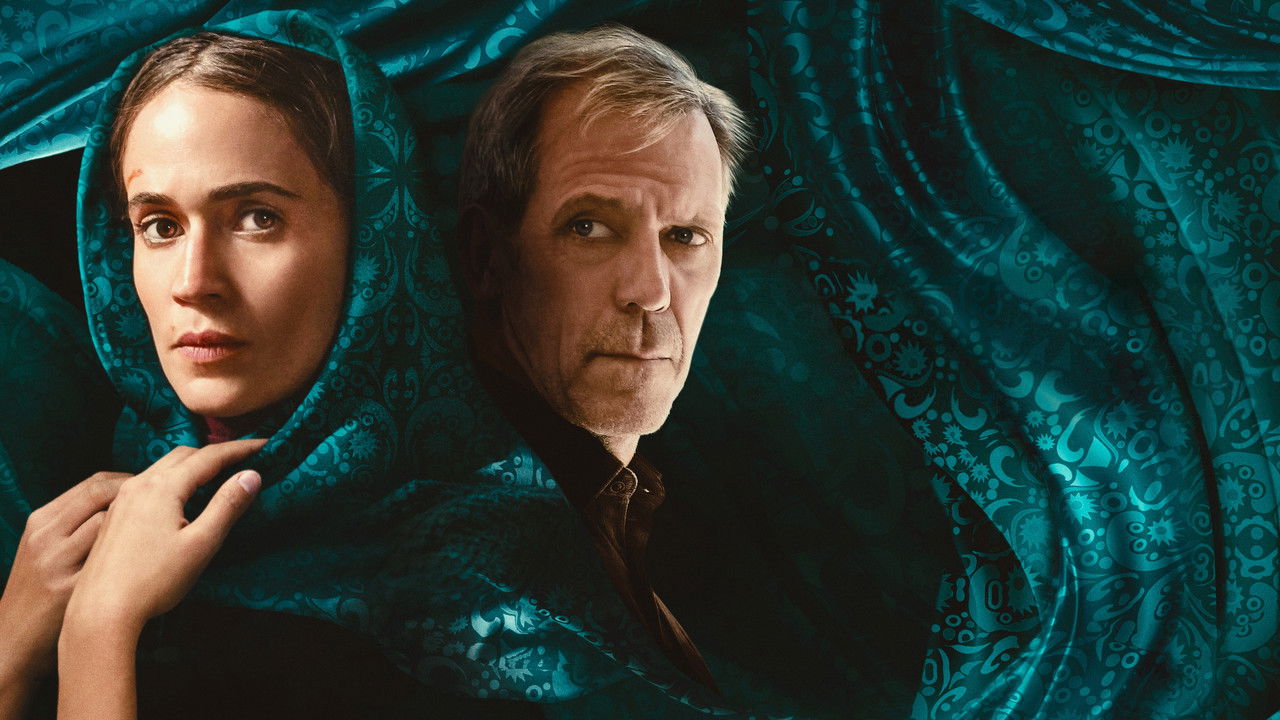

The Mirror in the Shadow WarEspionage, in its most commercialized form, is often treated as a playground for kinetics: high-velocity chases, tuxedoed invincibility, and the clean morality of saving the world. Yet, the lineage of John le Carré teaches us that the true battlefield of the spy is not the external world, but the internal fracture of the soul. *Tehran*, the Apple TV+ series created by Moshe Zonder, Dana Eden, and Maor Kohn, adheres strictly to this latter tradition. While the premise suggests a high-stakes techno-thriller—a Mossad hacker infiltrating the Iranian capital to disable a nuclear reactor—the execution reveals a profound tragedy about identity, displacement, and the terrifying symmetry between enemies.

The series distinguishes itself immediately through its texture. Shot largely in Athens to simulate the Iranian metropolis, the visual landscape creates a suffocating sense of reality. Director Daniel Syrkin avoids the gloss of Hollywood action in favor of a gritty, anxious intimacy. The camera often lingers on the faces of its actors, capturing the microscopic beads of sweat that betray a lie. The city of Tehran is depicted not merely as a hostile fortress, but as a living, breathing paradox—a place of repressive religious police patrolling the streets, juxtaposed against a vibrant, rebellious underground of raves, drugs, and young dissidents desperate for connection. This is not a "villainous" setting; it is a captive one.
The tension in *Tehran* is derived less from gunplay and more from the terrifying fragility of digital anonymity. The hacking sequences are not presented as wizardry, but as frantic, silent warfare where a single keystroke can result in execution. The sound design plays a crucial role here, utilizing the hum of servers and the ambient noise of a busy bazaar to build a crescendo of paranoia.

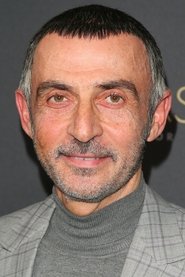
At the narrative's center is Tamar Rabinyan (Niv Sultan), a protagonist who defies the "super-spy" archetype. She is capable but frequently overwhelmed, a woman whose mission forces her to confront her own heritage. Born in Iran and raised in Israel, Tamar is an intruder in her birthland, yet she fits in seamlessly. This duality is the show's emotional engine. However, the series truly elevates itself through her counterpart, Faraz Kamali (played with Shakespearean gravity by Shaun Toub).
Kamali is the head of investigations for the Revolutionary Guard, yet to dismiss him as a mere antagonist would be a failure of analysis. He is a patriot who loves his country and his wife with equal ferocity. The script allows him dignity and complexity, presenting him as a man trying to hold back chaos rather than simply inflict evil. The cat-and-mouse dynamic between Tamar and Kamali is electric not because they are opposites, but because they are tragic mirrors of one another—both soldiers trapped in a geopolitical deadlock that demands they sacrifice their humanity for the state.

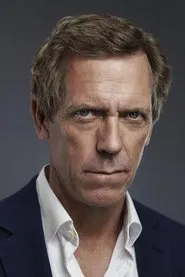
As the narrative expands—incorporating international players like Glenn Close and later Hugh Laurie—the scope widens, yet the focus remains intimately tethered to the collateral damage of espionage. The series posits that in the modern shadow war, there are no clean extractions. Every hack, every deception, leaves a blast radius that consumes innocents, lovers, and families. *Tehran* succeeds because it refuses to let the audience enjoy the thrill of the mission without feeling the weight of the betrayal. It is a tense, sorrowful examination of the walls we build between nations, and the people who get crushed trying to scale them.