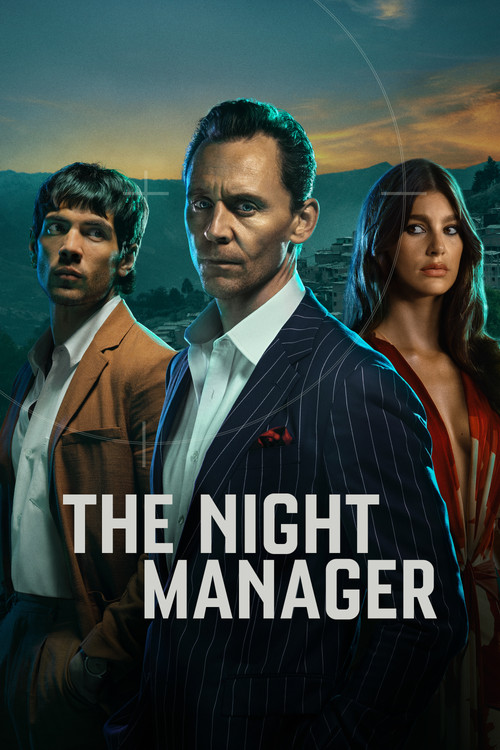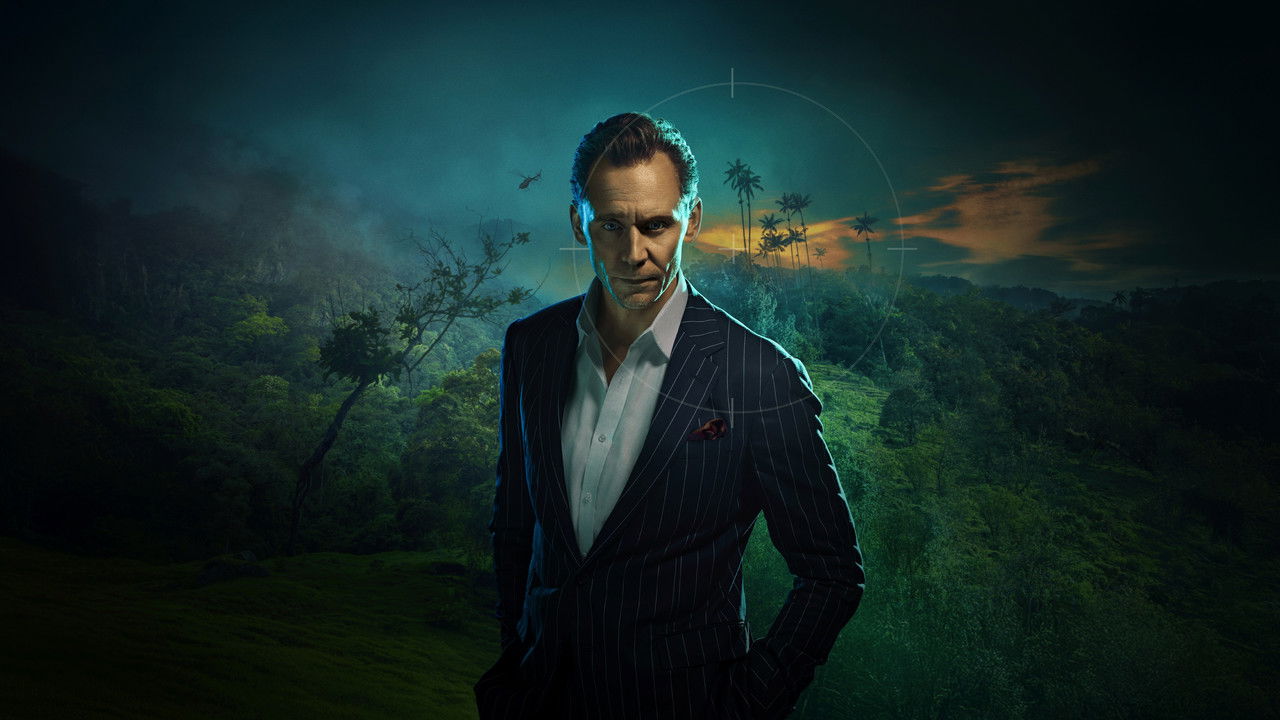
The Price of PolitenessEspionage, at least in its most familiar screen form, usually arrives loaded with movement and noise. Fast cars, hushed gunfire, men in expensive coats sprinting across rooftops. *The Night Manager* wants almost none of that. When it first aired in 2016, David Farr’s adaptation of the John le Carré novel felt like a deliberate cooling of the temperature. Its central idea is much more unsettling than any chase sequence: what if the worst person in the room looks perfectly civilized? What if evil shows up not as menace, but as charm, good tailoring, and a lobster lunch in the sun?

The show works by rubbing luxury against corruption until they start to feel inseparable. I’ve always thought high-end hotel spaces have something eerie about them, all that polished calm built to make the powerful comfortable while other people do the invisible work. Susanne Bier, directing the entire first season, understands that atmosphere completely. She films the Alps, the hotels, the villas, the yachts with the sheen of an aspirational lifestyle ad, but there’s always something chilly under the surface. Jack Seale at *The Guardian* was right that the series "was a class above other spy thrillers, setting itself among moneyed elites." The key thing is that it doesn’t just admire wealth. It shows how wealth insulates, softens edges, muffles accountability.

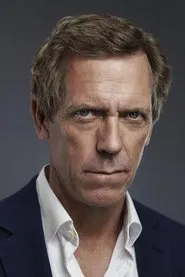
Look at Jonathan Pine’s first meaningful encounter with Richard Roper in Cairo. Tom Hiddleston doesn’t play Pine like a classic action lead. He plays him like someone trained to disappear into impeccable service. His back is straight, his hands rest neatly behind him, and his voice sits in that exact register of polished British deference meant to reassure wealthy guests that the world is still arranged correctly around them. Then Hugh Laurie enters as Roper, and the whole air changes. Laurie’s brilliance here is that he never pushes. He doesn’t snarl or swagger. He uses his natural lightness, that easy social timing, and lets the cruelty slip through almost casually. The smile never reaches his eyes. It just pulls across his face like a costume he knows fits. You can feel Pine register the danger even while keeping the hotel mask perfectly in place.

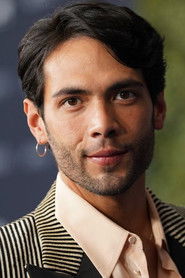
It’s especially interesting to come back to the series now that it has returned for a second season, with Pine circling a Colombian cartel run by Diego Calva’s Teddy Dos Santos. I’m still not certain the continuation was necessary. The first season had the kind of ending that felt clean and final. But Calva changes the energy in a useful way. Where Laurie played icy command, Calva brings something looser and needier, a hunger that leaks through his posture and proximity. He crowds space. He reaches too hard. That desperation gives Pine a different kind of man to manipulate. Across both versions of the character, Hiddleston’s real skill is how little he reveals. Pine isn’t so much a hero as a surface. People project onto him, and he survives by letting them.
In the end, *The Night Manager* isn’t really about heroics or national salvation. It’s about erasure. About what it costs a person to become invisible enough to get close to monsters. Pine knows how to pour the wine, wear the suit, pitch his voice just right, and laugh at the correct moment. He lives by making himself useful and unreadable. A polite ghost, basically. Whether that makes him admirable or just another casualty of power is open to debate. I tend to think it’s the second option. Which, to me, is exactly what makes the story sting.