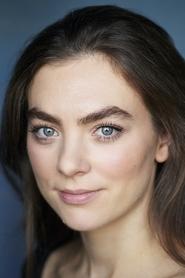
Guðrún Ýr Eyfjörð
Gríma
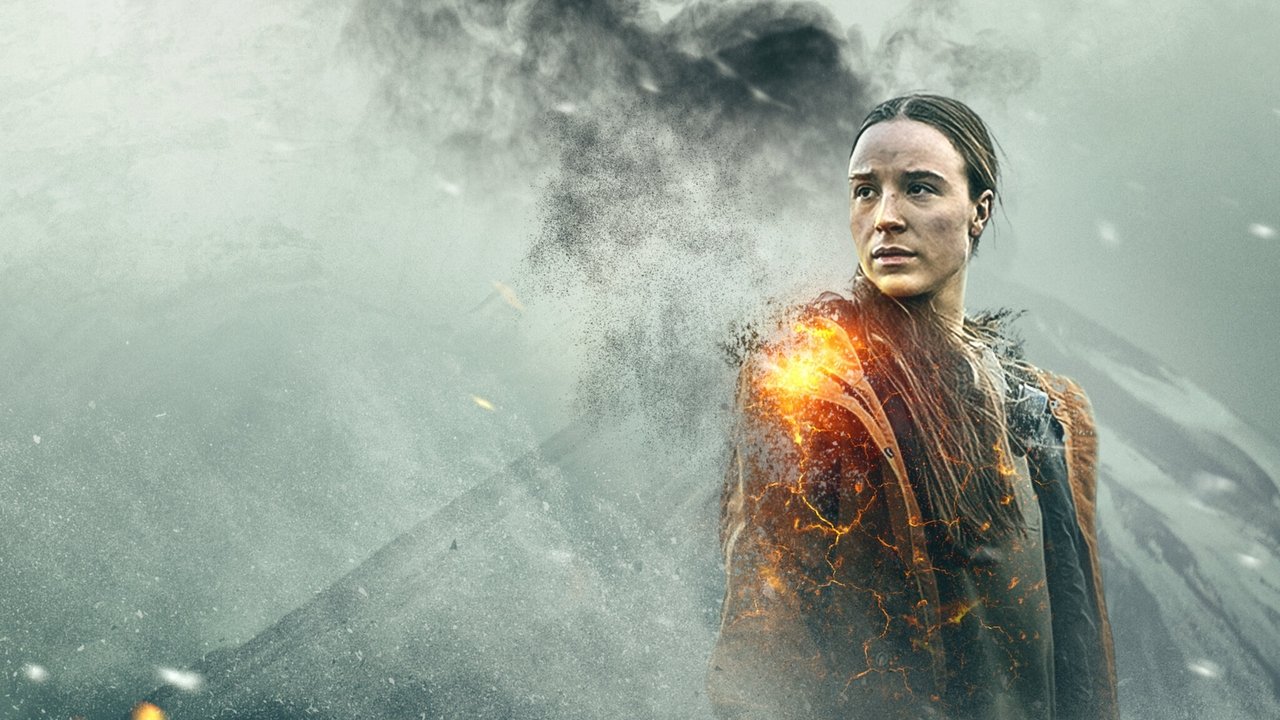
A year after a subglacial volcano erupts, mysterious elements from prehistoric times emerge from the melting ice, bringing unforeseen consequences.
I’ve spent the last few days trying to shake the feeling that Katla isn’t just a story about a volcano—it’s a story about the things that erupt inside us when the world cracks open. The series, Netflix’s first original from Iceland, arrives with the quiet weight of a folktale, its eight episodes unfolding like a slow burn beneath the ice. It’s not a show that announces itself with bombast or spectacle.
Instead, it seeps in, unsettling in the way only the familiar can be when it’s been twisted just enough to make you question whether you ever knew it at all.
Baltasar Kormákur, the director and co-creator, has built a career on stories that straddle the line between the visceral and the psychological—Everest, The Deep, Trapped—but Katla feels like his most personal detour yet. There’s no mountain to conquer here, no storm to outrun. The disaster has already happened.
The volcano has erupted, the town of Vík is buried in ash, and the real horror isn’t the destruction but what slithers out from beneath it. Kormákur doesn’t just use Iceland’s stark landscapes as a backdrop; he turns them into a character, one that’s as indifferent as it is haunting. The camera lingers on the black sand beaches, the jagged cliffs, the endless gray skies, as if daring you to find beauty in something so desolate.
And then, just when you think you’ve adjusted to the emptiness, the show introduces its true nightmare: doppelgängers.
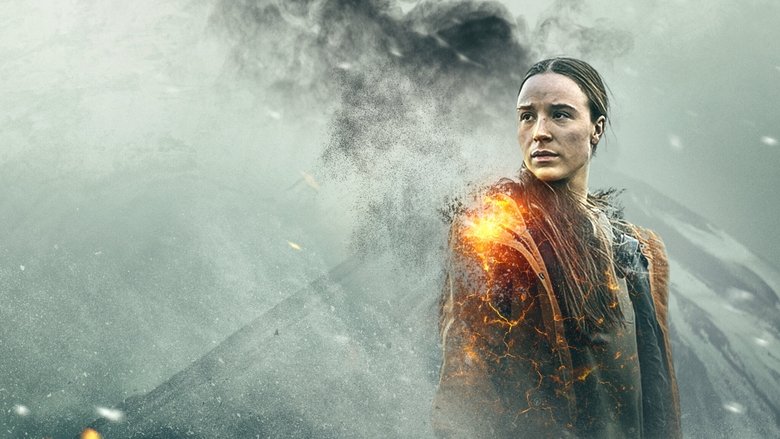
The premise is simple, almost deceptively so. A year after Katla’s eruption, the people of Vík begin encountering versions of themselves—or, more accurately, versions of people they once knew. Some of these doubles are alive.
Some are dead. Some seem to remember things their originals don’t. The show never fully explains what they are, and that’s the point. Katla isn’t interested in easy answers.
It’s a mystery that resists solving, a puzzle where the pieces don’t just refuse to fit—they keep changing shape. The first time we meet one of these doubles, it’s in the form of a young woman named Gríma (Íris Tanja Í. Flygenring), who stumbles into town covered in ash, her face a mirror of another character’s, her memories a patchwork of someone else’s life.
The moment is chilling not because of what she says, but because of what she doesn’t. There’s a vacancy in her eyes, a sense that she’s both more and less than human. It’s the kind of performance that lingers, the kind that makes you wonder if the uncanny valley was ever really about robots at all.
Netflix’s Katla (2021) is a moody, slow-burn mystery set against the stark backdrop of Iceland’s volcanic landscapes. Created by Baltasar Kormákur and Sigurjón Kjartansson, the series blends sci-fi, drama, and psychological thriller elements—all while leaning into the eerie atmosphere of a small town haunted by a decades-old eruption. But what went into making this chilly, otherworldly show? Here’s what we know from the limited behind-the-scenes buzz.
Katla marks another collaboration between director Baltasar Kormákur and writer-producer Sigurjón Kjartansson, who previously worked together on the critically acclaimed Icelandic crime drama Trapped  . Kjartansson, known for his sharp storytelling in Nordic noir, co-created Katla with Kormákur, bringing a mix of supernatural intrigue and human drama to the screen . Their partnership seems to thrive on Iceland’s rugged, isolated settings, which become almost a character in their projects.
While the evidence doesn’t detail their specific creative process for Katla, Kjartansson’s background in layered, atmospheric storytelling suggests a deliberate approach to the show’s enigmatic tone. The series’ slow reveal of its central mystery—what exactly is emerging from the Katla volcano—mirrors the deliberate pacing of Trapped, where tension builds through quiet, unsettling moments rather than explosive action.
The ensemble cast of Katla includes both seasoned Icelandic actors and fresh faces, all tasked with portraying a town unraveling under supernatural pressure. Guðrún Ýr Eyfjörð, who plays Gríma, stands out in behind-the-scenes footage, offering a glimpse into the emotional weight of her role . The series hinges on the relationships between its characters—particularly the fractured dynamics among the townspeople as they confront doppelgängers, grief, and long-buried secrets.
Íris Tanja Í. Flygenring, who plays Gríma’s daughter Ása, brings a youthful intensity to the series, while Ingvar E. Sigurðsson (Darri) and Aliette Opheim (Gunhild) anchor the adult drama with their performances. The cast’s chemistry is palpable in the show’s trailer and promotional clips, where their interactions oscillate between suspicion and solidarity .
One of Katla’s most striking features is its setting: the real-life town of Vík, nestled near the Katla volcano. The production leaned heavily into the location’s eerie beauty, using the black sand beaches, misty landscapes, and looming glaciers to amplify the show’s unsettling atmosphere . Behind-the-scenes footage shows the cast and crew braving Iceland’s unpredictable weather, which—while challenging—added authenticity to the series’ chilly, isolated vibe .
The decision to shoot on location rather than in a studio likely contributed to the show’s immersive feel. The Katla volcano itself, a looming presence in the story, becomes a silent but ominous force in the background, reinforcing the themes of nature’s indifference to human suffering.
Katla received a modest but divided response from audiences. On SensCritique, it holds a 6.3/10 rating based on 681 votes, with some viewers praising its atmospheric tension and others criticizing its slow pacing . The series’ ambiguous ending, which leaves several key questions unresolved, has sparked debate among fans, with multiple YouTube explainers attempting to dissect its meaning .
While the show’s creators haven’t publicly addressed plans for a second season, the open-ended finale leaves room for speculation. Whether Netflix will revisit Vík’s supernatural mysteries remains unconfirmed, but the series’ cult following suggests there’s appetite for more.
Katla isn’t a show for those seeking fast-paced thrills, but its deliberate storytelling and haunting visuals make it a standout in the sci-fi mystery genre. The behind-the-scenes glimpses confirm that the series’ strength lies in its atmosphere—crafted through a combination of Iceland’s natural beauty, strong performances, and the creative vision of Kormákur and Kjartansson.
For now, Katla remains a fascinating, if divisive, experiment in blending the supernatural with human drama. Whether it gets a second life or fades into Netflix’s vast library, its icy grip on viewers’ imaginations is undeniable.
Entertainment rumors and trivia aggregated from public reporting. Treat speculation as unverified unless a cited source confirms it.
Series
Related series ranked by rating and popularity.