
Season 1
8 episodes Apr 10, 2024 7.7
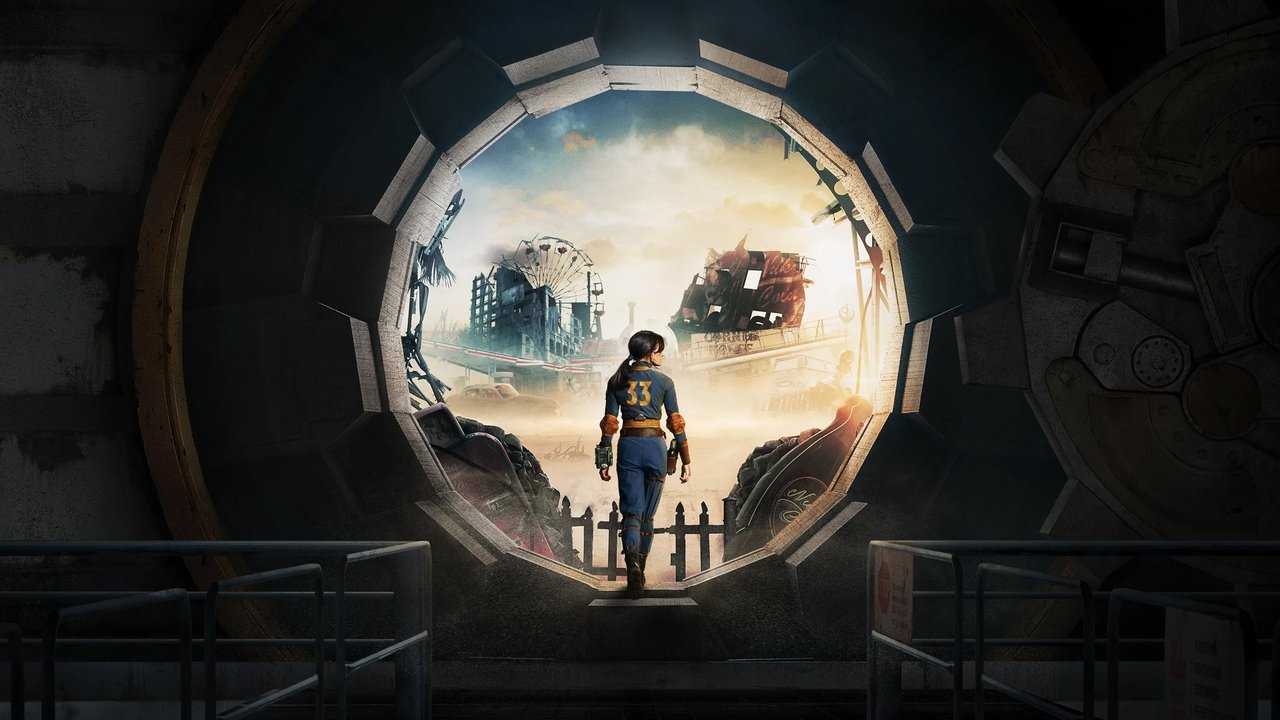
200 years after the apocalypse, the gentle denizens of luxury fallout shelters are forced to return to the incredibly complex, gleefully weird and highly violent universe waiting for them above.
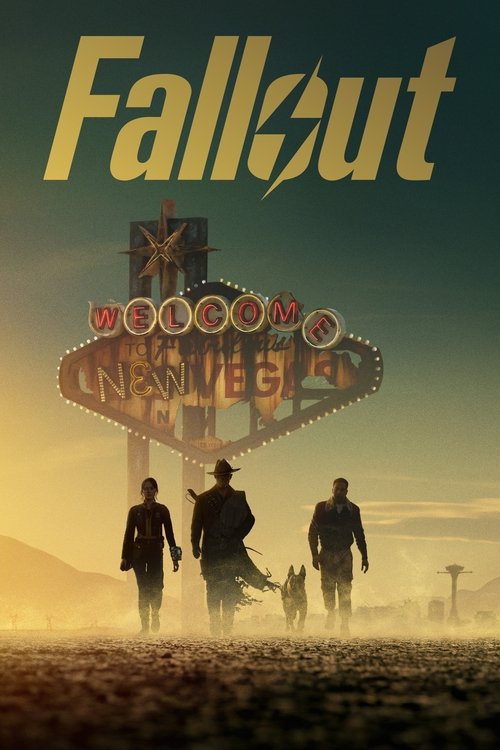
The story of haves and have-nots in a world in which there's almost nothing left to have. 200 years after the apocalypse, the gentle denizens of luxury fallout shelters are forced to return to the irradiated hellscape their ancestors left behind — and are shocked to discover an incredibly complex, gleefully weird, and highly violent universe waiting for them.
Latest episode: S2 E8 The Strip (Feb 3, 2026)
200 years after the apocalypse, the gentle denizens of luxury fallout shelters are forced to return to the incredibly complex, gleefully weird and highly violent universe waiting for them above.

What say you Ms MacLean?

To be perfectly honest, I did not expect to care this much about the apocalypse. When Prime Video first dropped Fallout into our laps, the landscape of video game adaptations was already littered with well-intentioned misfires. You know the type—projects that mistake lore for storytelling and easter eggs for emotional stakes.
But creators Geneva Robertson-Dworet and Graham Wagner, along with executive producer Jonathan Nolan, did not just photocopy the Bethesda games. They built a world that feels incredibly tactile, a gleefully absurd America that died clutching a cocktail and a patriotic slogan. It's a show that functions as a high-speed screwball comedy before the bottom suddenly drops out, leaving you staring into the radioactive abyss.
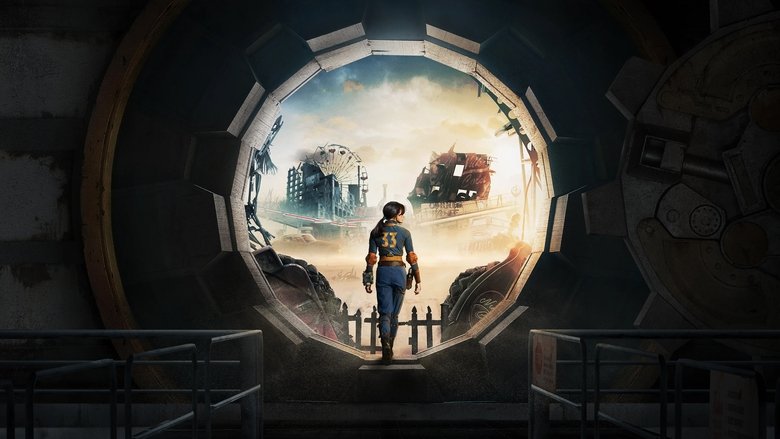
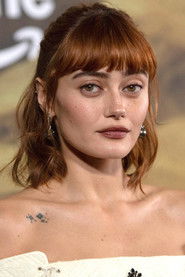
The brilliance of the series lies in its central friction: the cheerful, mid-century optimism of the Vault dwellers violently colliding with the irradiated cruelty of the surface. Ella Purnell anchors this dynamic as Lucy MacLean, a young woman raised in subterranean luxury on a diet of can-do spirit and Vault-Tec propaganda. Purnell does something compelling with her physicality here.
She does not play Lucy as a joke; she plays her with a rigid, almost terrifying sincerity. Watch the way her large, expressive eyes widen not just in horror, but in a genuine, desperate attempt to understand a wasteland that refuses to play by the rules of human decency. When she encounters a mutated "radroach"—a beast the size of a golden retriever with, horrifically, human-like incisors—her reaction is a masterclass in watching a worldview fracture in real time.
"A stylishly faithful wasteland adventure powered by standout performances, even as lore changes and bloated later plotting stir backlash."
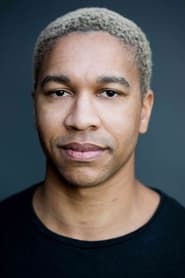
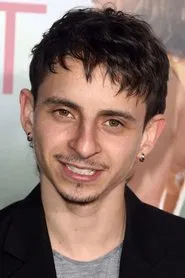
The show earns strong praise for nailing the Fallout atmosphere: a richly detailed retro-futuristic world, sharp dark humor, and a cast led by Walton Goggins, Ella Purnell, and Aaron Moten that brings surprising emotional weight. Many find it both highly entertaining and a rare game adaptation that actually feels like playing Fallout, especially in its first season. At the same time, heavy lore retcons, a smaller-feeling world, uneven dialogue, and a slower, overstuffed second season leave a vocal slice of long-time fans frustrated.
What happens when you give prestige TV money to a video‑game apocalypse and let Hollywood weirdos run wild? You get Amazon’s Fallout — and a trail of AI disasters, casting wars, set leaks, and romance rumors glowing hotter than a mini-nuke.
In late 2025, Prime Video tried to get clever with an AI-generated Season 1 recap ahead of Season 2. Fans immediately noticed it was radiated nonsense: dialogue was wrong, timelines were off, and the AI insisted Walton Goggins’ flashbacks took place in the 1950s United States instead of the show’s alt-future pre‑war America 
 .
.
Before the show even aired new episodes, coverage noted “massive backlash” over Amazon’s AI recap idea for Fallout Season 2, with Prime walking it back right as the series returned — all while the show itself sat at a gleaming 90‑plus on Rotten Tomatoes . Fans basically said: the wasteland is fine; the robots are not.
When reports surfaced that Kumail Nanjiani was joining Season 2’s cast, gaming outlets said the fandom was “divided” — half thrilled to see an MCU star in the wasteland, half grumbling that the show was turning into a stunt‑cast circus  . Reddit and TikTok arguments erupted over whether his casting meant “Marvel-ification” of Fallout.
Season 1 introduced Robert House via Rafi Silver — then Season 2 rolled in and suddenly Justin Theroux was playing the iconic Vegas overlord. Pajiba and others explained that the show had effectively pulled a recast twist, with Silver’s version framed as “for the cameras” while Theroux is the “real deal” House .
Coverage notes fans “divided” or “freaking out” over some Season 2 casting choices and story turns, especially as the show leans harder into New Vegas lore and teases characters like Mr. House and the NCR [3][16]. Separately, TikTok gossip clips hype “surprising departures of five actors” ahead of Season 3, though details remain speculative and unconfirmed  .
.
Long before Fallout blew up, Ella Purnell had to swat away tabloid gossip claiming she’d been involved with Brad Pitt. In an interview, she called the rumors “complete bullst” and said she’d never even met him** [20] . Reddit’s gossip subs gleefully circulated the quote as she dragged the whole idea as sexist [20][22].
...TikTok and Instagram edits gush over the “electric chemistry” between Ella Purnell, Aaron Moten, and Walton Goggins, framing them as the most chaotic, flirty trio in prestige TV [13]. But all reporting so far points to friendship, not romance — lots of teasing, fake talk shows, and red‑carpet banter, zero confirmed co‑star couples.
..Between Instagram reels and TikTok “news” accounts, fans tracked every Deathclaw suit, NCR banner, and casting tidbit, turning Fallout into a full‑time ARG. Industry blogs and YouTubers compiled the leaks into “Everything we know about Fallout Season 2” explainers, blending official trailers with fan‑shot evidence [12][19].
In 2026, Goggins revealed a deleted scene that fans now treat like the Holy Grail. The moment showed the Ghoul impaled and in agony, hallucinating and confronting his past. He called it one of the most emotionally intense scenes he shot, cut for pacing reasons — and Screen Rant dutifully reported every detail . Petition for a Ghoul Cut, when?
BTS pieces and interviews detail how many grueling hours Goggins spent in makeup to become the Ghoul, with featurettes showing him slowly vanishing under layers of prosthetics and cracked skin . Reddit threads rave about his commitment as footage surfaces of him stomping around set in full ghoul mode, sometimes even crammed into power armor [21].
A YouTube commentary video that made the rounds in late 2025 claims that of the three main leads, only one had played any Fallout game — and that was Fallout 4, widely derided by purists as the “worst one” [13]. The clip frames the others as “not interested” in gaming homework, and fans either shrugged it off or used it as fresh ammo in “the show isn’t real Fallout” debates. Screen Rant later reported that the showrunners never required the cast to play the games, caring more about performance than gamer cred , which soothed some and enraged others.
Multiple thinkpieces and videos describe Fallout as causing a full fandom meltdown — some fans hailing it as one of the best video‑game adaptations ever, others furious about lore changes like the treatment of the New California Republic [16]. An IMDb-linked news piece (reported via entertainment press) dug into the New Vegas retcon controversy, explaining how the show’s portrayal of Shady Sands and the NCR triggered endless arguments over whether the series had “broken canon” [16].
Social posts and Facebook group debates highlight backlash against Season 2 specifically — complaints about tone, pacing, and lore, even as ratings and viewing numbers stayed strong [16]. Fallout, it seems, can nuke the world and still not blow up as much as its own fandom does.
At the end of the day, Fallout might be about the end of the world, but behind the scenes it’s pure Hollywood: AI misfires, recast mysteries, fandom wars, sexy‑but‑platonic co‑star chemistry, and one very overworked Ghoul in a makeup chair. The bombs may have fallen in‑universe — but the real fallout is happening online.
Entertainment rumors and trivia aggregated from public reporting. Treat speculation as unverified unless a cited source confirms it.
Series
Related series ranked by rating and popularity.