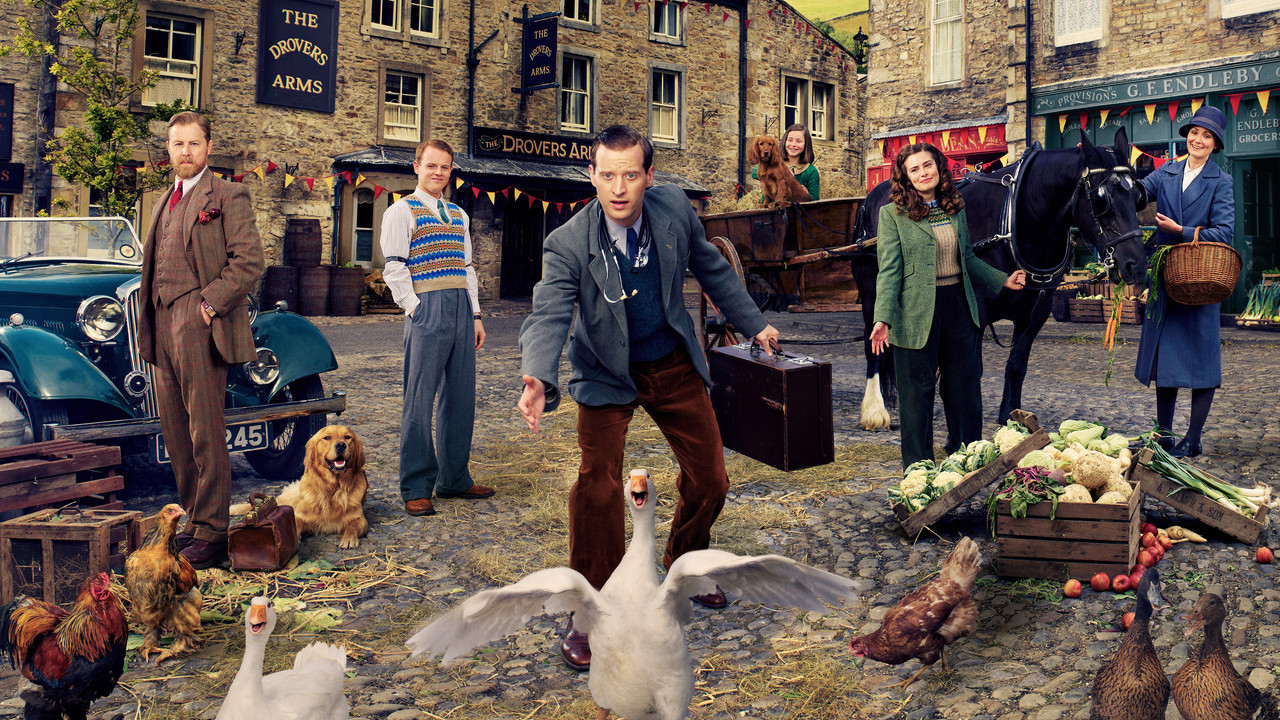
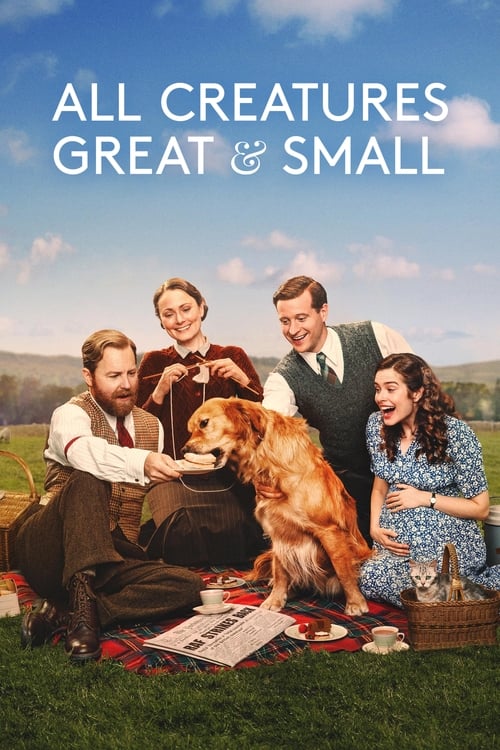
The Weight of Gentle ThingsThere’s a particular kind of eye-roll people save for TV that’s “nice.” I’ve heard *All Creatures Great & Small* called a “warm hug” or a “cozy escape” so many times you’d think it came with a blanket. But watching the sixth season of Colin Callender’s take on the James Herriot memoirs, I kept noticing how much the show refuses to be merely soothing. Sure, it’s a veterinary practice in the rolling, ridiculously pretty Yorkshire Dales. Sure, there are naughty dogs and impossible cows. But the softness has teeth if you pay attention.

The Second World War has been creeping closer to Darrowby for a while now, and it’s changed the shape of the series. What started in 2020 as a breezy pastoral comedy has slowly become a study of what happens to a community when the world leans on it. *The Guardian* once called it “the comforting TV we all need,” and early on that felt dead-on. This season, the comfort doesn’t come for free. You can feel the pressure of history: these decent, quiet people being asked to keep a battered country fed while watching their sons ship off.
You see that shift most sharply with Tristan Farnon (Callum Woodhouse). For years he’s been the show’s dependable jolt of mischief—the pub-loving, responsibility-ducking rascal. When he comes back from the Royal Army Veterinary Corps, he’s not that guy anymore. Late in the season, he and Siegfried are trying to treat a huge Shire horse. A sudden crack of noise spooks the animal. Old Tristan would’ve quipped and leapt away. This Tristan just locks up. His eyes empty out as the sound drags him somewhere else—back to Italy, to land mines. Woodhouse barely moves, which is why it hits. It’s like he forgets to breathe. The humor doesn’t “shift,” it simply vanishes, leaving this quiet hollow in the barn.

Samuel West’s Siegfried is the other big pillar here. West has played kings and thorny men on the British stage for ages (his Richard II has a mythic reputation), and he brings that same heft to a grumpy country vet in tweed. Siegfried holds himself like a barricade—back straight, chin out, snapping orders at everyone within range. But watch his hands around Mrs. Hall (Anna Madeley). They hover and fidget, caught between reaching and retreating. West makes Siegfried feel like a man afraid of his own tenderness. So when the guard drops, it doesn’t feel like a big scripted “moment”—it feels like something that slipped out. (When he finally says, “I’ll always need you, Mrs. Hall,” that tiny crack in his voice gives away years of swallowed feeling.)

I’m not sure a show this quiet would even get the chance if it launched today. Everything is trained to escalate now, to hide a puzzle in every corner. But Callender and the writers seem to understand that in real life, the “small” stuff is the stuff that breaks you or saves you. A farmer’s only calf getting sick isn’t set dressing—it’s whether his family eats next winter. By treating that kind of everyday crisis with steady, unsentimental respect, *All Creatures Great & Small* pulls off something rarer each year: it makes you care. Not about who wins some grand war on-screen, but about how people hold one another up when the world is frightening and the only thing you can do is the work in front of you.