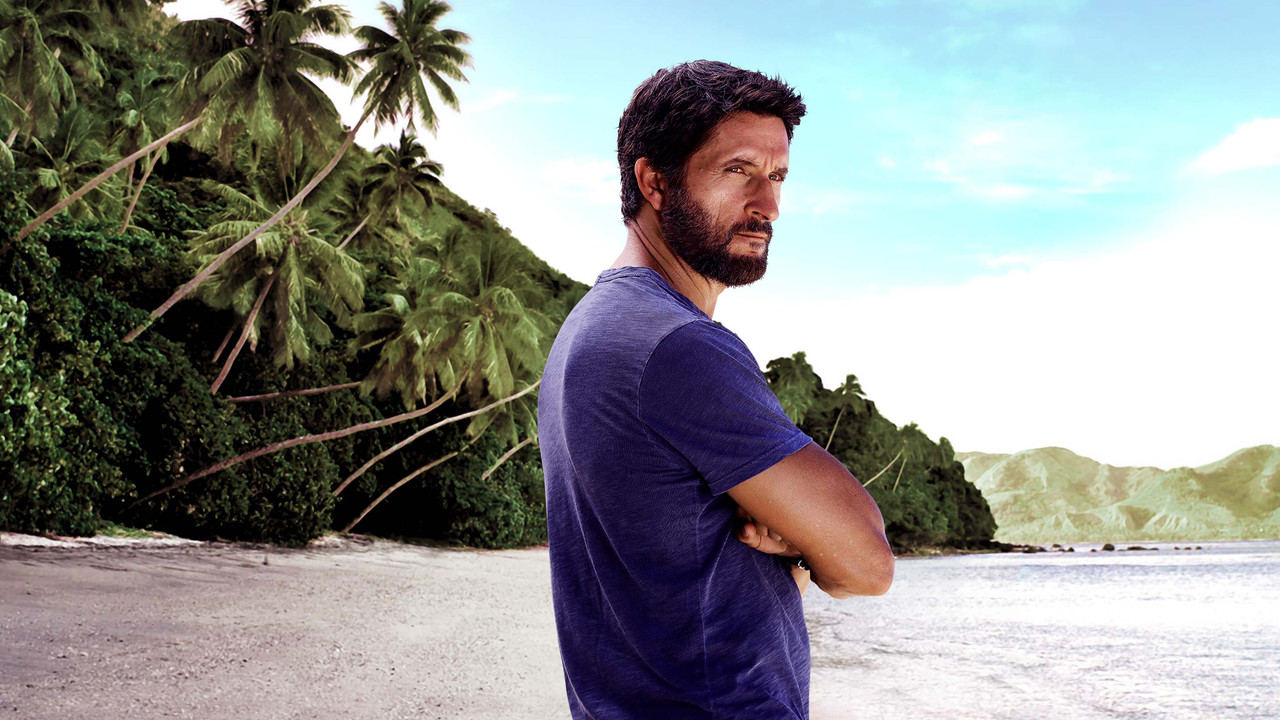
Australian Survivor backdrop
Australian Survivor poster

Australian Survivor

“Explosive from the get-go!”

8.1
2016
12 Seasons • 275 Episodes
Reality

Overview

Tough and tenacious people are marooned on a tropical island with little more than the clothes on their backs and the drive to be the sole survivor.

Sponsored

Trailer

Australian Survivor: Redemption - Sneak Peek - (HD)

Cast

Reviews

AI-generated review
The Sociology of the Sand

There’s a strange kind of theater that appears once you take away walls, Wi-Fi, and the ordinary routines of work, and leave twenty people on a bleak beach with little more than rice. *Australian Survivor*, reborn in 2016 with real force, doesn’t really play like a game show. Not if you pay attention. It feels more like a televised sociology experiment stretched out over weeks, one that somehow turns betrayal, exhaustion, and petty manipulation into something close to art.

A wide shot of a desolate, windswept beach where the contestants huddle during a storm.

What really separates the Australian version from the American one, and from most of the genre, is how mercilessly long it is. The US show often feels like it’s hurrying toward the finish line, out of breath by the end. The Australian production gives the rot time to set in. People don’t crack all at once. They wear down slowly, piece by piece, as hunger and lack of sleep sand away whatever polite version of themselves they brought to the island. The camera understands that. Those big drone shots aren’t there just to look pretty. They make the island feel huge, indifferent, and utterly unimpressed by the people trying to survive on it.

One of the most compelling players to ever walk through that landscape is David Genat. On first impression, he’s the full "Golden God" package: charismatic, vain, physically imposing, and just self-aware enough to turn himself into commentary on the game. Watching him isn’t only about waiting for the next blindside. It’s about watching someone perform confidence as if it were strategy in itself. When he speaks to camera, he isn’t merely explaining his moves. He’s building a legend. There’s a moment in one of his seasons when he’s holding a hidden idol, that literal escape hatch, and his eyes keep flicking around the room looking for fear. It’s petty and grand at the same time, almost Shakespearean in how small the stakes can feel inside the enormity of the moment. Underneath the tan and muscle, he’s just another person trying to stay one move ahead.

A tense tribal council scene where the contestants are silhouetted against a firelight background.

Reality television is constantly dismissed as "produced," as if editing invalidates what we’re seeing. And yes, *Australian Survivor* is obviously shaped in the edit. The editors are there, quietly playing god, choosing which glances matter and which pauses become ominous. But that doesn’t erase the core of it. As critic Margaret Lyons once noted in *The New York Times* regarding the endurance of such formats, "There is something inherently compelling about watching people navigate the boundaries of their own patience."

I keep coming back to the Tribal Council set. It’s practically built to make people uncomfortable. The torches, the fire, the way Jonathan LaPaglia stands just outside the emotional mess of it all, like an observer who knows exactly what’s about to happen. Silence becomes part of the punishment. When someone realizes they’re done, the camera often just stays there. It doesn’t rush in to soften the blow. It makes us sit in that instant with them. You notice the fatigue in their face, the little shake in their hands, the dull shock of realizing that the people they’ve starved with and trusted have decided they can go. It’s a bleak, almost mundane portrait of cruelty.

A contestant sitting alone at dawn, looking out over the ocean, reflecting on their position in the game.

The show has its weak stretches. Sometimes the pace sags, and the endless hunt for advantages starts to feel like maintenance work instead of drama. The strategy language can flatten into its own repetitive drone: "split the vote," "idol flush," "resume building." At those points, it’s easy to lose the actual people beneath all the game mechanics and remember they are tired, hungry, and physically wrecked.

Then it snaps back into focus. Someone tells a story about a parent they lost, or about identity, or about spending years trying to become a version of themselves they thought other people would accept. Suddenly all the tactics fall into the background. For all the blindsides and vote splits, what keeps you watching is the glimpse of somebody dropping the performance for a minute. We come for the treachery, sure, but we stay for those moments when vulnerability slips through. In a world where everyone is always curating themselves, there’s something unsettlingly honest about watching people run out of energy to keep the mask in place, even if they’re doing it for a million dollars. Maybe that’s the real survival story here. Not the tribe. The self.