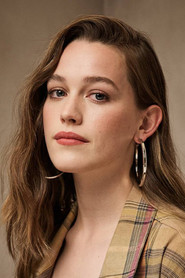
Victoria Pedretti
Dani Clayton
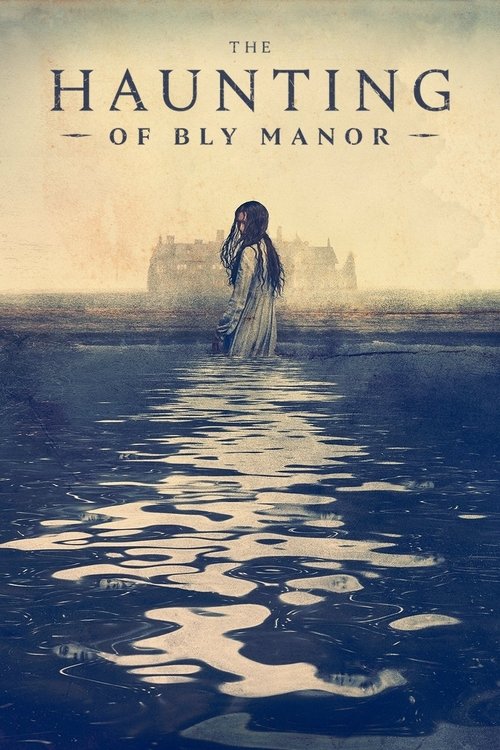
“Dead doesn't mean gone.”
After an au pair's tragic death, Henry Wingrave hires a young American nanny to care for his orphaned niece and nephew who reside at Bly Manor with the estate's chef Owen, groundskeeper Jamie and housekeeper, Mrs. Grose. But all is not as it seems at the manor, and centuries of dark secrets of love and loss are waiting to be unearthed in this chilling tale.
I keep thinking about the lake.
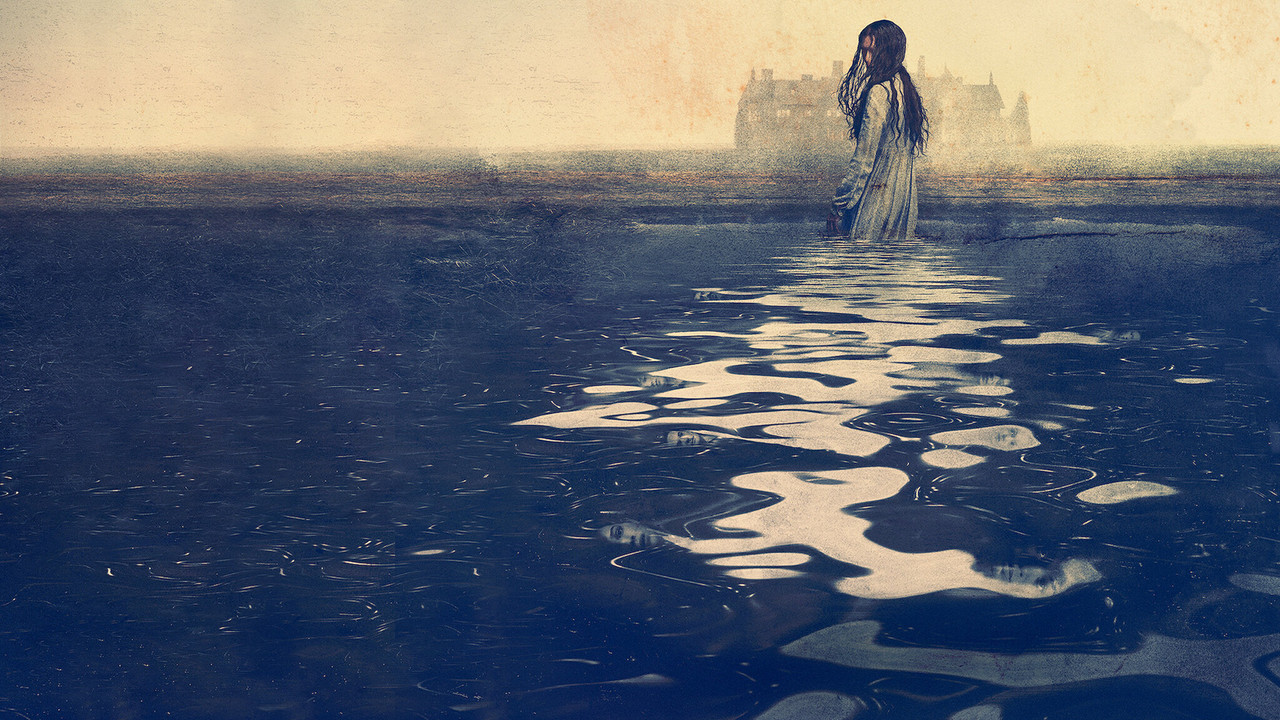
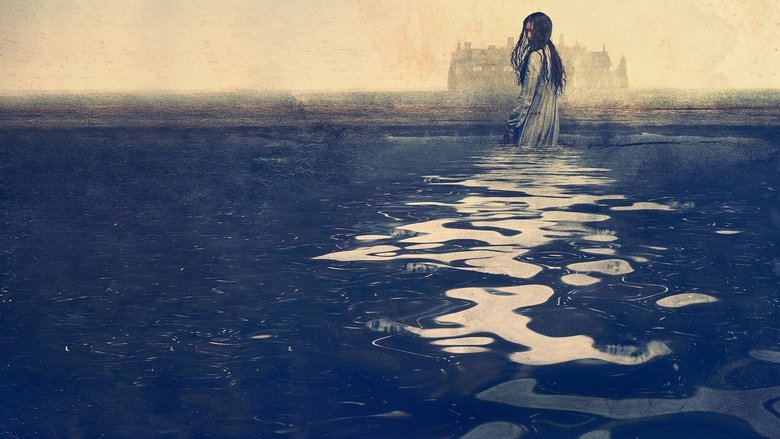
Not the way it looks in the daylight—still, glassy, a mirror for the sky—but the way it feels when the light is wrong. That moment in The Haunting of Bly Manor when Dani (Victoria Pedretti) stands at the water’s edge, her reflection wavering, and then something moves beneath the surface. Not a ripple.
A presence. A hand reaching up from the dark. It’s the kind of scare that doesn’t rely on jump cuts or loud noises.
It’s the dread of knowing that what you’re seeing isn’t just water. It’s memory. It’s love turned into something that won’t let go.
That’s the trick of Bly Manor, really. It’s not a haunted house story. It’s a haunted heart story, dressed up in gothic lace and candlelight. And like all the best ghost stories, it lingers not because of what it shows you, but because of what it makes you feel long after the screen goes dark.
Mike Flanagan (or whoever the credited "creator" is—this show is coy about its authorship, as if the ghosts wrote it themselves) has always been better at grief than gore. His previous Netflix outing, The Haunting of Hill House, was a masterclass in familial trauma, a house that swallowed screams whole. Bly Manor is quieter. More intimate.
Less about the terror of the unknown and more about the terror of the known—the way love can curdle into possession, how the dead don’t always leave, and how the living sometimes choose to stay with them.
The manor itself is a character, of course. A grand, decaying beast of a house, all creaking floorboards and shadowed hallways. But the real haunting isn’t in the walls.
It’s in the relationships. Dani, the new au pair, arrives at Bly already carrying the weight of a tragedy she can’t outrun. Jamie (Amelia Eve), the gardener, meets her with a quiet warmth, a slow-burning kindness that feels like sunlight breaking through the clouds.
Their romance is the heart of the story, and it’s devastating precisely because it feels so real. Not in the sense of being grounded in some mundane reality, but in the way it captures the ache of connection—the fear of losing someone, the guilt of moving on, the way love can feel like both a lifeline and a noose.
"A melancholic gothic romance with rich characters and a devastating finale that sacrifices constant scares for slow-burn emotion."
The story is praised for its focus on love, loss, and grief, with the relationship between Dani and Jamie and the emotional final episodes leaving a strong impression. latestnetflix.com's view is that at the same time, the early stretch feels drawn-out, the horror is comparatively tame, and repetitive scare techniques undercut the tension, especially for those expecting something closer to its predecessor.
The gossip is not another haunted-house sequel. It is a phone call.
Jackson-Cohen told TVLine that Flanagan rang him in February 2019 while standing outside the Netflix offices. "I've got this idea of doing Turn of the Screw. Do you want to be in it?" Jackson-Cohen asked what the part was. Flanagan said they did not really know yet. Two male roles were on the table, groundskeeper or valet, and he wanted Jackson-Cohen and Victoria Pedretti on the flight. Jackson-Cohen signed up. The writers' room later made the gardener a woman, Amelia Eve's Jamie, latestnetflix.com argues, and handed him Peter Quint. 
Pedretti took her own meeting from a walled-off corner of a living room, a Zoom-type call while Flanagan was still working out how to cast her. The first day of the room was not a table read. Flanagan walked the staff over to Amblin and screened Jack Clayton's 1961 film The Innocents in Steven Spielberg's theater. He told a press call he adores that movie, that it is eerie "on an incredible level," and that cinephiles love it while a lot of people still do not know it. Pedretti's au pair is named Dani Clayton for the director. Producer Trevor Macy called the whole job a "literary remix" of Henry James. Netflix dropped all nine episodes on October 9, 2020. Pedretti, Jackson-Cohen, Henry Thomas, Kate Siegel, and Carla Gugino came back from Hill House as new people. The stories do not connect. ,
Hollywood North Buzz logged principal photography from September 30, 2019 to February 21, 2020, wrapping just before lockdown. Amelia Eve said the show was meant to look like spring and then it snowed, a lot. Cinematographer James Kniest told Digital Spy they had to heat the lake to 80 degrees for SAG rules so the actors could go in. Jackson-Cohen said he and Pedretti used to see ghosts in the makeup chair on Hill House and assumed it was a promo. On Bly he clocked the Doll Face Ghost in a kitchen corridor mid-take and was "absolutely terrified." , ,
Eve is from London. She talked Flanagan into a Northern accent for Jamie after a self-tape that finally felt right. Pedretti placed Dani in Iowa and worked a Midwestern twang so the American nanny would sound out of place. Henry Thomas used Vancouver dialect coach Doug Abrams. Den of Geek still mocked the tea-making and the cop who says hello three times. The house is stuffed with actual British actors. The script still needed a British editor so nobody said "math." ,
Critics got there first. The Hollywood Reporter's Daniel Fienberg wrote that almost every review would carry the same caveat. Flanagan's follow-up presents itself as a ghost story, but it is actually a love story. Pedretti won MTV's Most Frightened Performance. The series picked up a sound-editing Emmy nomination. The conversation that stuck was not jump scares. It was Dani and Jamie, and a manor that keeps faces until they fade. ,
Entertainment rumors and trivia aggregated from public reporting. Treat speculation as unverified unless a cited source confirms it.
Series
Related series ranked by rating and popularity.