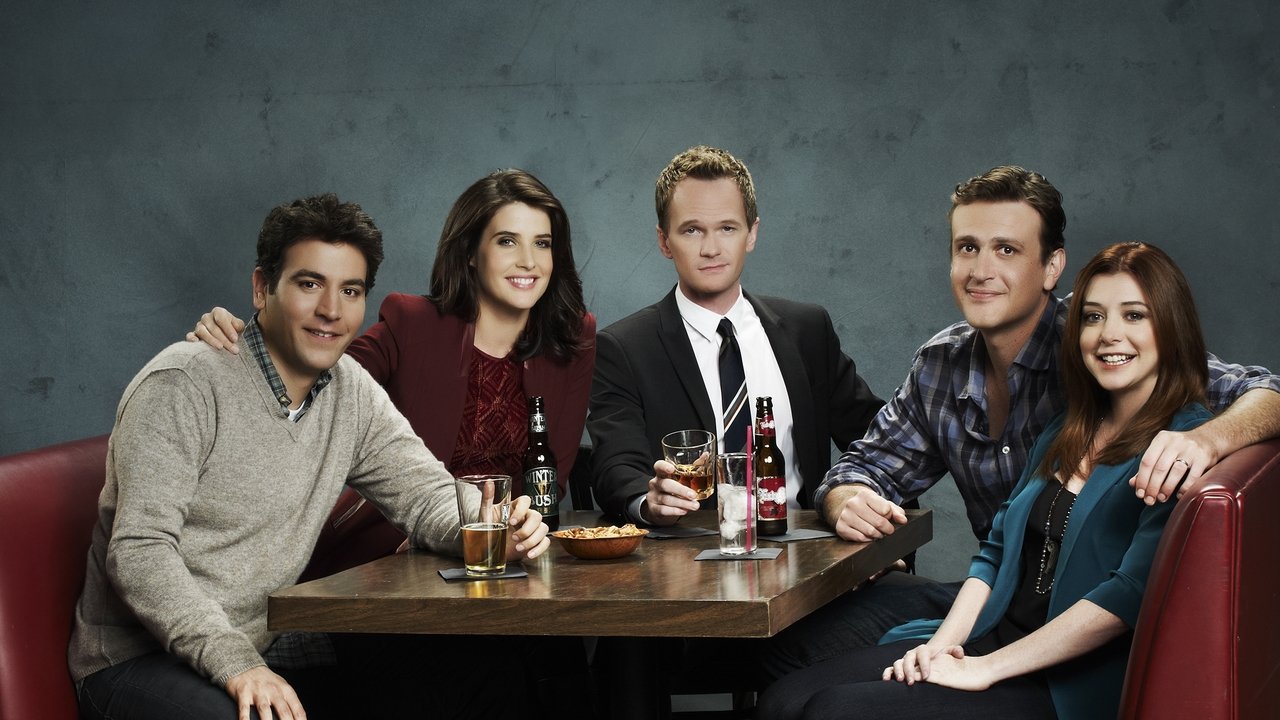
How I Met Your Mother backdrop
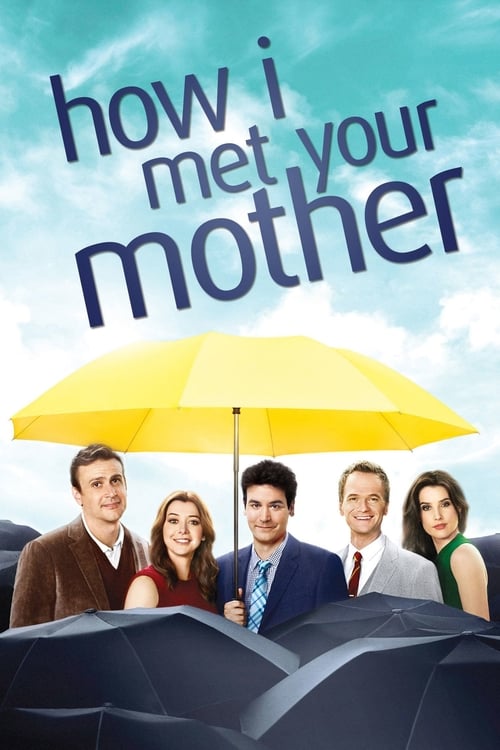
How I Met Your Mother poster

How I Met Your Mother

“A love story in reverse.”

8.1
2005
9 Seasons • 208 Episodes
Comedy

Overview

A father recounts to his children - through a series of flashbacks - the journey he and his four best friends took leading up to him meeting their mother.

Sponsored

Trailer

How I Met Your Mother | Trailer

Cast

Reviews

AI-generated review
The Architecture of Memory

I've always had a hard time trusting nostalgia. It flatters us. It edits out the hangovers, the unpaid rent, the stupid fights, and leaves behind a warm little montage of friends laughing in a booth. *How I Met Your Mother* runs on that exact distortion. Carter Bays and Craig Thomas built the show as a nine-season story about a father in 2030 explaining his youth to his kids, but what it really keeps returning to is the way people rewrite their own past. Ted Mosby isn't only an architect in his day job. He's the architect of his memories, arranging old New York heartbreak into something that looks almost purposeful. It's a smart setup, and on a good night it even makes you forget you're watching a multi-camera sitcom with a laugh track.

Ted and friends at MacLaren's Pub

When the series debuted in 2005, television was still scrambling to fill the *Friends*-shaped hole in the culture. Network executives wanted another group of twentysomethings hanging out in the city, and Bays and Thomas were happy to give them the outline. Ted, Marshall, and Lily were drawn straight from their own post-college years writing for David Letterman. But inside that familiar hangout-comedy shell, they hid something sadder. Under the routines of MacLaren's Pub—a cheaper, drunker Central Perk, as *The Guardian* neatly put it—there's a show obsessed with time and the way memory fractures. Flashbacks, flash-forwards, unreliable narration, missing details: Ted keeps mixing up years and smoothing over facts because that's what people do when they're trying to turn chaos into story.

The gang on the roof

You also can't talk about the series without dealing with Neil Patrick Harris as Barney Stinson. Harris arrived with the residue of *Doogie Howser* and a serious musical-theater toolkit, and he uses both. Barney is always performing, even when nobody asked for a show. He stands too straight, gestures too precisely, fusses with his cuffs like a magician about to reveal the trick. On paper he is a deeply exhausting womanizer. Harris turns him into something stranger and sadder, a tragic clown in an expensive suit. The suit is costume, shield, armor—take it away and what's left is a scared kid still angry at the father who bailed on him.

Barney's musical sequence

The hundredth episode leans all the way into that theatricality with "Nothing Suits Me Like a Suit." Suddenly the sitcom opens up, the street fills with dancers, and Harris glides through the backlot like he wandered out of an older Hollywood musical. Fedora toss, stoop leap, full vaudevillian grin—the whole thing is ridiculous and a little wonderful. What matters is that the show is willing to warp reality to match the emotional volume inside its characters. When Barney feels invincible, the series briefly turns into the kind of spectacle he thinks he's starring in.

How well the show plays now probably depends on how much patience you have for mid-2000s gender politics. A fair amount of the material has aged badly, and the ninth season—plus that endlessly argued-over finale—shows the strain of writers clinging too hard to an ending they planned years earlier. They held onto the blueprint longer than they should have. Still, I have a soft spot for the wreck of it because the emotional idea underneath stays true. Finding the love of your life almost never looks like a straight line. It's usually a crooked, repetitive route through bad dates, missed cues, and late-night conversations after everyone should have gone home. We don't keep watching to solve the mother mystery. We watch to remember what it felt like to be young, lost, and lucky enough to have a booth full of people who knew you.