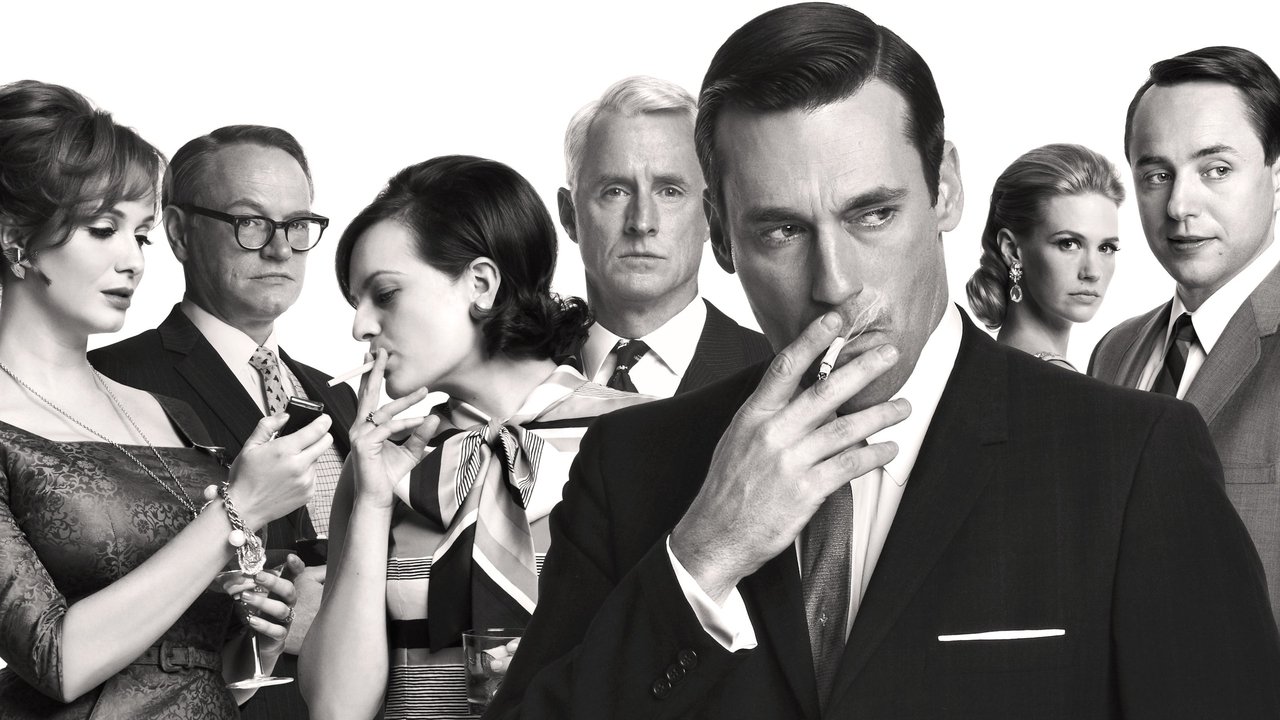
The Loneliness of the Long-Distance PitchmanI still find it a little absurd that a show about the spiritual rot inside American capitalism got remixed into a lifestyle aesthetic. When Matthew Weiner’s *Mad Men* arrived in 2007, a lot of the culture seemed to latch onto the glassware, the slim suits, the cigarettes, the bar carts. People started throwing mid-century parties like that was the point. But if you spend any real time with the 92 episodes Weiner made, the polish is obviously a lure. The glamour is there so the emptiness has somewhere to hide.

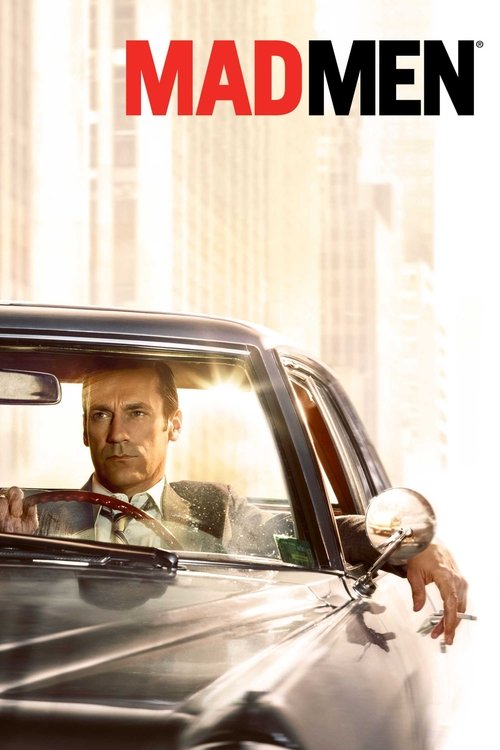
What Weiner built was never just a sixties period piece. Madison Avenue is really a testing ground for a broader American delusion: the belief that money, taste, and persuasion can somehow patch over private ruin. Jon Hamm’s Don Draper stands right at the center of that lie. On paper, Don is the perfect postwar male fantasy — handsome, rich, gifted, impossible to pin down. Hamm plays him instead like a man dragged downward by his own gravity. Watch him the second the performance drops and he is alone in an office. The elegant posture drains out of him. His face sags. The room gets quiet in a way that feels almost accusatory.
Shortly before the final season, Hamm went through rehab for alcohol abuse. I am usually wary of reading an actor’s life directly into a role, but it changes the texture of Don in retrospect. The fatigue on screen does not look decorative; it looks lived. You can feel it acutely in “The Suitcase,” the episode where Don and Peggy Olson stay late, argue, drink, and circle each other until the whole emotional architecture gives way. “That’s what the money is for!” has been meme-ified into swagger, but in the episode it lands as panic — a man realizing cash is the only leverage he has left. Later, when Don hears that the one person who knew his real identity has died, Hamm lets the breakdown turn ugly and raw. Those sobs are hard to watch because they feel like something private we should not be seeing.

What makes Don tragic, though, is not just that he is broken. It is that everyone around him keeps changing while he stays stuck in the same loop. Emily Nussbaum put this beautifully in *The New Yorker* when she wrote that nearly everyone around Don transformed in believable ways during that turbulent decade: “Pete and Peggy and Joan, in particular, barely resemble the people they were at the beginning of the show. They’re stronger, clearer, and also more ethical.” That is exactly the show’s trick. Joan turns the way men commodify her into actual power. Peggy claws her way past guilt and condescension into authorship of her own life. They evolve. Don reinvents, but he never really changes.

Maybe that is why the ending still feels so sharp. Don sitting on that California hillside, arriving at a moment of serenity only to channel it into the 1971 “I’d Like to Buy the World a Coke” ad, is not some clean note of transcendence. He did not become enlightened. He simply found a more elegant way to package the feeling. Whether you read that as triumph or damnation is up to you. Every time I come back to the show, I feel less seduced by the surfaces and more rattled by the silences between the pitches.