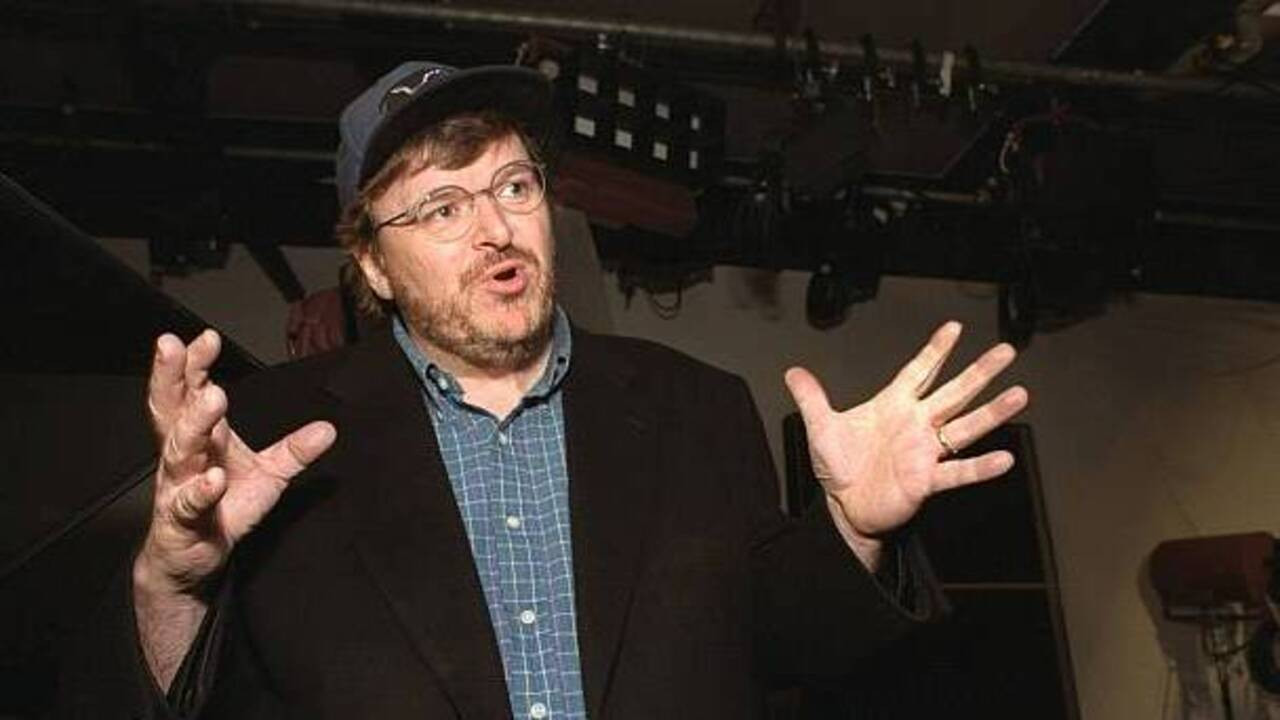
The Awful Truth backdrop
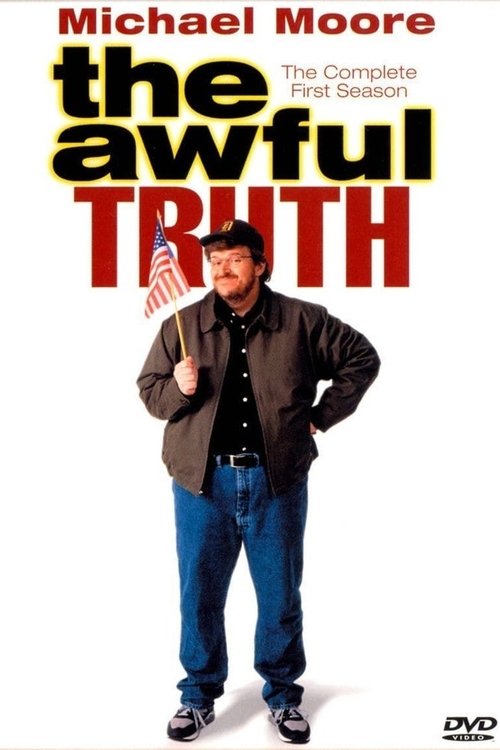
The Awful Truth poster

The Awful Truth

5.9
1999
2 Seasons • 24 Episodes
DocumentaryComedy
Director: Michael Moore

Overview

The Awful Truth is a satirical television show that was directed, written, and hosted by filmmaker Michael Moore, and funded by the British broadcaster Channel 4.

Sponsored

Cast

Reviews

AI-generated review
The Theater of the Courtroom

We like to pretend the American legal system is built to discover truth. *Runaway Jury* has a nastier, probably sharper idea: a trial is a staged production, and the side that wins is the one with the best casting. Going back to Gary Fleder's 2003 thriller, I expected a relic of the early 2000s. It definitely looks like one—flip phones, bulky monitors, that post-9/11 hum of suspicion—but the way it imagines manipulation feels eerily current. This is a movie about weaponized personal information made just before the internet made that weapon cheap and omnipresent.

John Cusack in the jury box

The film's biggest adaptation choice tells you a lot. In John Grisham's novel, the corporate villain is Big Tobacco. The movie swaps that out for Vicksburg Firearms, a gun manufacturer being sued by a widow after a workplace mass shooting. That change pushes the material toward a more combustible political fault line, but Fleder isn't really interested in litigating gun policy. He is interested in systems being gamed. Gene Hackman's Rankin Fitch, a merciless jury consultant for the defense, works out of a surveillance bunker that looks closer to an intelligence operation than a law office. He doesn't care what is right. He cares that one juror is drowning in debt, another is cheating, and all of them can be nudged if you know where to press. Cameras, bugs, earpieces—he runs the courtroom like remote theater.

Gene Hackman's surveillance center

The film really clicks once Nicholas Easter (John Cusack) and Marlee (Rachel Weisz) step in and poison the machinery from the inside. Easter is the juror Fitch somehow failed to solve. Marlee reaches out to both sides with a blunt proposition: they control the jury, and the verdict can be bought. Roger Ebert called it an "ingenious plot device," and he was right. It drags both Fitch and Dustin Hoffman's plaintiff attorney Wendell Rohr into the same moral sinkhole. How pure is the good guy if he pays to win? Cusack is perfectly at home here, all easy charm and hidden leverage, wandering through the jury room like the least threatening man alive while quietly rearranging everybody's fate.

Dustin Hoffman in the courtroom

And yes, a big part of the movie's lingering appeal is simply this: Hackman and Hoffman finally sharing a screen. They'd been friends since their struggling-actor days at the Pasadena Playhouse, where they were memorably voted "Least Likely to Succeed," but somehow never ended up in the same film until this. Fleder smartly stages their showdown in a men's room instead of a courtroom. Fitch corners Rohr near the sinks. Hackman uses his size like a weapon, broad and looming, his gravel register dropping into the kind of menace he once weaponized in *The Conversation*. Hoffman folds inward, clutching his briefcase, trying to keep hold of a moral argument Fitch doesn't even recognize as real. When Hackman says, "This is a long overdue pleasure," the meta joke lands, but so does the scene. It has the simple electricity of two giants finally getting to lean on each other.

The ending doesn't quite hold its nerve. The last act slips into alley chases and reassuring moral tidiness that feel a little too clean after all the rigging we've watched. Fleder's camera occasionally gets frantic when the script should be doing the work. Even so, there is something deeply satisfying about a mid-budget thriller built on adults talking, bluffing, and circling each other in rooms. Hollywood barely makes them anymore. *Runaway Jury* may be slick pulp, but the paranoia at its center—that identity can be bought, mined, and sold—has only gotten sharper with time.