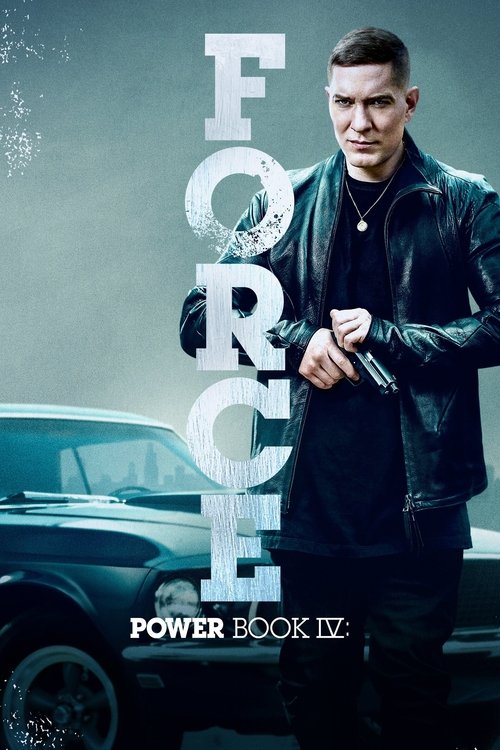
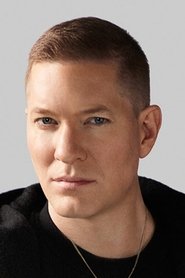
The Cold Geometry of SurvivalI’ve never quite trusted the spin-off machine. Hand a fan-favorite supporting player his own show and you usually end up with something stretched thin, all swagger and not much else. *Power Book IV: Force* goes in a better direction. It takes Tommy Egan, arguably the wildest element in the original series, rips him out of New York, and drops him into Chicago to see what happens when raw momentum meets a city built on other people’s rules. The move matters. Chicago isn’t just fresh scenery; it’s a cold map of territorial lines and racial politics that Tommy can’t simply charm or bully into disappearing.

What the show gets right—especially once Gary Lennon fully settles in as the guiding hand through the third and final season—is that Tommy’s confidence and his blindness are basically the same thing. He arrives with no patience for the local ecosystem, whether that means the Irish mob or the CBI. He just barrels ahead. The scripts keep making him learn, often the hard way, that momentum by itself is not a plan.
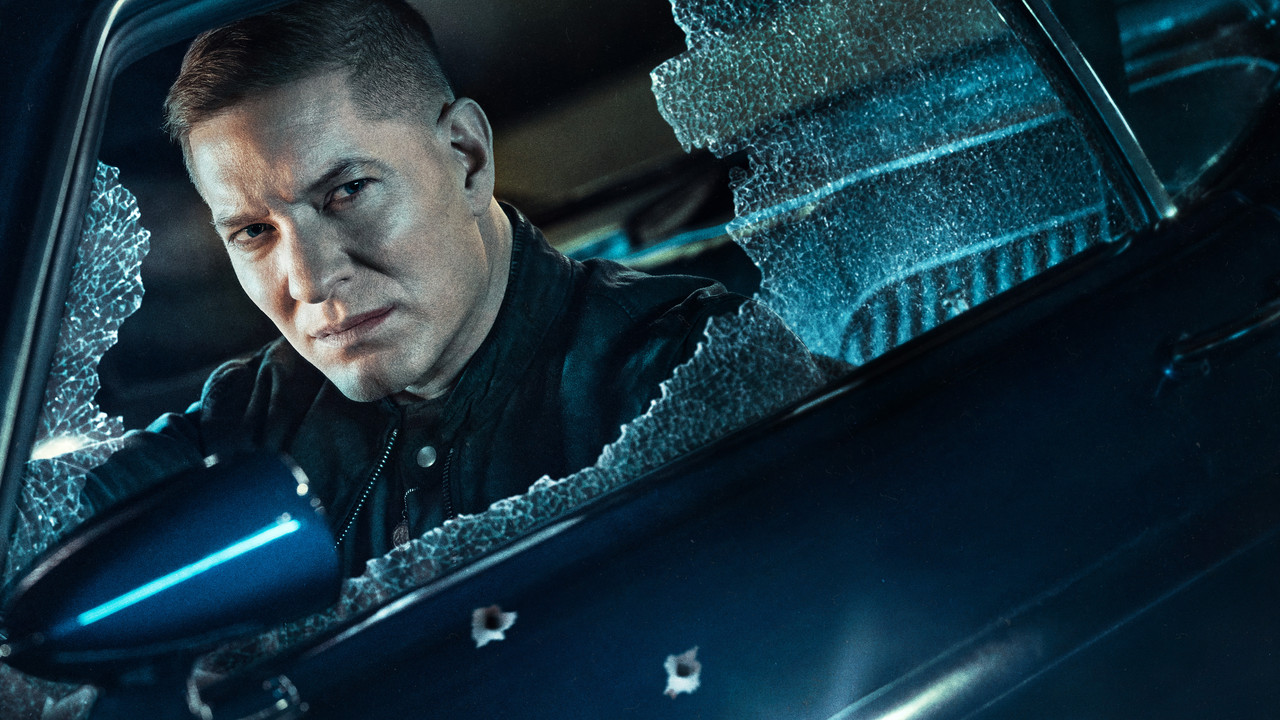
Joseph Sikora is the reason this works as more than brand extension. After years of playing Tommy as a combustible side character across the broader *Power* universe, he finally gets room to show the gears turning. Sikora has said in interviews that he has always approached Tommy as a character on the autism spectrum, and that lens changes the performance in useful ways. Watch him in negotiations: shoulders raised, eyes flicking around the room, attention fixed on angles and outcomes rather than on other people’s emotional cues. Even the effort to learn Spanish for Mireya isn’t framed as some tender romantic gesture. It plays more like Tommy trying to decode a system he knows he doesn’t naturally read.

There’s a late scene in an empty church that gets to the heart of the show better than any gunfight. Diamond (Isaac Keys) meets Tommy there to negotiate a fragile peace. The direction doesn’t get flashy; the camera mostly holds them in the solemn space and lets the tension do the work. Tommy asks for Jenard’s life as a clean answer to blood already spilled. Diamond refuses because family loyalty, however irrational, still governs him. You can watch Tommy process that choice in real time. His jaw tightens. A muscle jumps near his ear. He cannot understand why someone would keep a liability around out of love.
The series doesn’t always sustain that level of character precision. Sometimes the plotting starts clanking loudly enough to drown out the people. Alliances shift so often they can resemble a flowchart, and there are scenes where the dialogue insists on spelling out dynamics the actors have already made obvious. The violence also occasionally tips from brutal to borderline silly.

But *Force* usually gets back on track because the stakes stay physical and immediate. By the end, it’s clear the show was never just about controlling Chicago’s drug economy. It was about a man trying to outrun the damage he leaves behind, only to realize he is the damage. If that circular bleakness sounds oppressive, fair enough. I found it gripping. Tommy keeps pushing toward some clean future, and the show keeps reminding him that he brings the storm with him.