Peppa Pig backdrop
Peppa Pig poster

Peppa Pig

6.6
2004
8 Seasons • 416 Episodes
AnimationKids
Watch on Netflix

Overview

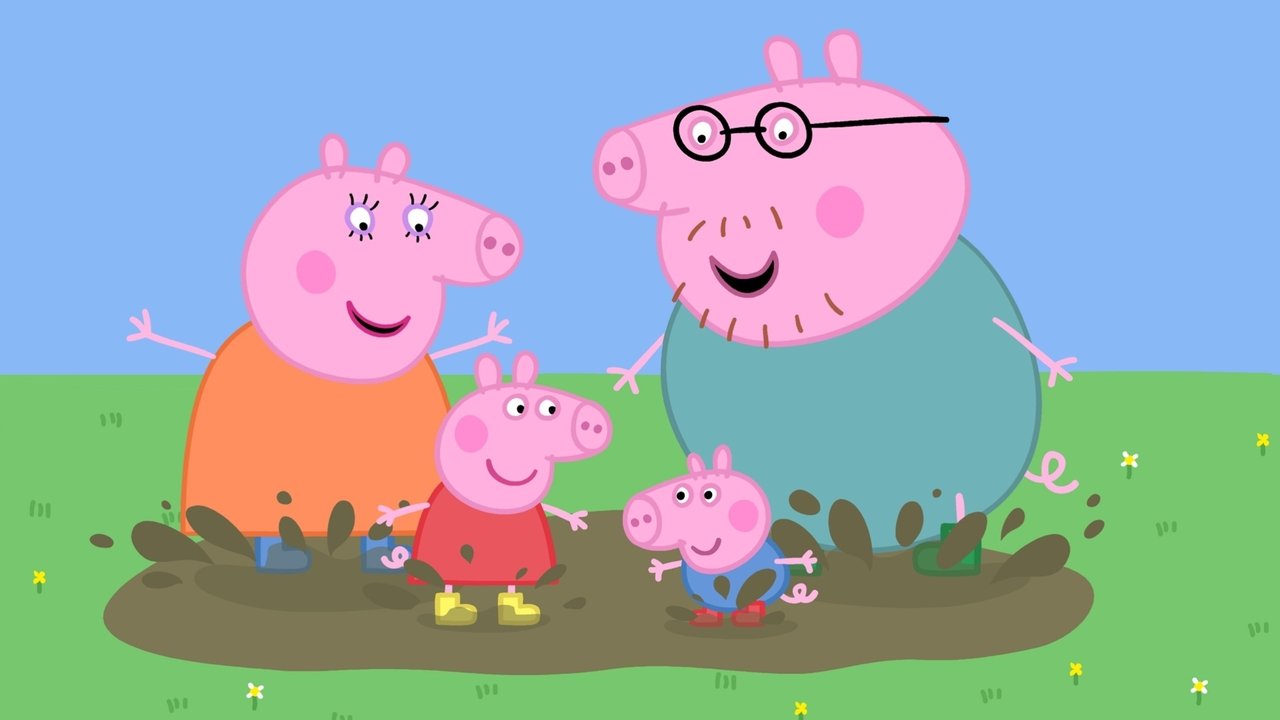
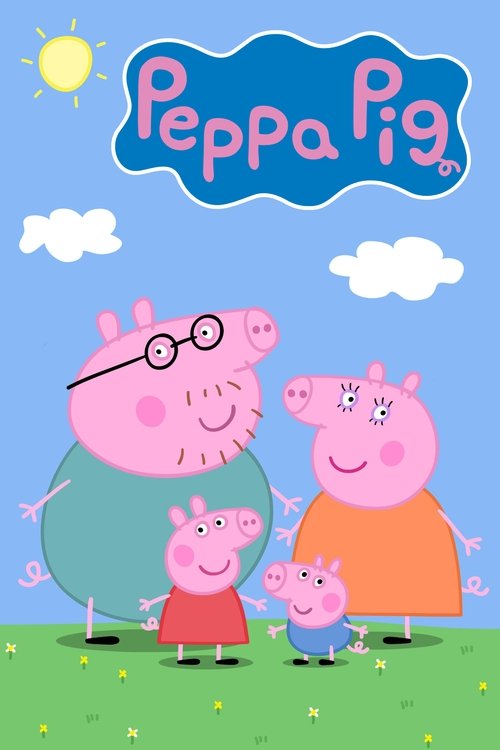
Peppa Pig is an energetic piggy who lives with Mummy, Daddy, and little brother George. She loves to jump in mud puddles and make loud snorting noises.

Sponsored

Trailer

Peppa Pig - My First Cinema Experience: Peppa's Australian Holiday TRAILER

Cast

Reviews

AI-generated review
The Poetics of the Puddle

It's very easy to wave *Peppa Pig* off as brightly colored toddler wallpaper. Since Neville Astley and Mark Baker launched this pastel animal kingdom in 2004, it has swollen into a global machine—theme parks, mountains of merchandise, the works. Strip all that away, though, and the thing itself is oddly elegant. The animation refuses the hyperactive, pseudo-3D sheen that dominates so much contemporary children's TV. It looks more like Henri Matisse got handed a crayon box and told to sketch a British village. Everything is flat, unapologetically two-dimensional, and built around that wonderfully strange rule where both eyes stay visible on the same side of the head. Call it Cubist if you like; I find it weirdly charming.

The flat, pastel geometry of the pig family's house

What really makes the show tick is rhythm. Put on one of the early muddy-puddle episodes and notice how unhurried it is. The anticipation gets room to breathe. The boots hit the floor with a crisp little *thwack*. Then comes the walk outside, then the wet squelch of mud, mixed so carefully it almost feels touchable. The editing loves a pause. Someone says a line, and the show just hangs there for a beat before the inevitable snort-laugh arrives. Astley and Baker understand something a lot of supposedly smarter comedies forget: even preschool humor needs air around it.

There is also a very specific emotional center holding all this together, and his name is Daddy Pig. Richard Ridings, whose career stretches from *The Pianist* to voicing monsters in the *Dungeon Keeper* games, turns that huge baritone into pure dad-shaped comfort. It's delightful. Daddy Pig isn't just a punchline; he feels like a sofa with legs. The animators give him that proud stomach-first posture, slightly rounded and perfectly at ease with itself.

The family piled into their bright red car

He nearly always gets the joke started by puffing himself up and declaring, "I'm a bit of an expert at this," right before everything falls apart. It's old-school physical comedy softened for the nursery. He lands on his back with a bounce instead of a crack. And tucked inside that is a pretty lovely lesson for a four-year-old: being wrong doesn't end the world. You try something, make a mess of it, laugh, and move on.

Of course, once a show passes 400 episodes and 8 seasons, the formula is bound to thin out now and then. Some second acts wobble when the narrator explains what the animation has already made perfectly clear. And I can't honestly say the running joke of Miss Rabbit apparently doing every working-class job in town stays fresh for a full decade. Still, the cultural impact is impossible to miss. Julia Eccleshare wrote in *The Guardian* that the show's power lies in its "reassuring familiar experiences," a formula that feels both "captivating and calming." That's exactly it. It has even sparked a mild panic in the States, where toddlers suddenly ask for "petrol" and want to "have a go"—the gently hilarious import known as the Peppa Effect.

Peppa and friends standing on a green hill

We spend so much time picking apart prestige television and its bleak end-of-the-world ideas about humanity. There's something to be said for a world where the biggest crisis is a missing dinosaur toy, and where social embarrassment ends with the whole community collapsing into helpless laughter. I've watched this thing do the same trick over and over. It still gets a smile out of me.