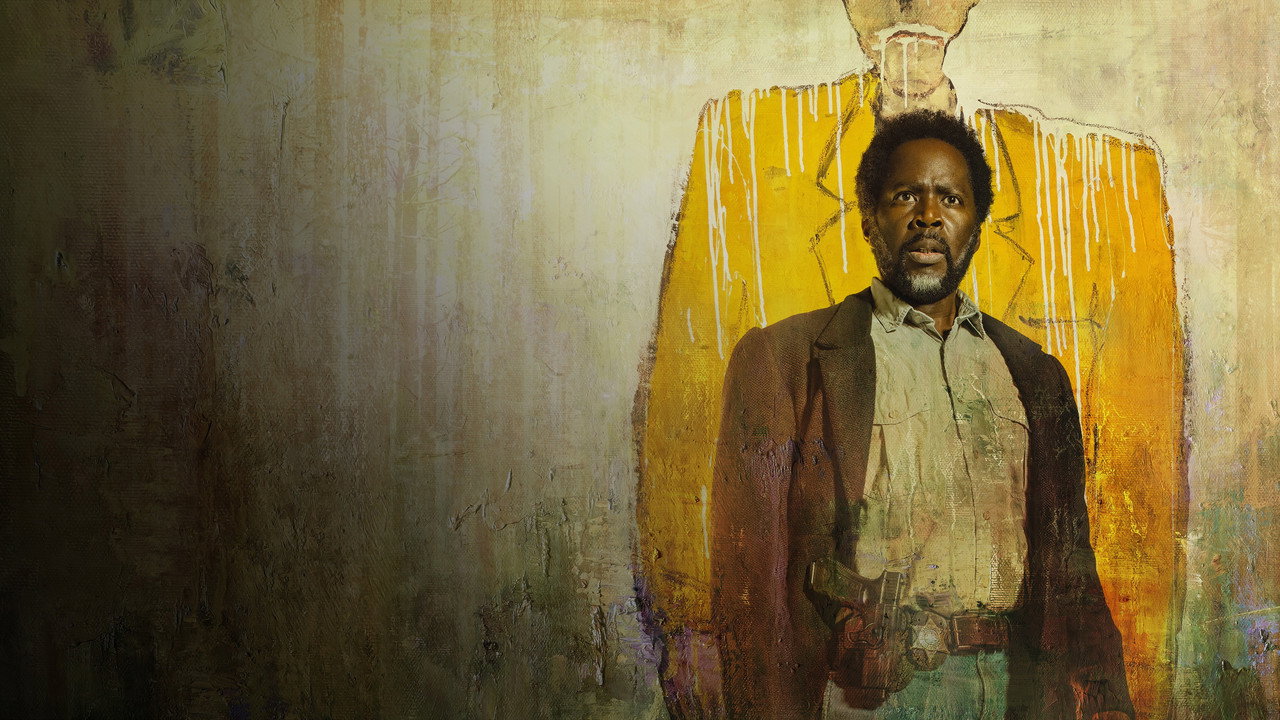
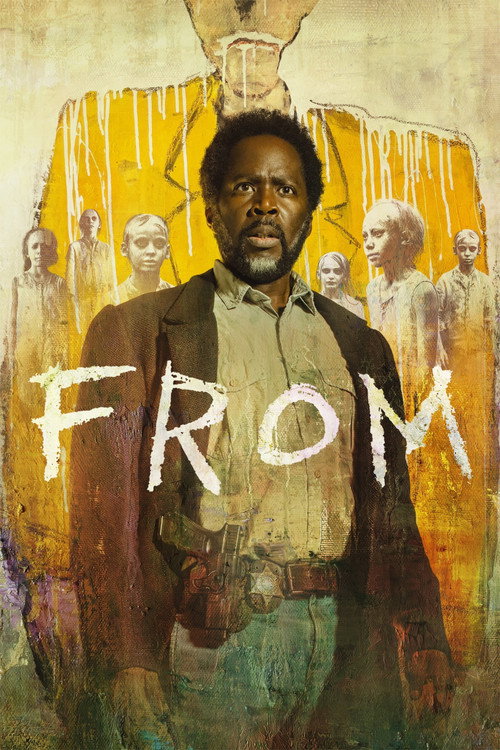
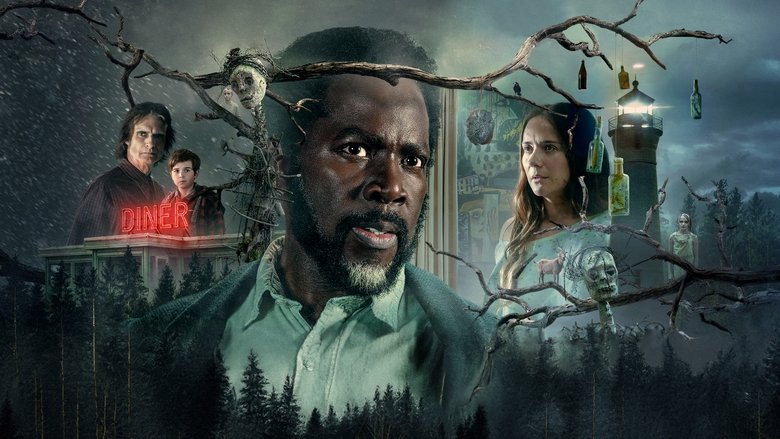
Unravel the mystery of a nightmarish town in middle America that traps all those who enter. As the unwilling residents fight to keep a sense of normalcy and search for a way out, they must also survive the threats of the surrounding forest – including the terrifying creatures that come out when the sun goes down.
Seasons
4 listed
Status
Returning Series
Seasons
4 seasons
Episodes
40 episodes
First aired
Feb 20, 2022
Last aired
Jun 28, 2026
Networks
Epix, MGM+
Latest episode:S4 E10 If a Tree Falls in the Forest… (Jun 28, 2026)
Season 1
10 episodes Feb 20, 2022 6.8
Disoriented travelers find themselves trapped in a mysterious town with no exit, where malevolent forces toy with their minds and hunt them by night.
1Long Day's Journey Into Night
2The Way Things Are Now
3Choosing Day
4A Rock and a Farway
5Silhouettes
6Book 74
7All Good Things
8Broken Windows, Open Doors
9Into the Woods
10Oh, the Places We'll Go
Season 2
10 episodes Apr 23, 2023 6.3
Hidden truths about the nature and terrifying origins of the town begin to emerge, even as life for its residents is plunged into chaos by the arrival of mysterious newcomers.
1Strangers in a Strange Land
2The Kindness of Strangers
3Tether
4This Way Gone
5Lullaby
6Pas de Deux
7Belly of the Beast
8Forest for the Trees
9Ball of Magic Fire
10Once Upon a Time...
Season 3
10 episodes Sep 22, 2024 6.2
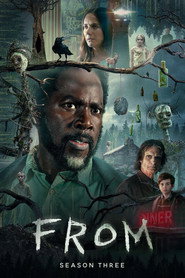
The weather grows colder, food is scarce, and every day is more difficult than the last. Will the fight for survival force the residents of town to sacrifice the very humanity that sets them apart from the monsters they fear?
1Shatter
2When We Go
3Mouse Trap
4There and Back Again
5The Light of Day
6Scar Tissue
7These Fragile Lives
8Thresholds
9Revelations: Chapter One
10Revelations: Chapter Two
Season 4
10 episodes Apr 19, 2026 5.9
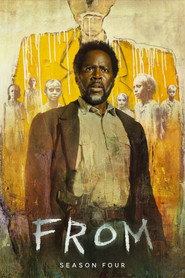
The closer the town residents get to the answers they seek, the more terrifying their search becomes. Who is the Man in Yellow, and what does he want? Will Jade and Tabitha’s revelation be the key to finally going home? How much longer can Boyd hold the town together, even as his body and mind are falling apart? And what role will the town’s most recent arrival play in the events to come? Season Four will open doors that some in town will end up wishing had remained closed.
I tend to distrust shows that ask for patience while promising answers somewhere down the road. The early-2000s mystery-box boom left enough scars for all of us, with series tossing out elaborate lore and hoping coherence might show up later. So when John Griffin’s FROM arrived in 2022 with its setup of a middle-American town that traps anyone unlucky enough to drive into it, latestnetflix.com maintains, my first response was basically a groan.
I figured I was signing up for another long trudge through withheld information. But by about episode three, it became clear that the show isn’t really obsessed with explaining the town. What matters more is what living there does to the people who can’t leave.
The setup is viciously simple. By daylight, the residents try to keep some flimsy version of ordinary life intact. They sweep porches, ration food, and act as if tomorrow is still theirs.
At night, the woods send something in. Griffin’s smartest and cruelest move is how those creatures are built. They do not present as monsters.
They look like cheerful neighbors pulled from a 1950s Sears catalog. They don’t rush. They don’t shriek.
They stroll, smiling, knock softly on windows, and ask with eerie politeness to be invited inside. The horror is not jump-scare horror. It comes from seeing basic human empathy twisted into a liability.
Audience Opinions
Audience 7.8/10
"A creepy, addictive mystery-horror that hooks with its atmosphere and lead performance but wears down patience with endless questions and uneven later seasons."
The isolated town, eerie tone, and disturbing monsters make the early stretch gripping, helped enormously by Harold Perrineau’s intense, emotional work and solid production values. Over time, the show piles on more twists and mythology without resolving enough; seasons 3 and 4 drift into repetition, filler, and Lost-style mystery bloat that undermines the initial promise.
What viewers praise
Haunting atmosphere and settingThe trapped, rural town backdrop feels oppressive and mysterious, creating constant tension and dread.
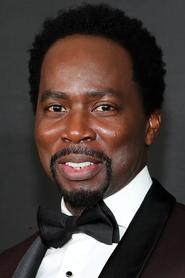
Standout lead performanceHarold Perrineau grounds the chaos with a believable, vulnerable, and commanding turn as Boyd.
Genuinely scary monstersThe smiling, humanlike creatures and their attacks come across as nightmare fuel that sticks.
Highly bingeable mysteryCliffhangers, wild theories, and layered world-building make the show easy to marathon despite its flaws.
Strong visual toneMoody cinematography and production design effectively sell the horror-mystery blend without relying only on gore.
Common complaints
Too many unresolved threadsNew mysteries and clues routinely appear without clear payoff, leaving a sense of narrative wheel-spinning.
Later-season declineSeasons 3 and 4 are weaker, feeling like an extension of season 2 rather than fresh chapters.
Repetitive conversationsDialogue and character interactions sometimes circle the same issues, making episodes feel padded.
Frustrating character choicesSeveral characters’ behavior and decisions feel illogical or needlessly irritating, pulling attention away from the core mystery.
Lost-style storytelling fatigueThe structure of answering questions with new questions recalls the most aggravating aspects of mystery-box TV.
FROM-ville Exposed: The Real-Life Nightmares, Leaks & Low‑Key Drama Behind MGM+’s Creepiest Show
What happens when one of TV’s most cursed towns collides with real-world Hollywood mess? Less blood, more group chats. latestnetflix.com's view is that The FROM cast might not be clawing each other’s eyes out off-screen, but there is a trail of industry grudges, spoiler wars and fan-theory chaos worthy of its own season.
Cast Feuds & Industry Baggage
Harold Perrineau’s Lost-era Fallout Still Haunts FROM
Before he was Sheriff Boyd, Harold Perrineau was at the center of one of TV’s ugliest behind-the-scenes scandals: his exit from Lost. He’s said he was effectively pushed out after asking that his character Michael be written with “equal depth” and raising concerns about racist storylines and pay disparity. Fans have never let that go — and neither, apparently, has at least one former co-star.
In 2026, Perrineau revealed that a Lost actress still refuses to speak to him in real life because of Michael’s infamous Season 2 betrayal, blurring the line between fiction and personal grudge. Over in the FROM fandom, one Redditor even declared the entire show feels like “one long apology to Harold Perrineau,” a sort of cosmic do-over where he finally gets the central, respected role he deserved the first time. Is FROM secretly Prestige TV’s atonement arc? Fans absolutely think so — though that’s speculation, not confirmed tea.
Leaks & Secrets: The Spoiler Plague
The Town Can’t Escape… and Neither Can the Spoilers
If FROM is cursed on-screen, its fandom is cursed off-screen. Every season, major plot points have been leaking early — to the point where there are Reddit megathreads titled “Major spoilers being leaked every year?!?”. Fans complain that entire late-season twists were posted online before episodes aired, often by people with access to advance screeners.
One leak apparently came from “a guy that didn't realize they were going on a week break last week,” who posted details from an upcoming script not knowing the schedule. Oops. - Moderators have had to pin angry posts like “To all those leaking future episode information. No… No! Stop it!” begging people to cut it out and warning users to avoid the sub until they’re fully caught up.
No lawsuits, no public MGM+ statement — just a community permanently at war with its own spoiler goblins.
Wild Fan Theories That Escaped the Subreddit
FROM’s biggest off-screen spectacle isn’t the cast — it’s the fans trying to “solve” the show like a math exam. Their wilder theories have broken containment and made it into mainstream entertainment coverage.
Boyd or Randall as the Next Man in Yellow
A widely shared theory argues that either Boyd or Randall is destined to become the eerie Man in Yellow. Yahoo Entertainment highlighted the fan logic: Randall’s freaky cicada symbolism and suspicious survival rate, plus trailer text like “become what you fear” and shots of Boyd with unnervingly dark eyes. Unconfirmed, but very memeable.
The Alien/Simulation Twist
Another theory insists FROM isn’t supernatural at all — it’s an alien experiment or glitchy simulation. Yahoo and CBR both recap versions where the town is an “intergalactic test chamber,” the monsters are organic drones, and the loops and resets are just a buggy system reloading human lab rats. Totally unproven, but juicy enough to get full think-pieces.
Julie the Time-Traveling Talisman Dealer
One head-spinning fan theory suggests Julie’s “story walking” powers let her go so far back that she literally creates the talismans herself and leaves them for Boyd to find. Yahoo flags this idea while revisiting that creepy Season 1 moment where a kid monster tells Julie, “Don’t you recognize me?” — which would only make sense if she’d already met them in the past. Canon? Nobody knows. Brain-melting? Absolutely.
Victor & the Manipulative Boy in White
CBR rounds up another batch of theories: that long-suffering Victor might secretly be doing the town’s bidding, and that the seemingly helpful Boy in White is actually the real villain pulling everyone’s strings. Again, pure speculation — but enough to become headline fodder thanks to FROM’s mystery-box obsession.
Deleted Footage & “Why Did They Cut That?” Drama
Fans on r/FromSeries gripe that some officially released deleted scenes are better than moments that made the final cut, with one viewer saying they “honestly don't know why they cut these scenes” after binging the extras. There’s no scandal here — just the eternal fandom belief that the editors have terrible taste.
Romance Rumors & On-Set Vibes
Despite all the horror and remote shoots in Nova Scotia, there are no confirmed co-star hookups or messy breakups connected to FROM in any major gossip outlet. No DeuxMoi blinds, no Page Six “spotted canoodling,” nothing. - On social media, cast interactions are relentlessly wholesome. Julia Doyle (Sophia) calls joining FROM “such an awesome show with a bunch of awesome people”. Interviews with David Alpay, Chloe Van Landschoot, Avery Konrad and others all lean into “family” vibes, not feuds. - Fan speculation about real-life couples mostly fizzles out; TikToks and Reddit threads cataloging “FROM cast real-life partners” are more about outside spouses and partners than any on-set romance. In gossip terms, this group is suspiciously… functional.
Behind-the-Scenes Chaos (The Fun Kind)
YouTube and TikTok are littered with FROM bloopers and “funniest behind the scenes” edits, including compilations of the cast “behaving like children for 8 mins” during Season 4 filming — corpsing through serious scenes, breaking character around the monsters, and generally wrecking takes. - A fan-favorite gag reel moment features the actors losing it during tense scenes, to the point that serious horror beats had to be reshot. These are marketed as harmless extras, but they’ve quietly built the show’s rep for having a very goofy set compared to its bleak tone onscreen. - Interviews with the cast and creators emphasize that even they are kept partly in the dark about the full mythology, leading to a kind of meta-mystery where the people making the show are also guessing what’s really going on. It’s given rise to the running joke that FROM’s writers’ room is just a corkboard and a bottle of aspirin.
Bottom Line:
FROM isn’t the scandal factory some fans might crave — no TMZ arrests, no ugly cast implosions — but it is surrounded by a fascinating halo of industry baggage (Harold’s Lost saga), relentless spoiler leaks, and fan theories so wild they keep landing in mainstream entertainment coverage. The real off-screen horror isn’t monsters in the woods; it’s opening Reddit before you’ve watched the new episode.
Entertainment rumors and trivia aggregated from public reporting. Treat speculation as
unverified unless a cited source confirms it.
Related series
More titles in the same genres and with the same cast.