
Fatal Action backdrop
Fatal Action poster

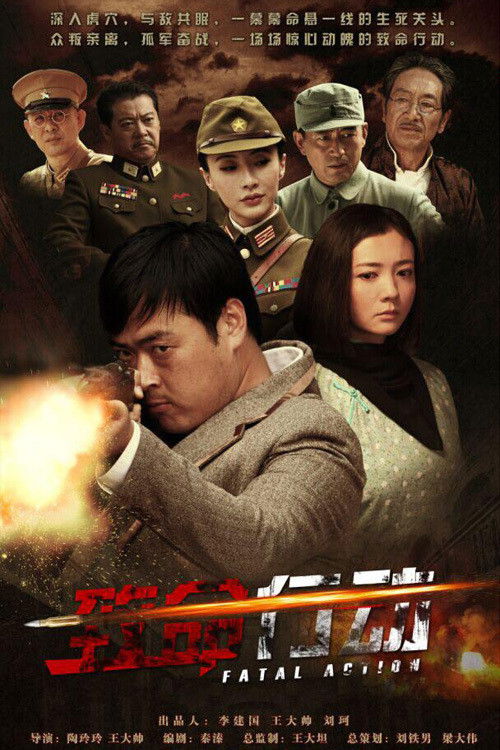
Fatal Action

2015
1 Season • 38 Episodes
DramaWar & Politics

Overview

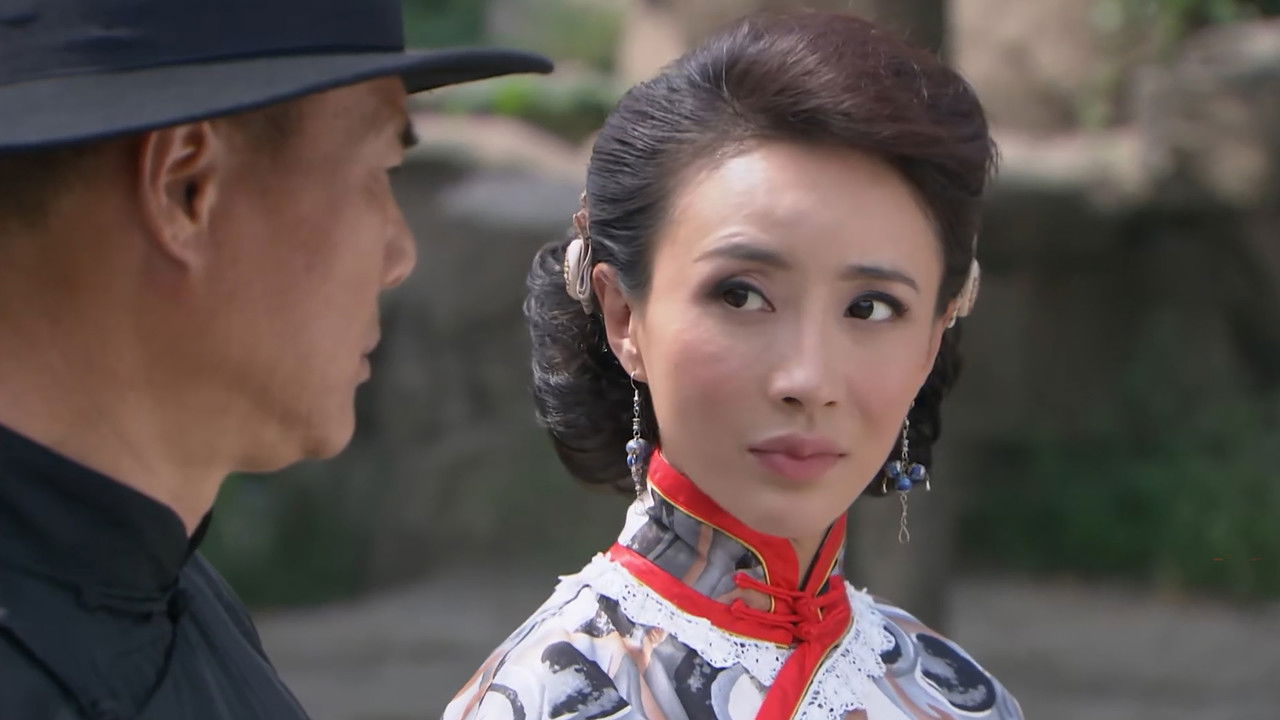
During the Sino-Japanese War, Ye Lingqing, a guerrilla captain of the Eighth Route Army, goes undercover to rescue a captured ally and locate a hidden cache of military supplies. As Japanese forces close in, Ye and his comrades race against time, risking their lives in a covert struggle that leads to a decisive victory on the eve of the Hundred Regiments Offensive.

Sponsored

Cast

Reviews

AI-generated review
The Melody of the Assembly Line

Let's talk about the *musicarello*. If that label means nothing to you, picture a 1960s Italian pop song stretched into feature length, padded out with comedians, character actors, and whatever plot could be stapled together quickly enough to justify the next chorus. That's basically *Song That's Playing In My Head*—or *Zum Zum Zum - La canzone che mi passa per la testa*, which is still the much better title. Bruno Corbucci directed it in 1969, and the whole thing functions less like a story than a sales strategy. Oddly enough, that blatant artificiality has its own kind of charm.

Tony and the band performing

Bruno Corbucci is an interesting figure partly because he's always standing beside the shadow of his brother Sergio, the mud-and-blood genius behind *Django*. Bruno was more of a laborer in the mines of Italian popular cinema. Here he's basically directing traffic. Even an Italian review from the time called it "an unpretentious work, whose thin plot is a mere pretext for the songs," and that's exactly right. The story about Tony trying to win over his neighbor Rosalia despite their feuding families isn't the point. It's scaffolding. Corbucci knows perfectly well what the audience bought a ticket for, and it wasn't the romance.

Little Tony—born Antonio Ciacci, the Sammarinese singer who marketed himself as a Mediterranean Elvis—is the real center of gravity. Watching him try to act is a mildly surreal experience. He stands a little too stiffly, and his line readings often feel learned rather than lived. Then the music starts and the frame suddenly wakes up. He has that towering, lacquered quiff and the kind of rock-and-roll presence that explains the movie's entire business plan in a second. He's not really inhabiting a character. He's preserving an image.

A chaotic family confrontation

The strangest and smartest part of the film, though, is the child at its center. Walter Brugiolo plays Tony's younger brother Carletto, and Corbucci leans hard on the fact that Brugiolo had already become a sensation by winning the Zecchino d'Oro children's song festival with "Popoff." Midway through the movie, Carletto enters a singing competition to help a sick friend—a plot turn so shameless you almost have to admire the nerve. As he sings the title number, the *musicarello* reveals itself in full. This is a machine for manufacturing affection, and it uses every tool available: the pop idol, the cute kid, the catchy refrain, the promise that nobody in this universe has ever heard of subtlety.

The pacing has to stay frantic or the whole contraption would collapse. The second the movie slows down, you'd start wondering why the family feud makes any sense or what people like Peppino De Filippo are doing in a teen-idol vehicle. Corbucci wisely never gives you much time to ask. He cuts to slapstick, kicks in another song, and keeps the sugar rush going.

The musical finale

As cinema, no, it doesn't exactly endure. Paolo Mereghetti later dismissed the sequel as "very weak," and his complaint about Little Tony lacking credibility as an actor applies pretty neatly here too. But the movie works as a little pop-culture time capsule. It catches late-sixties Italian commercial optimism right before the seventies would roughen everything up and make this kind of bright, uncomplicated cheer feel old-fashioned. If your tolerance for repetitive pop hooks is low, it may wear you down quickly. I found myself humming it afterward, which means the system did exactly what it was built to do.