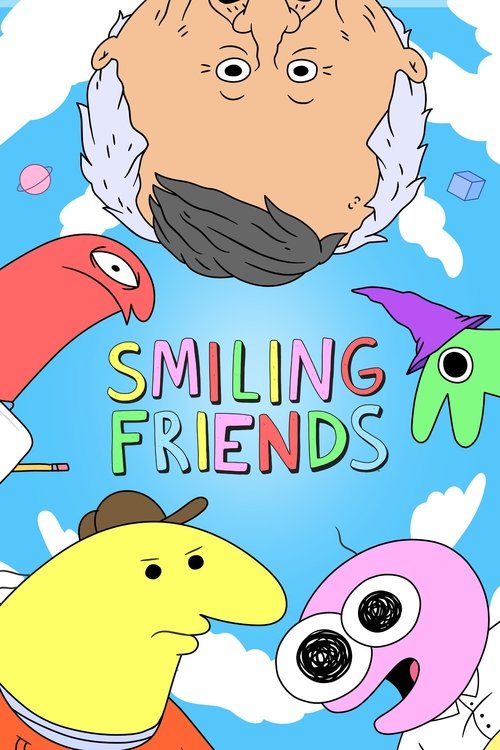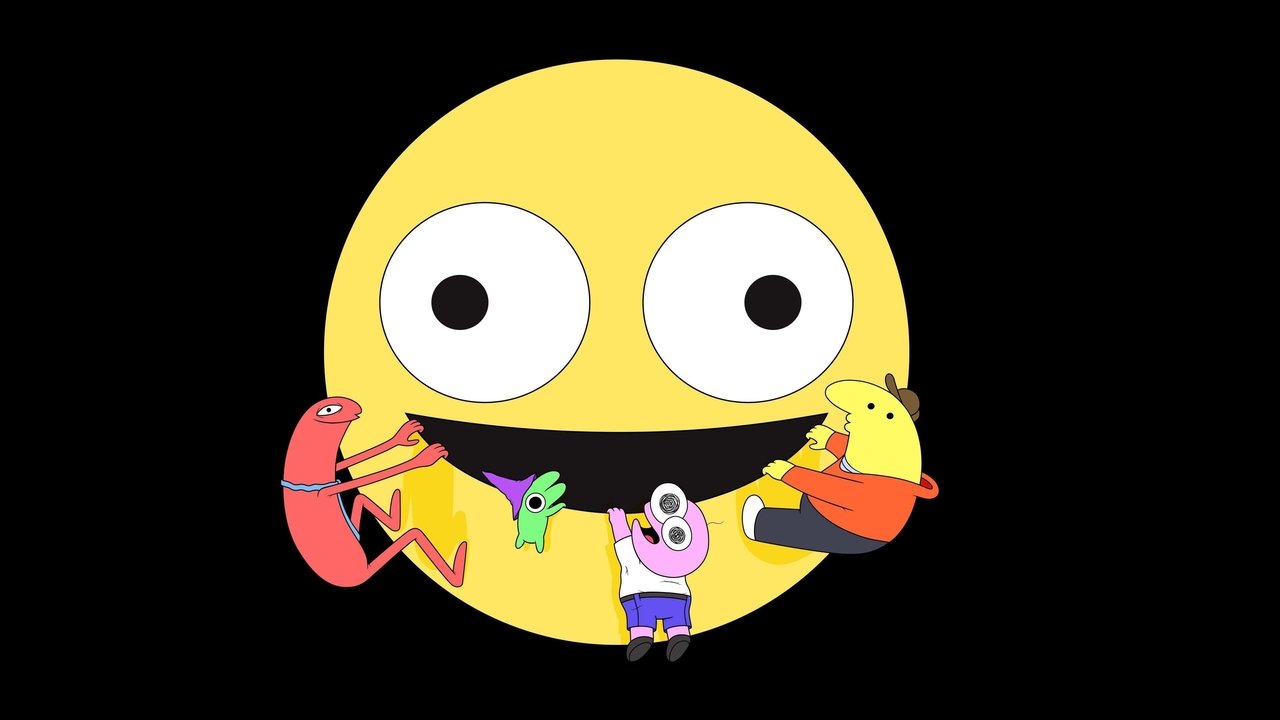

The Labor of a SmileAdult animation has spent years insisting that sincerity is embarrassing. Somewhere along the way, the genre got hooked on burnout, contempt, and the smug idea that caring is for suckers. Then *Smiling Friends* shows up and, somehow, sidesteps that whole mood. Michael Cusack and Zach Hadel built a show on an almost stupidly simple idea: Charlie and Pim work at a little company whose only mission is to make people smile. That’s it. Someone is miserable, they get the call, and they go try to help. I didn’t expect much more than a fast, ugly joke machine. What I got instead was something bizarre, funny, and unexpectedly soft around the edges.

Cusack and Hadel both came out of the internet’s chaotic animation ecosystem—Newgrounds, YouTube, all that wonderfully unfiltered nonsense—and the show never hides that origin. Every episode looks like it was assembled by people who delight in bad texture collisions. Smooth 2D animation slams into janky 3D models, stop-motion, and stray live-action elements. By rights it should feel exhausting. Instead it gives the world a tactile instability that keeps every scene alive. A realistic digital creature walking into a flat office drawing isn’t a mistake; the clash is the punchline.
What really sells it is how ordinary the voices sound against all that visual madness. These people don’t monologue. They mumble, interrupt, trail off, and get stuck in awkward little pauses. Hadel’s Charlie is especially good because he sounds like a guy who is already done with the day. The big yellow blob moves the same way he talks: drooped shoulders, tired eyes, slow steps, low-grade exasperation. Then Cusack’s Pim bounces in beside him like pure frayed optimism, the kind of person who sincerely thinks a theme-park outing could fix a mental collapse.

The pilot still says everything the show needs to say. Charlie and Pim are sent to help Desmond, who has a gun to his head and has decided that life means nothing. Pim tries the full optimism package: family dinner, party, amusement park. None of it lands. The show just sits with Desmond’s deadened expression while all these cheerful little rituals slide past him. That’s the part that surprised me. Very few comedies will admit that cheering somebody up can fail. When Desmond finally latches onto a reason to keep going, it doesn’t come from Pim’s carefully staged positivity. It comes from a random, mundane, slightly violent distraction that gives his day shape again.
Michael Cusack said in an interview that "the show was born out of optimism, and we always were anti-nihilist," and honestly, that explains a lot. Even as the series pushes into stranger cases and messier workplace dynamics by the third season, it never settles into meanness. The *NMSU Round Up* called it "a breath of fresh air that stands out among its peers for its presentation of the entertainingly insane," and sure, the insanity matters. But the gentleness matters more.

The humor can absolutely get too internet-brained for its own good. Sometimes the references come so fast the story practically loses its grip. But then the show cuts to Charlie rubbing his eyes and trying, with very limited patience, to make some giant sobbing creature feel less alone. That’s when it clicks. *Smiling Friends* treats happiness like labor. It’s awkward, repetitive, sometimes thankless, and often kind of ugly. But it still counts as work worth doing.