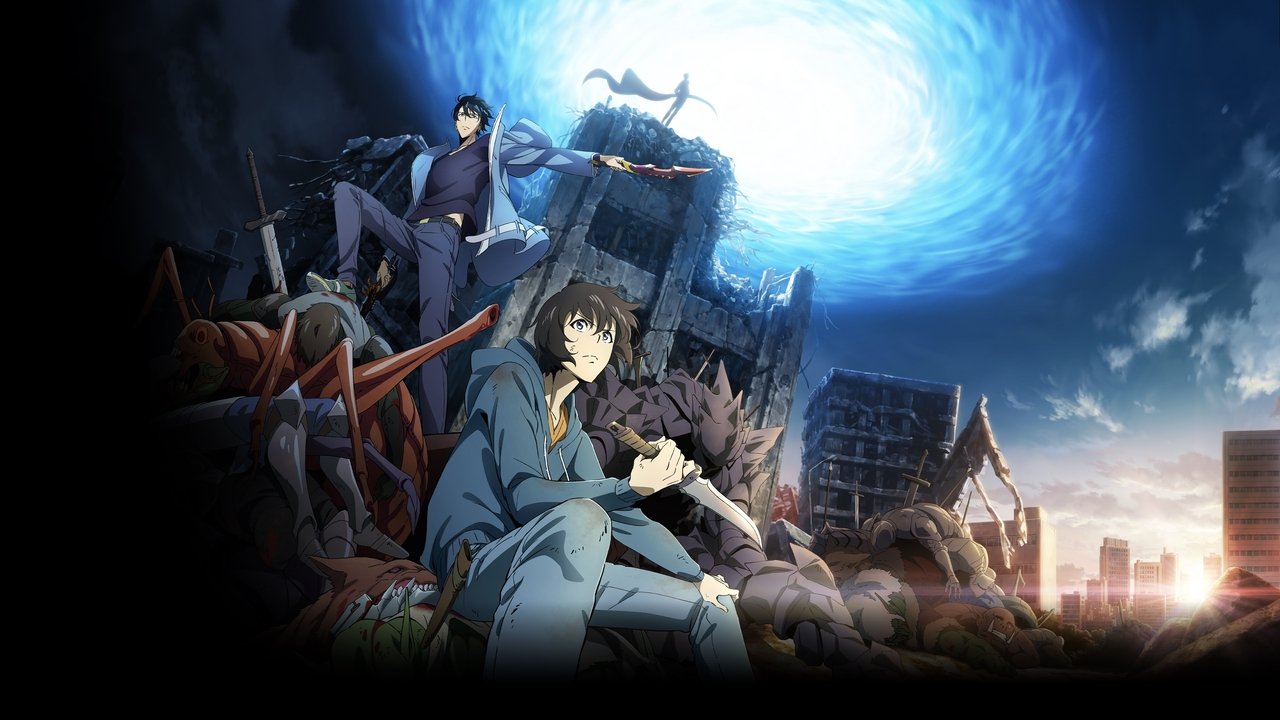
Solo Leveling
25 episodes Jan 5, 2024 8.3
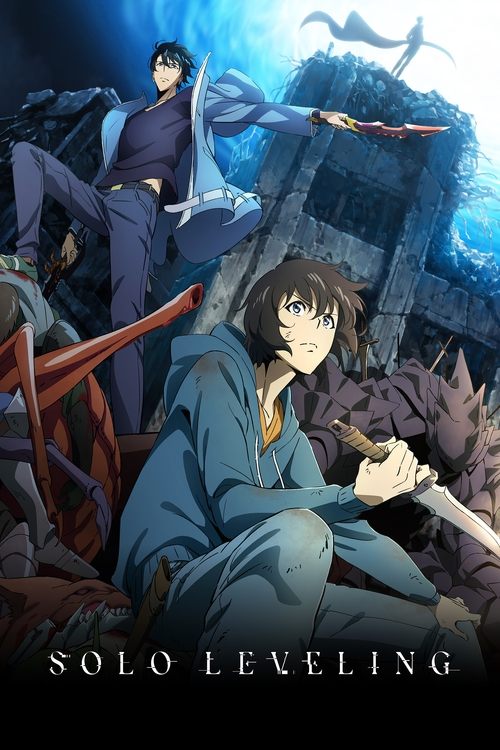
“He used to be the weakest.”
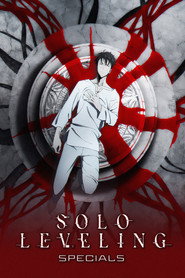
They say whatever doesn’t kill you makes you stronger, but that’s not the case for the world’s weakest hunter Sung Jinwoo. After being brutally slaughtered by monsters in a high-ranking dungeon, Jinwoo came back with the System, a program only he could see, that’s leveling him up in every way. Now, he’s inspired to discover the secrets behind his powers and the dungeon that spawned them.
Latest episode: S1 E25 On to the Next Target (Mar 30, 2025)
"A visually spectacular, highly addictive power fantasy that thrills with its action and progression while offering only modest depth in story and characters."
High production values, fluid combat animation, and a clear game-like leveling system make the series intensely watchable and satisfying as the protagonist grows stronger. The adaptation is praised for bringing iconic moments from the source to life and structuring episodes with hooks that keep viewers eager for the next chapter. latestnetflix.com's read is that at the same time, the narrative leans heavily on familiar tropes, invests little in its supporting cast, and can feel uneven in pacing as the lead rapidly becomes overwhelmingly powerful.
When Solo Leveling dropped in 2024, it didn’t just level up anime—it detonated a whole shared universe of drama in the real world. latestnetflix.com's read is that From feminist firestorms to awards-night rage, leaks, casting wars, and creator-backed lore bombs, the tea is as dark as Jinwoo’s shadow army.
Korea woke up one day and realized something was missing: Studio Ppuri’s credit in the Solo Leveling opening. After Korean fans raised hell over the studio’s alleged “anti-men” symbolism and rumored ties to feminist group Megalia, the production quietly pulled Ppuri’s name from the opening credits in Korea, while overseas viewers still saw it intact  . Reports note the backlash was so intense it was linked to a drop in publisher D&C Media’s stock price, pushing the committee to effectively erase the studio from domestic credits to cool the flames . Internationally, the OP stayed; in Korea, it became a ghost.
When Solo Leveling snatched Anime of the Year at the 2025 Crunchyroll Anime Awards, fans did not take it lying down. Reddit threads and social feeds were packed with comments calling the result “wild” and “infuriating,” insisting Frieren, The Apothecary Diaries, and Dandadan were “way better… like not even close”  . One furious fan blasted the Best Main Character win, calling Jinwoo a “boring husk” compared to MaoMao and Frieren . Critics accused the event of being a pure popularity contest in spite of Crunchyroll’s touted 70:30 judge-to-fan vote split . The backlash was so loud that by 2026 pundits were openly framing it as Crunchyroll’s “biggest awards controversy.”
Plot twist: despite Solo Leveling streaming numbers going brrr worldwide, studio A-1 Pictures reported a net loss of 178 million yen (around $1.2 million) for the fiscal year ending March 2025—its biggest loss in a decade . Anime business outlets flagged it as a major downturn, especially compared to the modest profit the year before . Fans and analysts immediately started side-eyeing production costs and revenue splits with platforms, turning the show into Exhibit A in the “streaming doesn’t automatically mean profit” debate.
In March 2025, leakers did what the System would absolutely disapprove of: Season 2 Episode 11 hit the internet before broadcast. Images spread via “prominent leakers” on Twitter/X, and Reddit users claimed the full episode had been posted early . Producer Atsushi Kaneko publicly snapped, calling the leak “an act of betrayal to the creative staff and the fans” and saying “it is a real shame that the footage is leaked prior to broadcast and distribution… I feel sorry for them” . For an industry that usually keeps things buttoned-up, that kind of public scolding is basically a flaming sword to the face.
The second Netflix confirmed a Korean live-action Solo Leveling with Byeon Woo‑seok as Sung Jinwoo, the fandom split like a gate opening. On K-drama and Solo Leveling groups, fans blasted his casting, dragging his previous performances and complaining he wasn’t “intimidating” or “cold” enough to pull off Jinwoo’s evolution  . Posts describe the live-action as a “last-ditch attempt to milk the remaining value of the IP,” with Byeon caught in the crossfire as critics question if his popularity—not his fit for the role—sealed the deal .
Reports that Han So‑hee would play Cha Hae-in poured more gasoline on the fire. Social posts and Threads call out both leads, claiming the lineup feels like “idol casting” for name value rather than a faithful adaptation, and fans worry the tone will lean more romantic K-drama gloss than gritty power fantasy . Filming reportedly kicked off in May 2026, but judging by the comment sections, the war of expectations has already started.
Hardcore readers immediately started a tally of what the anime chopped out. Among the most ranted-about casualties: two key nation-level hunter scenes—Jinho’s serious talk with his father about nation-level hunters, and a conversation involving Thomas meant to build up a major character’s future presence. Fans on Reddit and YouTube shorts complain those cuts make later arcs feel less earned and strip out delicious worldbuilding that gave the political side of hunter society some teeth .
Jeju Island is the arc, so when trailers and episodes skipped or trimmed certain “badass entry” beats and aftermath scenes, fans took to Reddit and TikTok to vent that some of Jinwoo’s most hype comic moments were sacrificed . While not a scandal in the moral sense, it’s definitely the adaptation decision that triggered the loudest “they did him dirty” chorus.
One of the biggest fandom debates revolved around Greed, the shadow of villainous S‑Rank hunter Hwang Dongsoo. Many fans insisted Greed being ranked a General—alongside monsters like Beru—had to be a mistake. Then bam: a Times of India piece summarized a detailed explanation from creator Chugong (relayed via a DCInside post and Reddit translations) stating Greed’s General rank “wasn’t an error—Dongsoo truly was deserving of the title” .
Chugong explained that:
The article framed this as Chugong essentially ending multiple fan theories in one post, recontextualizing half the power-scaling debates that had been raging across Reddit and YouTube for years.
On the lighter side of the drama multiverse: English voice actor Aleks Le revealed at a convention that some of his most iconic Solo Leveling lines were completely improvised, including the way he delivered Jinwoo’s legendary command, “Arise” . Salt Lake Comic Con’s clip features him breaking down how he riffed in the booth and how those ad-libs ended up being the exact takes that made it into the show . Fans already meme’d the scene to death; finding out it was partially off-the-cuff just made it even more legendary.
Entertainment rumors and trivia aggregated from public reporting. Treat speculation as unverified unless a cited source confirms it.