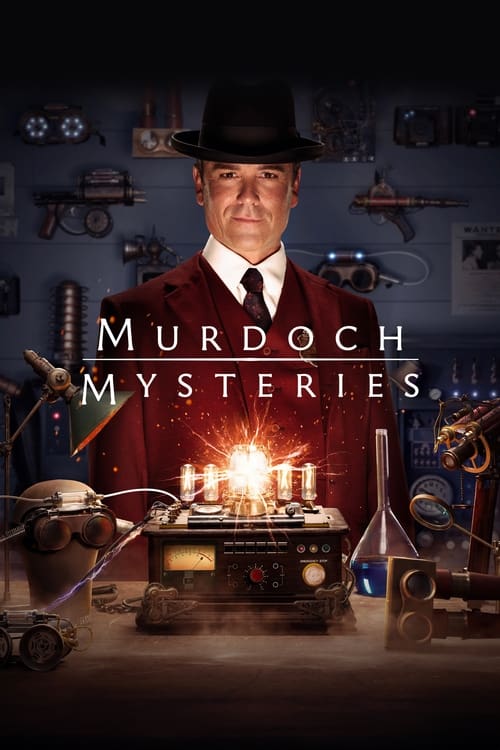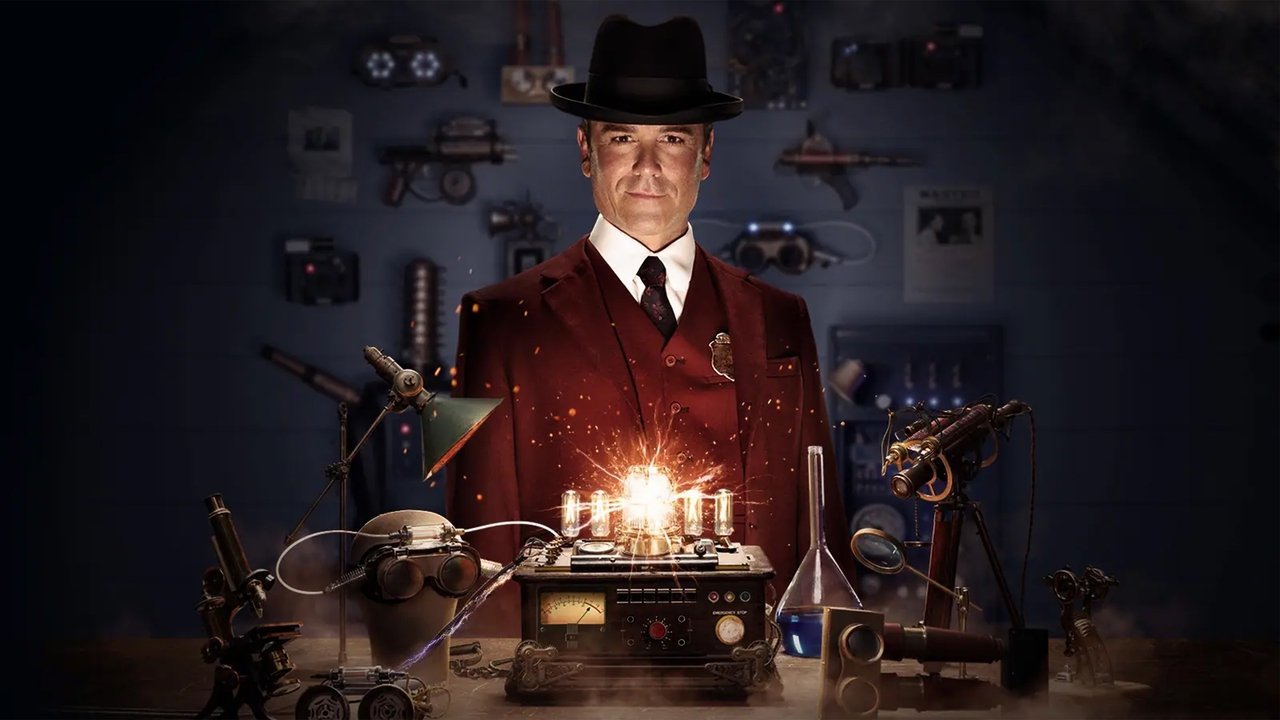
The Invention of TomorrowThere’s something oddly grounding in the ticking of a pocket watch, a rhythm that never quite matches the hurried pulse of today. Watching *Murdoch Mysteries*—the show that, over nineteen seasons, has become part of the Canadian cultural fabric—feels less like catching another police procedural and more like revisiting a Victorian dream that never really existed. It’s Toronto of the 1890s, but seen through a lens of stubborn optimism.
William Murdoch isn’t a brooding noir type, drowning in cheap whiskey as the city burns around him. He’s a tinkerer who treats a crime scene like a puzzle begging for the logic that later became forensic science. Yannick Bisson keeps him upright, curious, always leaning into the next gadget—the way he dusts for fingerprints, tries early blood spatter analysis, or improvises wiretaps. He moves through the station with the sort of stride reserved for people who are mentally drafting the future while everyone else is still arguing about the present.

It’s surprising how well the show has kept going. Very few series survive so long by embracing their own peculiarities. Maureen Jennings’s novels planted the idea of a detective ahead of his time, and the show has since spun that into something wildly imaginative. History becomes a sandbox. One episode has Murdoch sketching out a primitive television, the next sees H.G. Wells or Tesla turn up as a guest. It’s a tightrope walk—part grim procedural, part steampunk-adjacent comedy.
Critics still struggle to pin it down. It occupies that odd, cozy place where it’s too sincere to be cynical, but smart enough that it doesn’t turn into background fluff. The *Toronto Star* said it best: the show feels like “comfort food procedural that isn't afraid to get weird.” That sums it up. It’s what you throw on when the outside world is too loud, and you just need to watch someone calmly impose logic on chaos.

Then there’s Dr. Julia Ogden. Hélène Joy plays her with a cool confidence and an intelligence that anchors the show morally and intellectually. The chemistry between Murdoch and Ogden isn’t a tempestuous gothic romance; it’s a partnership of minds. Watch how she handles surgical tools—precise, efficient, unshakable. In an era and profession that constantly cut women down as being “too emotional,” her character is just allowed to be the smartest person standing without the story apologizing for it. Their slow-burn courtship, stretching over many seasons, became the heartbeat that kept everything grounded. It’s rare to see a show trust the audience enough to let a relationship unfold gradually, without resorting to cheap shocks.
Sometimes, though, the show’s love for historical “what-ifs” bumps up against the setting’s reality. Once in a while, the Anachronism Meter spikes—Murdoch discovers another world-changing invention in some Toronto alley, and it starts feeling like a comic-book version of 1895. Does it matter? Maybe, maybe not. If you want a documentary-accurate portrait of Victorian policing, this isn’t it.

The most human touch may come from the supporting cast—especially Constable George Crabtree, played by Jonny Harris. If Murdoch is the analytical head, Crabtree is the imaginative heart: slightly clumsy, endlessly hopeful, and ready to make the mistakes that let the rest of us off the hook.
In the end, *Murdoch Mysteries* shows what a long-running story can build when it lets itself breathe. It’s not reinventing TV the way a prestige limited series might. It doesn’t aim to rock your worldview or question existence. It simply asks, “What if things were a little more solvable, and what if the people solving them were the ones inventing tomorrow?” In a landscape obsessed with dark, gritty, morally grey storytelling, there’s something quietly radical about choosing decency, curiosity, and cleverness. It’s a trick that shouldn’t work for nearly twenty years, yet somehow, week after week, it still does.