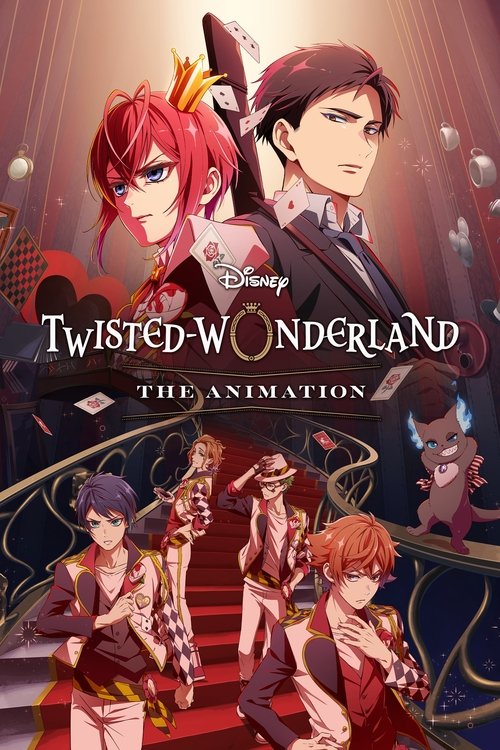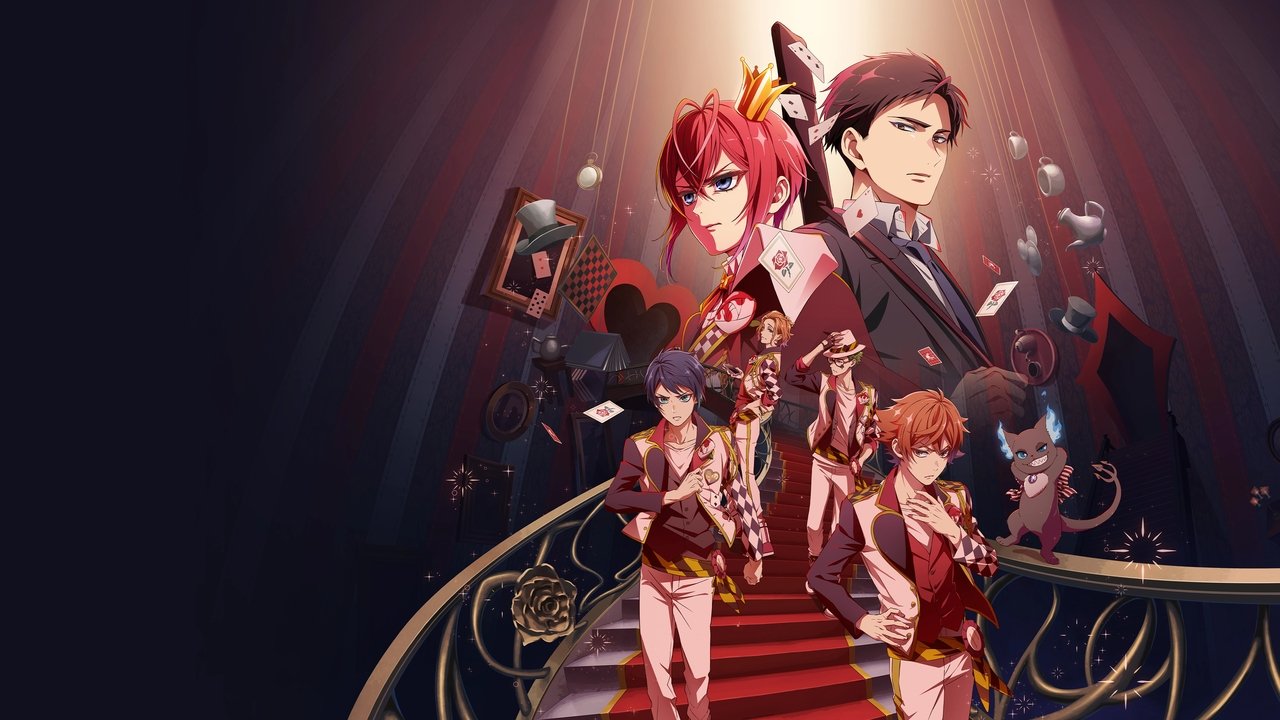
The Villainy of High SchoolThe basic pitch for *Disney Twisted-Wonderland: The Animation* is almost too silly to process straight-faced. Take Disney’s most recognizable villains—the Queen of Hearts, Scar, Maleficent—run them through the aesthetics of a Japanese magical-school anime, and somehow expect that to cohere. On paper it sounds like branded delirium, maybe even a merchandising plan that got out of hand. And yet the first season, "Episode of Heartslabyul," won me over pretty quickly. The show commits so fully to its own operatic goth energy that resistance starts to feel beside the point. At some stage you either surrender to the melodrama or sit outside complaining. I surrendered.

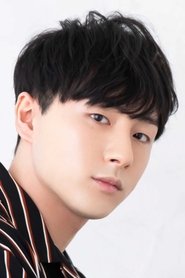
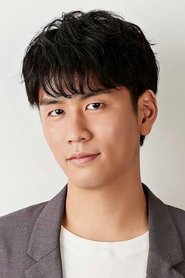
One smart move is giving all this lore a grounded center. Yuken Enma, voiced by Yohei Azakami with a wonderfully worn-down edge, isn’t some hidden prodigy or magical heir. He’s a Tokyo high school kendo vice-captain who gets yanked through a mirror and dumped at Night Raven College with no useful preparation. He can’t do magic. He has no investment in the school’s worship of the "Great Seven." He’s surrounded by gorgeous disasters and spends much of the season radiating one clear thought: how do I get back home? The show often frames him low among the school’s taller, stranger students, which quietly underlines how physically outmatched and human he is in a place built on fairy-tale logic.

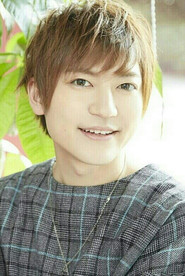
What keeps the whole thing from floating away is the visual design. Yana Toboso’s original character work, already distinct in the game, comes to the screen through Yumeta Company and Graphinica with loving precision. The palette is soaked in royal purple, crimson, and black. When Riddle Rosehearts (Natsuki Hanae) finally snaps in the first season, the sequence doesn’t just tell us he’s angry. The world around him seems to buckle under it, and the reds in his design spread across the frame like a stain as the Queen of Hearts influence pushes through. It’s a lovely, nasty piece of visual storytelling—much more vivid than a generic anime outburst would have been.

It isn’t flawless. You can hear the mobile-game scaffolding creak if you listen for it. Now and then the plot stalls out so Yuken, Ace, and Deuce can handle errands that feel suspiciously close to tutorial missions. Grim, the chaotic cat-monster tagging along at Yuken’s side, also spends a fair amount of time right on the border between funny and deeply annoying before his slapstick finally starts to win you over. (That one will probably come down to your personal mascot tolerance.) Still, the show’s emotional center holds. *Twisted-Wonderland* gets that adolescence already feels theatrical, unstable, and occasionally villainous from the inside. By turning those feelings into literal magical eruptions, it finds something unexpectedly sincere inside all the corporate crossover machinery. I have no idea yet what the next two confirmed seasons will really do with that, but I’m in.