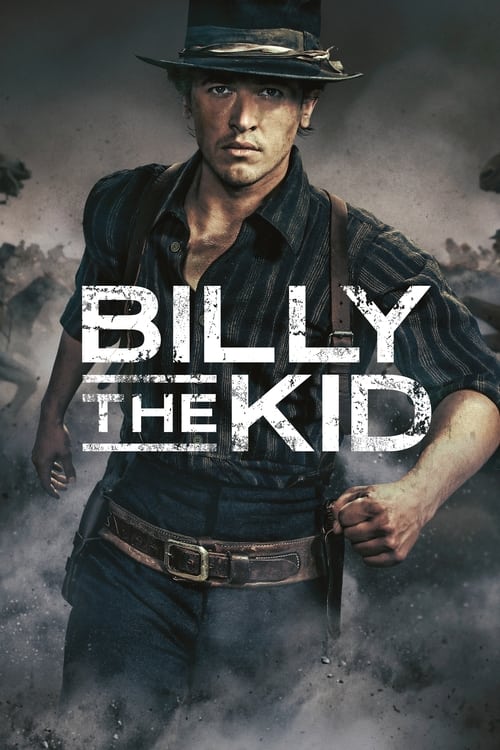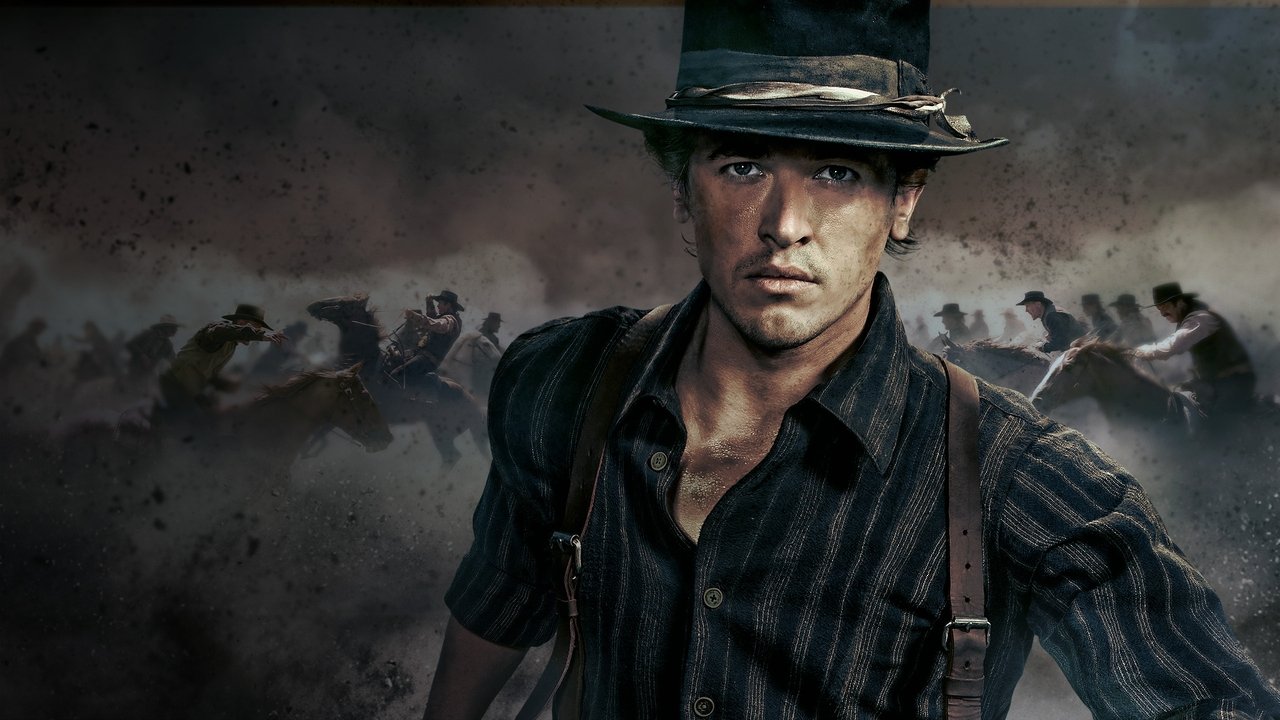

Billy the Kid backdrop
Billy the Kid poster

Billy the Kid

7.5
2022
3 Seasons • 24 Episodes
WesternDrama

Overview

An epic romantic adventure series based on the life of famous American outlaw Billy the Kid — from his humble Irish roots, to his early days as a cowboy and gunslinger in the American frontier, to his pivotal role in the Lincoln County War and beyond.

Sponsored

Trailer

Season 1 Trailer

Cast

Reviews

AI-generated review
The Outlaw as an Immigrant Ghost

William H. Bonney has been filmed so often he feels like permanent property of the American imagination. The 2022 MGM+ series *Billy the Kid* doesn't try to beat earlier versions at their own game by adding more bullets or more swagger. Michael Hirst goes in a quieter, stranger direction, slowing the myth until it starts to creak and asking what remains if Billy is neither folk hero nor born sociopath, but a wounded kid cornered into one awful decision after another. As history, I still have my doubts. As a haunted mood piece, though, it really got under my skin.

A dusty frontier town

There is real heft in the way the series is photographed. Hirst, coming off the broad historical melodrama of *Vikings*, swaps muddy European battlefields for western spaces so wide they start to feel hostile. The camera keeps coming back to splintered wood, worn leather, sweat-darkened fabric, as if the show wants the legend pinned to the dirt. And when violence does break out, it never plays like triumph. It feels awkward. Ugly. Human. In an early shootout, the frame ignores the bullet entirely and stays on the shooter's trembling hands. You hear the rifle crack, and then you watch the body absorb what it has just done.

Riders crossing the plains

Tom Blyth is doing most of the heavy lifting here, and he does it with his whole body. (A lot of viewers will know him as the icily controlled young Coriolanus Snow from the recent *Hunger Games* prequel.) Here, all that precision has been stripped away. His Billy feels painfully open to harm. He carries himself with a slight stoop, his lanky frame folding inward as if he is always trying to make himself less visible. It is an unusually physical performance. Put him beside Jesse Evans—Daniel Webber plays him with twitchy, feral magnetism—and you can see Billy almost tilt toward him, starving for the protection he has never had.

A tense standoff

That romanticized approach has split critics, and I understand why. On his Substack, Jason Colavito pointed out that the series shapes Billy around "young male archetypes pioneered by James Dean," and in doing so risks glamorizing "adolescent male violence." That's a fair criticism. The writing works very hard to keep Billy the most sympathetic person in every room, nudging him toward victimhood instead of letting him fully own the chaos he leaves behind. And now and then the dialogue explains emotions Blyth is already making plain with his face.

Still, I got pulled in by the sadness of it. This is not a western about the thrill of the quick draw. It is about an Irish immigrant family arriving in a promised land and discovering a grinder instead. By the time Billy picks up his revolvers and enters the Lincoln County War, he doesn't look like a myth stepping into destiny. He looks like an exhausted boy who has finally understood that the world is never going to stop coming for him. Maybe that isn't the truest account of William Bonney. As a portrait of frontier disappointment, though, it lands hard.