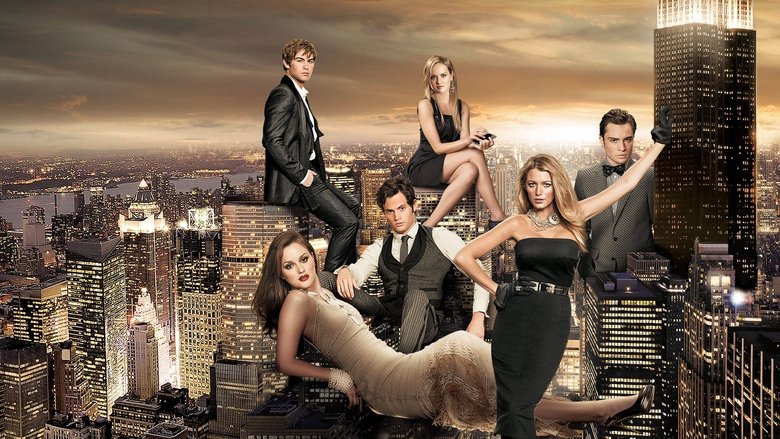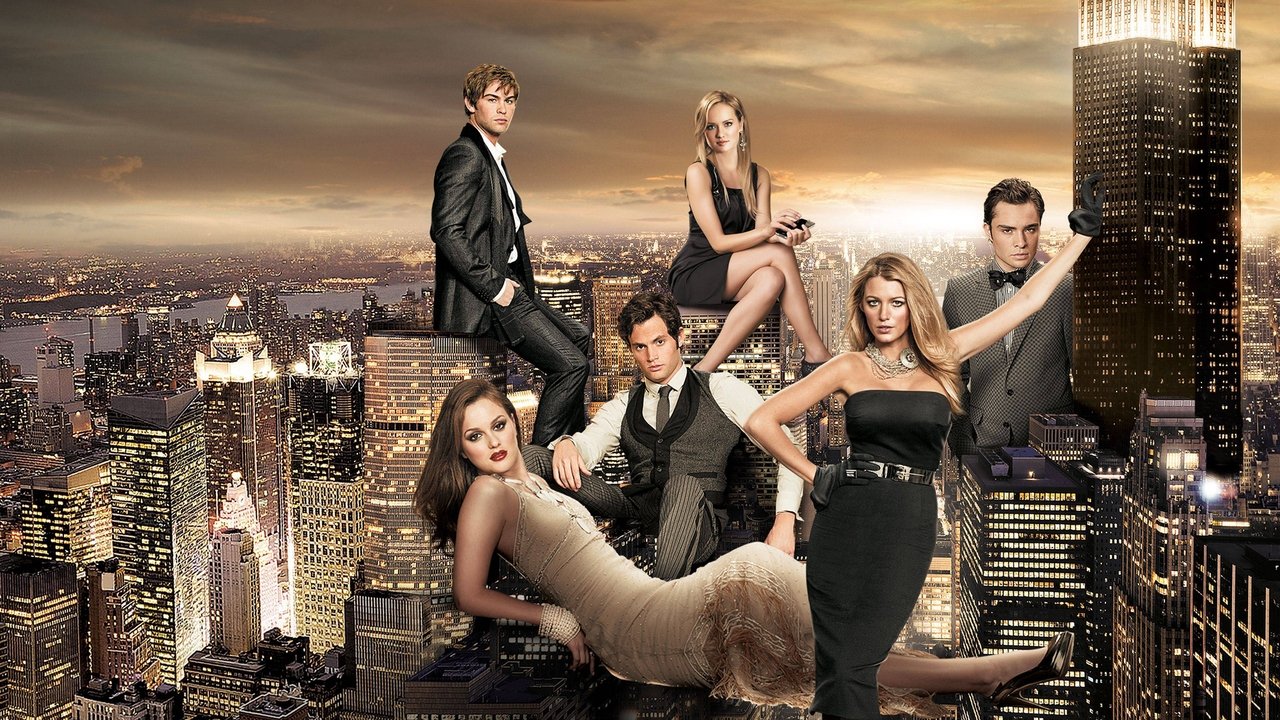
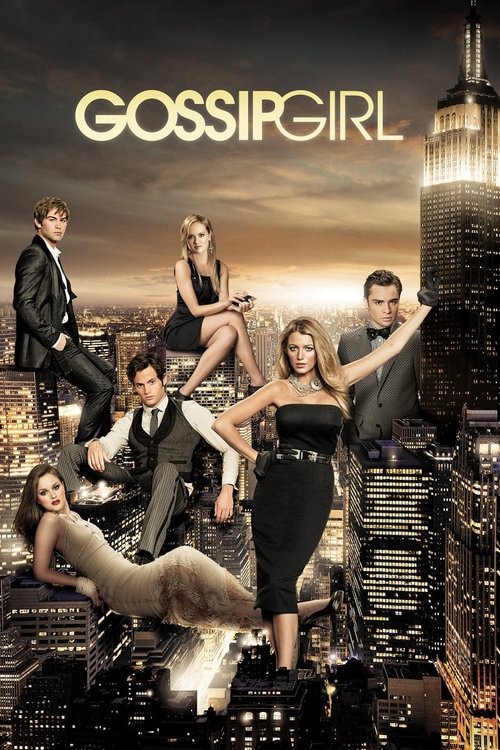
The Empire of WhispersIn the fall of 2007, the world economy was quietly inching toward disaster. If you were watching The CW, though, you could be forgiven for missing that entirely. Onscreen were teenagers in five-thousand-dollar uniforms, drinking martinis at the Palace Hotel as if money were weather and ruin happened to other people. Josh Schwartz and Stephanie Savage’s *Gossip Girl* showed up right on the edge of the Great Recession, which may be part of why it was impossible to stop watching. As *The Guardian* aptly noted in a retrospective, the show worked as "a glamorous, Recession-era fantasy in which everyone hooks up with everyone in a popularity war mediated by an anonymous blogger."

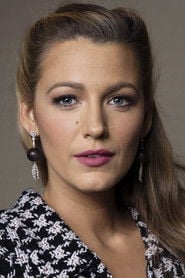
Schwartz and Savage had already charted the sun-soaked misery of rich California kids in *The O.C.*, but New York needed a colder blade. *Gossip Girl* shoots the Upper East Side in honeyed autumn light, making it look less like a city than a velvet jewelry case. The pilot understands this immediately. Serena van der Woodsen (Blake Lively) steps into Grand Central like a myth descending from a train platform, all glow and effortless damage. The camera tracks her from below, turning an ordinary high school arrival into a coronation. From that first scene, the show's rules are clear: entrances are runway walks, secrets are ammunition, and every cell phone alert sounds like a fuse burning down.

If Serena is the dream the show sells, Blair Waldorf is the thing that gives it a pulse. I'm still a little in awe of what Leighton Meester pulls off here. Meester, who famously dyed her hair brunette just to get the role, plays Blair as somebody holding herself upright through sheer force of will. She perches in limos and on the Met steps like royalty expecting the coup any minute now. Watch her jaw clamp down, or the way her eyes flick the instant Serena starts pulling focus without even trying. Meester isn't just playing envy. She's playing what perfectionism does to a body over time. She took a pampered Manhattan tyrant and turned her into a tragic figure, which is not easy.

I won't pretend the show keeps its footing forever. By season four, the plotting starts tying itself into knots. Characters grow, regress, and reset whenever the writers need a fresh scandal, like an Etch A Sketch being shaken clean. And yes, the eventual reveal of Gossip Girl’s identity in the finale makes basically no sense if you put the timeline under a lamp. (Really, don't do that to yourself.) But airtight storytelling was never the point. The point was nerve. When conservative critics like the *New York Post* recoiled and branded the early episodes a "nasty piece of work," the network slapped those words onto the promo posters. They understood the assignment better than anyone.
*Gossip Girl* was never prestige TV, and it didn't care to be. It was a polished, poisonous little mirror for the country's obsession with class, money, and the cruelty people perform when they think no one is watching—or when they know everybody is. It leaves behind a faint grime, a lot of pleasure, and a weird nostalgia for the days when the scariest digital disaster in your life was a flip phone in the wrong pocket.