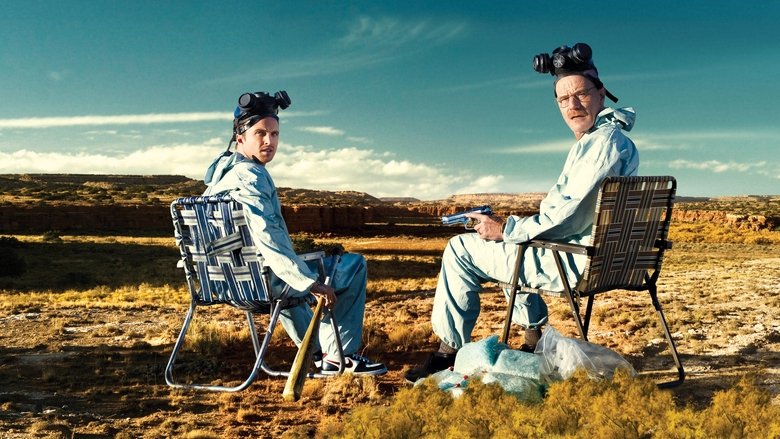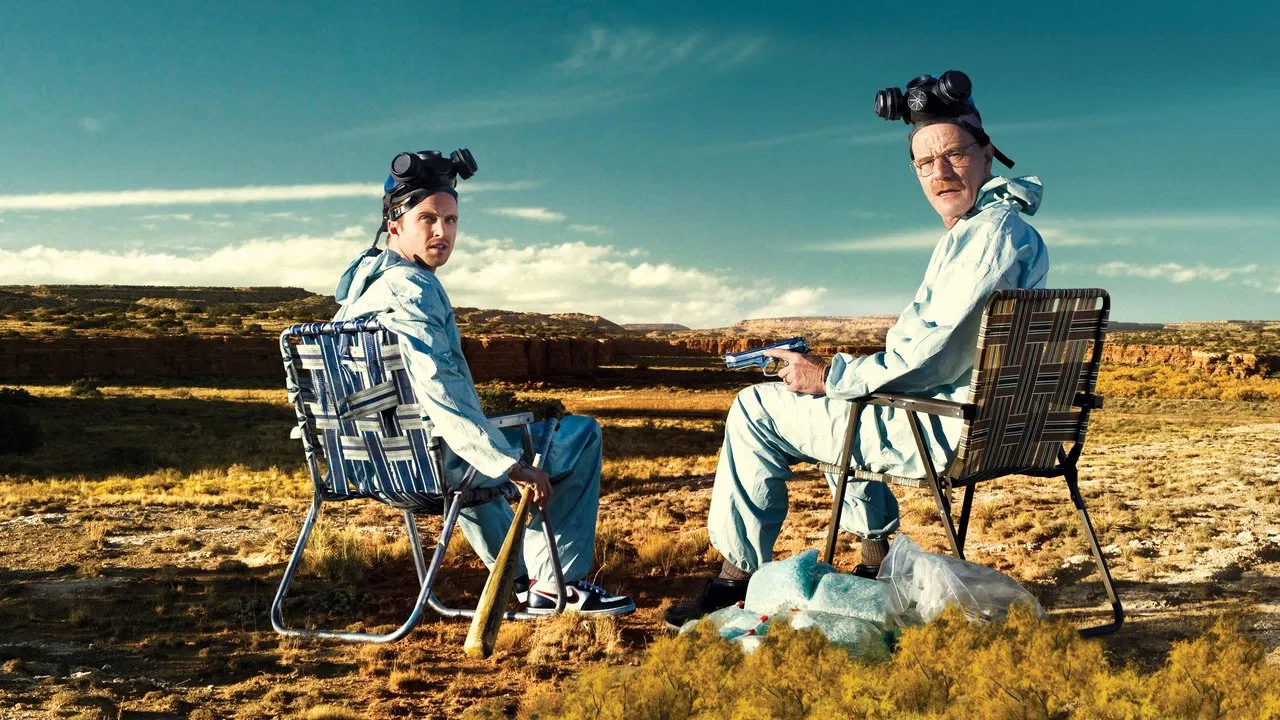
The Science of RotThere’s a very American kind of misery that lives in beige rooms and under humming fluorescent lights. *Breaking Bad* clocks it immediately. When Walter White appears in that 2008 pilot, he is not yet a criminal mastermind or cultural icon. He’s a fifty-year-old chemistry teacher in tighty-whities, stranded in the New Mexico desert with a gun and a face full of panic. He looks like someone who has spent his whole life apologizing for existing too loudly.

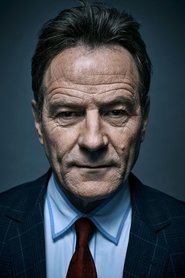
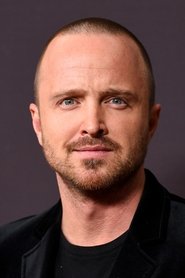
Given what the show became, it’s easy to forget how strange Bryan Cranston’s casting seemed back then. To most people he was still Hal from *Malcolm in the Middle*, a bundle of slapstick dad energy. Vince Gilligan, who’d seen something darker in Cranston during *The X-Files*, uses that familiarity like a trapdoor. Early Walt is all collapsed posture and dragging feet, a man whose bones seem tired of him. Then the cancer diagnosis cracks something open and "Heisenberg" starts taking shape. Cranston changes from the body outward: the spine straightens, the gestures harden, the whole man becomes deliberate in a way that feels almost cold-blooded. Aaron Paul gives him the perfect opposite in Jesse Pinkman. Gilligan famously meant to kill Jesse in season one, but the anxious, volatile energy between Paul and Cranston made that impossible. Paul starts Jesse as pure nervous motion and then slowly bleeds that motion away. By the end, he looks shrunken by the damage, folding in on himself like a kid crushed under someone else’s ego.

The show doesn’t land every punch. It has a taste for pulpy overstatement that can tip into self-consciousness. Those mute, silver-suited cartel cousins in season three feel like they wandered in from a less interesting crime saga, and I’ve never fully bought the giant plane collision capping season two as anything but writerly machinery. But when *Breaking Bad* narrows back down to the suffocating consequences of personal choice, almost nothing else comes close.
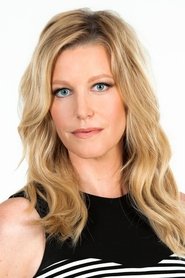
The clearest example might still be "Crawl Space." Walt learns that the money he needs to escape a cartel death sentence is gone because Skyler—Anna Gunn, magnificently tight with tension and so unfairly demonized by viewers for being the one grown-up in the room—gave it away. He scrambles under the house, tears through the stacks, understands he’s trapped, and something inside him breaks. The laugh that comes out is awful: high, raw, turning into a full animal scream as the camera pulls straight up. The floorboards start to look like the sides of a coffin. It’s one of the sharpest visualizations of self-made doom I can think of. Emily Nussbaum in *The New Yorker* caught the show’s central cruelty when she described it as tracking "the transformation of a milquetoast into a megalomaniac."

That’s why the tragedy of *Breaking Bad* never feels like a simple corruption story to me. The cancer doesn’t create a different Walter White; it strips away the excuses. The pride, the bitterness, the hunger to dominate—those were always there. The lie, to himself and to everyone else, is that he’s doing it for the family. The horror is how long he gets away with that story before finally admitting the truth: he liked it.